









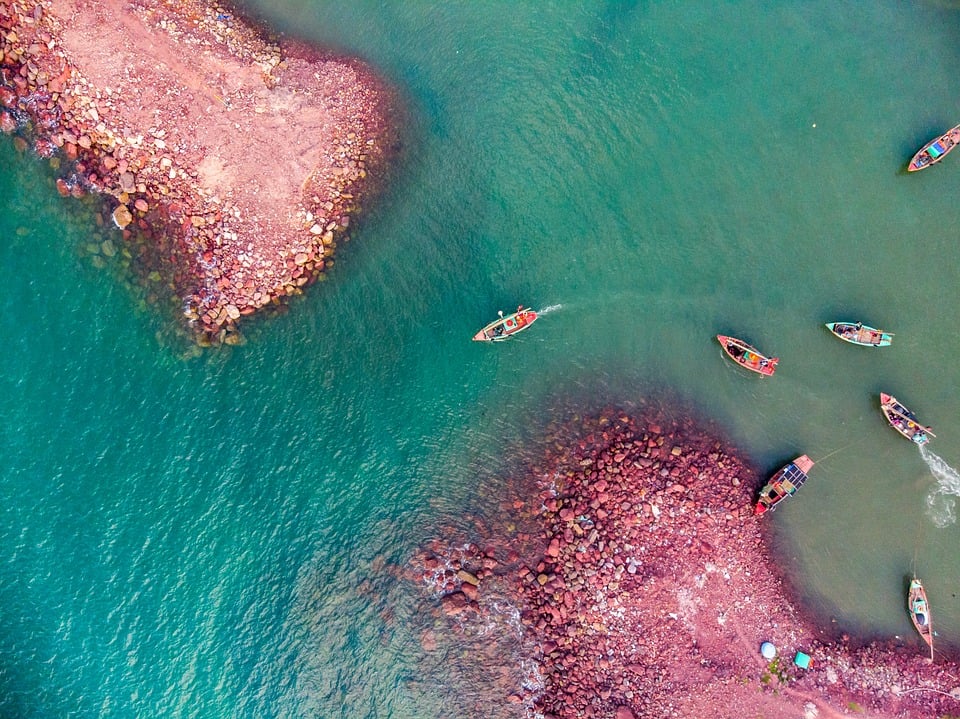
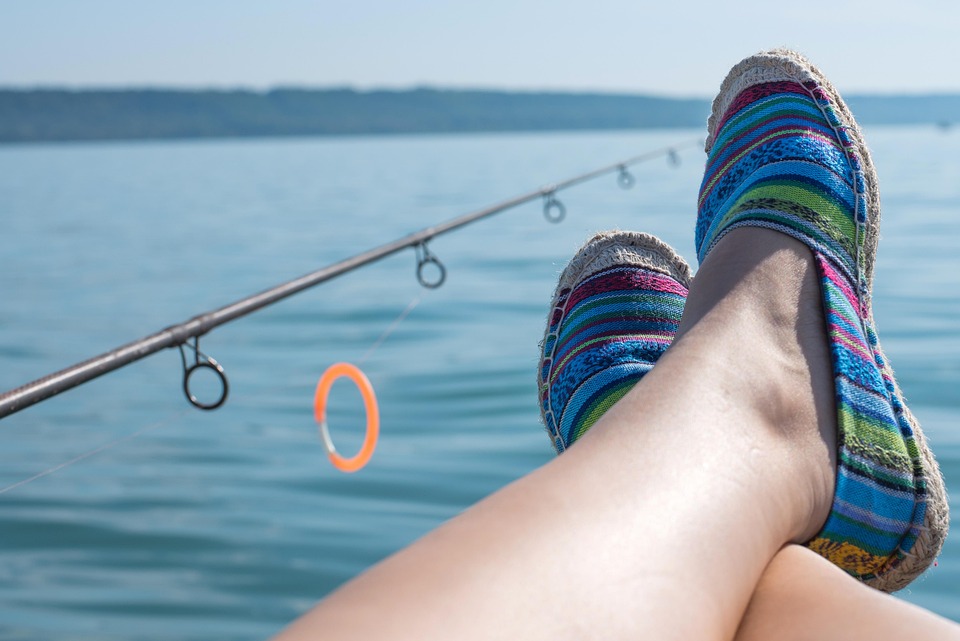


Fishing has been a beloved pastime for centuries, transcending generations and cultures. While many enthusiasts have their own set of traditional tricks, the art of fishing can always be improved with a few handy tips. Whether you’re a seasoned angler or just starting out, these ten essential fishing tricks can enhance your experience on the water.
1. Understand Your Fishing Environment
Before you cast your line, take some time to learn about the body of water you’re fishing in. Different species of fish inhabit diverse environments, from freshwater lakes to saltwater coasts. This includes understanding:
- Water Temperature: Many fish species are temperature-sensitive. Warmer waters are perfect for breed while cooler temps can lead to fish seeking deeper waters.
- Weather Conditions: Fish are more active during certain weather patterns. Overcast days are often best for fishing, as fish tend to feed more actively.
- Current Flow: In rivers, understanding the current can help you identify where fish are gathering.
2. Choose the Right Tackle
Your choice of fishing tackle can make or break your fishing trip. Understanding the components can aid in making the right selection:
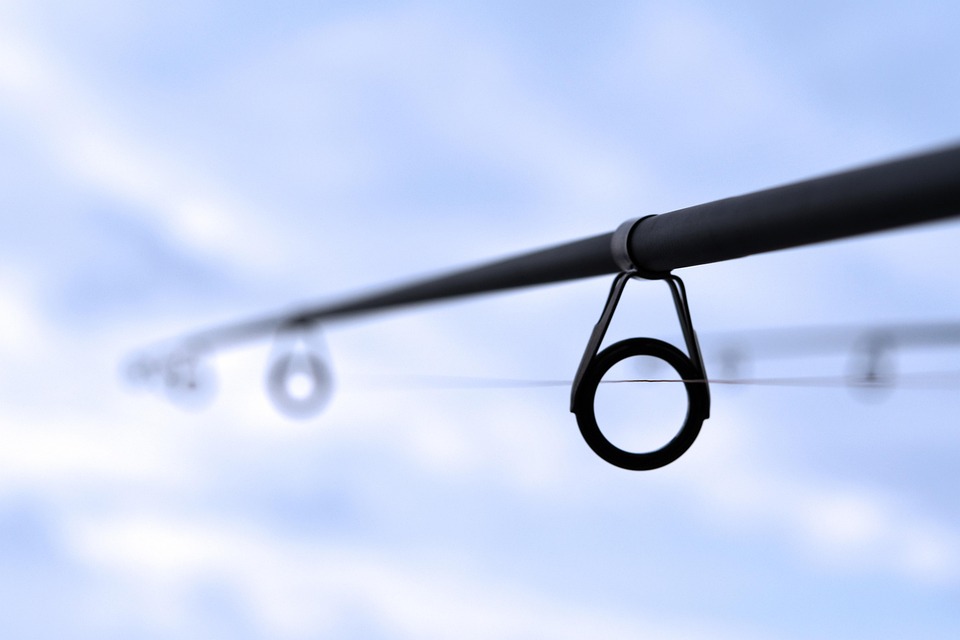
- Rods: Shorter rods offer more control, while longer rods can cast further distances.
- Reels: Spinning reels are versatile, while baitcasting reels offer more torque for heavy lures.
- Lines: Braided lines provide strength, while monofilament offers stretch, which can prevent breakage.
3. Master Knot Tying
Knot tying is an essential skill every angler should master. A strong knot ensures that your bait or hook stays secure:
- Palomar Knot: Ideal for securing hooks, this knot is simple and effective.
- Improved Clinch Knot: Another reliable knot that works well for connecting line to hooks or lures.
- Loop Knot: Best for lures that require freedom of movement, such as spinners or spoons.
4. Use the Right Bait
The type of bait you use can be critical to your success:
- Live Bait: Worms, minnows, and leeches can attract a wide variety of fish.
- Artificial Lures: Experimenting with different colors and actions can often entice fish that are not reacting to live bait.
- Seasonal Bait: Fish tend to prefer certain types of bait based on the season. Research what’s most effective during your fishing trip.
5. Time Your Fishing Trips
Timing can significantly influence your catch rate. Consider fishing during:
- Early Mornings and Late Evenings: These times are known as the “golden hours.” Fish are typically more active and more likely to bite.
- Pre-Storm Weather: Fish often feed actively before a storm, making this a prime time for fishing.
- Seasonal Patterns: During spring and fall, fish are more active due to spawning seasons.
6. Learn How to Read the Water
Understanding the water can give you insight into where fish are hiding:
- Structure: Look for underwater structures like rocks, fallen trees, and vegetation where fish could find cover.
- Color Changes: Different shades in the water can indicate depth changes and areas where fish might be lurking.
- Bubbles and Movement: Observing bubbles or disturbances can indicate the presence of fish or food sources entering the ecosystem.
7. Patience, Persistence, and Stealth
Fishing isn’t just about technique; it also requires a good dose of patience and the ability to remain stealthy:
- Stay Quiet: Sudden movements or loud noises can scare fish away. Approach your fishing spot slowly and quietly.
- Don’t Rush: If fishing is slow, don’t be tempted to keep moving. Sometimes, a better catch may just take time to come around.
- Be Adaptable: If a particular method isn’t working, don’t hesitate to try something different.
8. Optimize Your Casting Technique
Effective casting can help you reach fish that are farther away. Here are some tips:
- Backcasting: Master the technique of backcasting for increased distance and accuracy.
- Follow Through: A good follow-through ensures your lure lands in the desired spot without splashing.
- Practice: Spend time practicing on open land to perfect your casting technique without the need for fishing.
9. Maintain Your Gear
Taking care of your equipment can ensure optimal performance:
- Clean Your Rods and Reels: Regular cleaning can prevent corrosion and mechanical issues.
- Inspect Fishing Lines: Regularly check for nicks and frays to avoid breakage.
- Lubricate Your Reels: Proper lubrication can significantly extend the life of your reels.
10. Educate Yourself
The fishing world is constantly evolving; ensure you’re up to date with new techniques, gear, and regulations:
- Attend Workshops: Many local fly shops or fishing clubs offer workshops that can improve your skills.
- Read and Research: Books, magazines, and online forums are all great resources for learning the latest fishing tips and tricks.
- Network: Connecting with other anglers can provide valuable insights and experiences.
Conclusion
Fishing is an art that combines patience, knowledge, and skill. By incorporating these ten essential fishing tricks into your repertoire, you’re not just increasing the likelihood of a successful catch but also enriching your overall fishing experience. Remember, the journey is as rewarding as the destination; enjoy the serenity of nature, the thrill of the catch, and the camaraderie shared with fellow anglers. So whether you find yourself on the banks of a peaceful lake or out in the ocean’s vastness, these tips will help you cast your line with confidence.
FAQs
1. What is the best time of year to go fishing?
The best time typically depends on the species you’re targeting, but generally, spring and early summer are excellent for many freshwater species, while fall can be prime for saltwater fishing.
2. How do I choose the right reel for beginners?
For beginners, a spinning reel is usually the best option due to its ease of use and versatility. They allow for better control with lighter lures and lines.
3. What kind of bait works best for freshwater fishing?
Live baits like worms, minnows, and crickets are excellent choices. Artificial lures in various colors and sizes can also be effective, depending on the fish species.
4. Can I fish from shore, or do I need a boat?
You can absolutely fish from shore! Many successful anglers catch plenty from the banks of rivers and lakes without needing a boat.
5. How can I improve my casting accuracy?
Practice is critical for improving casting accuracy. Aim at specific targets and gradually increase your distance. Watching your technique and ensuring a good follow-through can also enhance accuracy.
- fishing bait tips
- fishing gear hacks
- fishing hacks
- fishing knot guides
- fishing knot techniques
- fishing knot tying
- fishing knots
- fishing knots for advanced
- fishing knots for beginners
- fishing leader knots
- fishing line knots
- fishing loop knots
- fishing lure tips
- fishing rig guides
- fishing rig hacks
- fishing rig setups
- fishing rig tips
- fishing rig tricks
- fishing rigs
- fishing strategies
- fishing techniques
- fishing tips
- fishing tips and tricks
- fishing tips for beginners
- fishing tips for experts
- fishing tips for freshwater
- fishing tips for saltwater
- fishing tips online
- fishing tricks
- fishing tricks for better catch











Leave a comment