













When it comes to fishing, success often hinges on a seemingly simple yet critical element: the knot. An effective fishing knot is essential for securing tackle, rigging baits, and connecting lines, and in many instances, the right knot can mean the difference between reeling in a trophy catch or losing it altogether. With countless types of knots available, understanding which knot suits each fishing situation is crucial.
Why Knots Matter
Fishing knots are not just about tying two lines together; they play a key role in the overall functionality and efficiency of your fishing setup. A poorly tied knot can slip, break, or fail under pressure, leading to lost gear or, worse, a lost catch. Different knots serve various purposes, offering unique advantages depending on your fishing style, line type, and conditions.
The Essential Fishing Knots
1. The Improved Clinch Knot
The Improved Clinch Knot is a favorite among anglers for its simplicity and reliability. It is commonly used to tie a fishing line to the hook, swivel, or lure. It creates a secure hold and minimizes slippage.
- Strength: High.
- Best For: Bait and lure attachments.
How to Tie: Run the line through the hook eye, wrap it around itself for five to seven turns, thread the end through the loop above the eye, then pull the main line to tighten.
2. The Palomar Knot
Renowned for its strength and ease of tying, the Palomar Knot is suitable for various applications. It’s ideal for securing a lure or hook, especially with braided lines.
- Strength: Very high.
- Best For: Braided lines and heavy lures.
How to Tie: Double the line and pass it through the hook eye, tie an overhand knot, and then pass the hook through the loop before tightening.
3. The Loop Knot
Creating a fixed loop at the end of your line, the Loop Knot allows lures to move freely and creates a more natural presentation, which is particularly effective when fishing in clear waters.
- Strength: Moderate to high.
- Best For: Using with jigs and spinners.
How to Tie: Form a loop, wrap the tail back through the loop, make several turns around the standing line, and then pass the tail back through the loop.
4. The Uni Knot
The Uni Knot is incredibly versatile, ideal for connecting lines of different diameters or tying two lines together. Its unique structure allows it to glide smoothly through guides, making it particularly effective for fishing.
- Strength: High.
- Best For: Connecting lines and tying hooks.
How to Tie: Loop the line back on itself, make several turns around the main line, and pull tight.
5. The Bimini Twist
The Bimini Twist is favored by deep-sea anglers for its ability to create a double line and is especially effective for high-strain situations. This knot enhances overall strength and offers greater shock absorption.
- Strength: Extremely high.
- Best For: Heavy fishing and offshore excursions.
How to Tie: Form a loop in the line, making several twists, and secure with a knot before trimming the ends.
Specific Situations and Knots
Freshwater Fishing Knots
In freshwater environments, where your target species vary widely from bass to trout, the right knots can lead you to success.
The Palomar and Improved Clinch knots are highly effective choices due to their reliability and strength. The Loop Knot also allows for a more dynamic presentation, ideal for fragile bait setups.
Saltwater Fishing Knots
When fishing in saltwater, you have to deal with stronger currents and bigger fish. Consequently, knots like the Bimini Twist and Uni Knot become essential due to their durability and strength.
Fly Fishing Knots
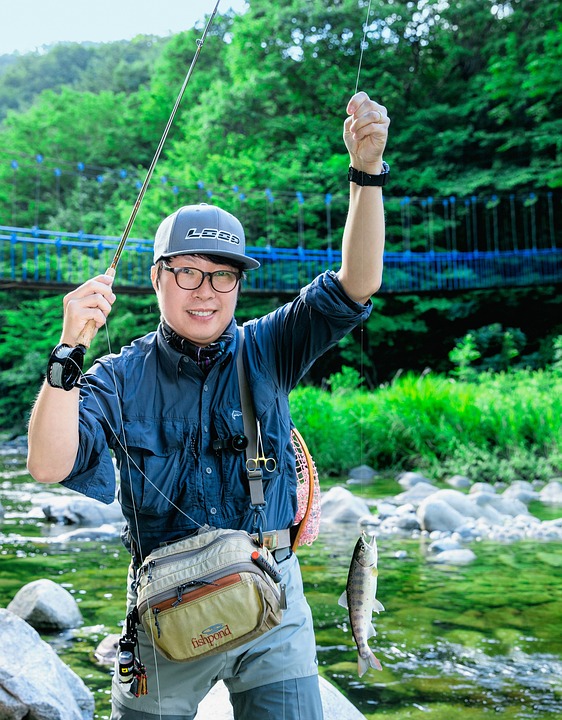
Fly fishing requires specialized knots. The Nail Knot is frequently used to connect the backing line to the fly line, while the Perfection Loop is great for creating a loop at the end of your tippet.
Conclusion
Mastering a variety of fishing knots is crucial for any angler looking to enhance their fishing game. Understanding the unique advantages and applications of each knot allows you to adapt to various situations—whether you’re fishing in freshwater, saltwater, or using specialized techniques like fly fishing. As with any skill, practice is key. Spend time perfecting your knot-tying technique, and you’ll build confidence in your ability to secure your catch reliably. Choosing the right knot can be the difference between failure and success on the water, so always select wisely!
FAQs
Why are fishing knots important?
Fishing knots are vital because they secure your line, tackle, and bait, ensuring that you can land the fish you target without losing gear.
How can I ensure my knots are strong?
Practice tying knots consistently and wet them before tightening. This helps improve the knot’s integrity and strength.
What is the easiest fishing knot for beginners?
The Improved Clinch Knot is often considered one of the easiest and most reliable knots to learn for beginners.
Can I use the same knot for different types of fishing?
While some knots are versatile, it’s important to choose specific knots suited for your target species and fishing environment for the best results.
How do I know if my knot is tied correctly?
A correctly tied knot should hold firm without slipping or breaking under tension. Always test your knots before using them in a fishing environment.
- fishing bait tips
- fishing gear hacks
- fishing hacks
- fishing knot guides
- fishing knot techniques
- fishing knot tying
- fishing knots
- fishing knots for advanced
- fishing knots for beginners
- fishing leader knots
- fishing line knots
- fishing loop knots
- fishing lure tips
- fishing rig guides
- fishing rig hacks
- fishing rig setups
- fishing rig tips
- fishing rig tricks
- fishing rigs
- fishing strategies
- fishing techniques
- fishing tips
- fishing tips and tricks
- fishing tips for beginners
- fishing tips for experts
- fishing tips for freshwater
- fishing tips for saltwater
- fishing tips online
- fishing tricks
- fishing tricks for better catch











Leave a comment