











Trout fishing is not just a pastime; it’s an engaging encounter with nature that can instill lifelong skills and memories. Whether you are eyeing a serene mountain lake or a flowing river, fishing for trout can be one of the most rewarding outdoor activities. However, as a new angler, diving into the world of trout fishing may seem overwhelming. This guide aims to simplify that experience, offering essential tips to help you start on the right foot.
Understanding Trout Species
Before you can effectively fish for trout, it’s crucial to understand the different species available:
- Rainbow Trout: Often found in rivers and lakes, they are hardy and adaptable.
- Brown Trout: Known for their wariness and elusive nature, these fish require a bit more skill to catch.
- Brook Trout: Typically inhabit cooler, clear water. They are native to North America and are smaller than their cousins.
- Lake Trout: These fish prefer deeper, colder waters and are often targeted in large lakes.
Equipment Essentials
Your success in trout fishing will heavily depend on your gear. Here’s a basic rundown of what you’ll need:
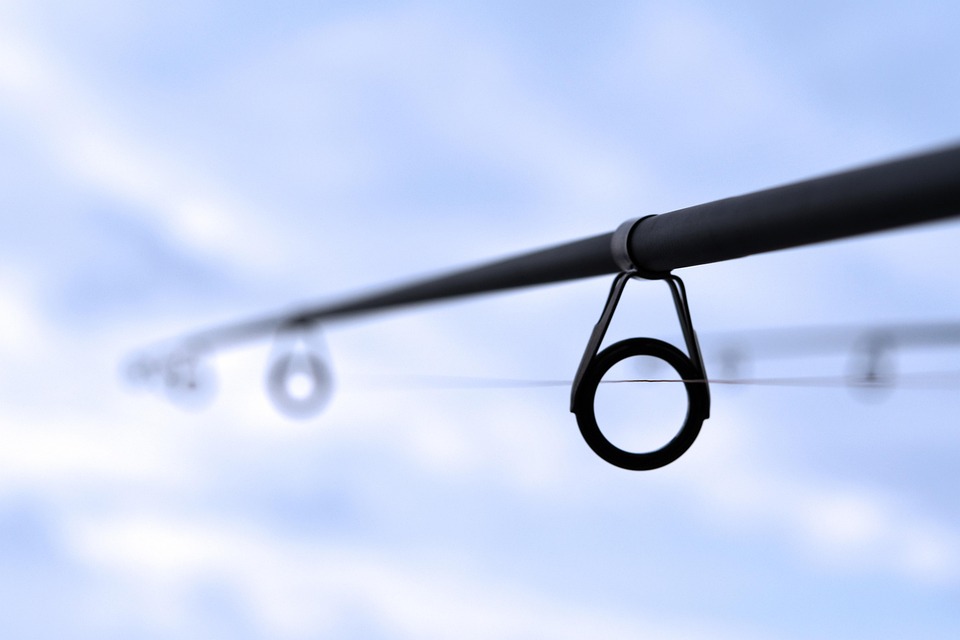
- Fishing Rod and Reel: A light to medium-action rod about 6 to 7 feet long is ideal for trout. Pair it with a spinning or baitcasting reel that feels comfortable in your hand.
- Line: 4 to 8-pound test monofilament line is generally effective for trout fishing.
- Bait and Lures: Trout can be caught using various baits, including:
- Worms
- PowerBait
- Spinners
- Flies (if fly fishing is your choice)
- Fishing Tackle Box: Keep your gear organized and accessible.
Choosing Your Fishing Location
Finding the right spot is pivotal. Trout prefer specific habitats:
- Look for cool, clear water with plenty of cover like rocks, logs, or overhanging vegetation.
- Streams and rivers with a gentle current often provide excellent opportunities.
- Consider lakes with accessible shorelines or boat launches.
Time and Seasonality
As new anglers, understanding when to fish can increase your chances of success significantly:
- Seasons: Spring and fall are often the best times to fish for trout as they are more active and near the surface.
- Time of Day: Early mornings and late afternoons are prime times. Trout are more likely to be feeding during these hours.
Trout Fishing Techniques
Now that you have your equipment and knowledge of locations, let’s delve into some effective fishing techniques.
1. Basic Spin Fishing
If you are using spinning gear:
- Focus on casting upstream and letting the current carry your bait downstream naturally.
- Vary your retrieve speed. Sometimes a slow, steady retrieve works wonders, while at other times, a fast retrieve can trigger strikes.
2. Fly Fishing
For those interested in fly fishing:
- Make sure to choose the right flies. Dry flies are excellent for surface feeding trout, while nymphs are better for those lurking beneath.
- Practice your casting to ensure control and distance.
3. Bait Fishing
If you opt for bait fishing:
- Using natural baits like worms, position them at varying depths where you suspect fish might be.
- Use a bobber to help you determine when you have a bite.
Conservation and Ethics
As new anglers, it’s vital to understand your responsibility as stewards of the environment:
- Always follow local fishing regulations, including size limits and catch-and-release rules.
- Practice responsible fishing by using barbless hooks to reduce fish injury.
- Leave your fishing spot cleaner than how you found it; pack out all trash and gear.
Conclusion
Trout fishing represents a unique blend of skill, patience, and appreciation for nature. As you embark on this journey as a new angler, remember that mastery takes time. Learn from each fishing excursion you undertake, and, most importantly, enjoy the peaceful surroundings that come with being near water. With these tips in hand, you’re well on your way to having successful and rewarding trout fishing experiences ahead.
FAQs
1. What is the best bait for trout?
The best bait can depend on the conditions, but common options include worms, PowerBait, and small minnows. Experiment to see what works best in your chosen location.
2. Do I need a fishing license to fish for trout?
Yes, most states require an angler to have a valid fishing license. Check your local regulations for specific requirements.
3. What time of year is best for trout fishing?
Spring and fall are generally considered the best seasons for trout fishing, as fish are more active during these times.
4. How can I increase my chances of catching trout?
Understand their habits, choose the right location, use proper techniques, and be patient. Fishing during optimal times of day and conditions can also increase your chances.
5. Is it better to fish in rivers or lakes for trout?
It depends on personal preference and local conditions. Both rivers and lakes can be productive, so it’s worth trying both to see where you are more successful.
- beginner bass fishing
- beginner carp fishing
- beginner catfish fishing
- beginner fishing advice
- beginner fishing baits
- beginner fishing gear
- beginner fishing guides
- beginner fishing guides online
- beginner fishing knots
- beginner fishing lures
- beginner fishing mistakes
- beginner fishing reels
- beginner fishing rods
- beginner fishing strategies
- beginner fishing techniques
- beginner fishing tips
- beginner fishing trips
- beginner fishing tutorials
- beginner fishing videos
- beginner fly fishing
- beginner freshwater fishing
- beginner muskie fishing
- beginner panfish fishing
- beginner pike fishing
- beginner saltwater fishing
- beginner trout fishing
- fishing basics
- fishing for beginners
- how to fish
- new anglers tips








Leave a comment