









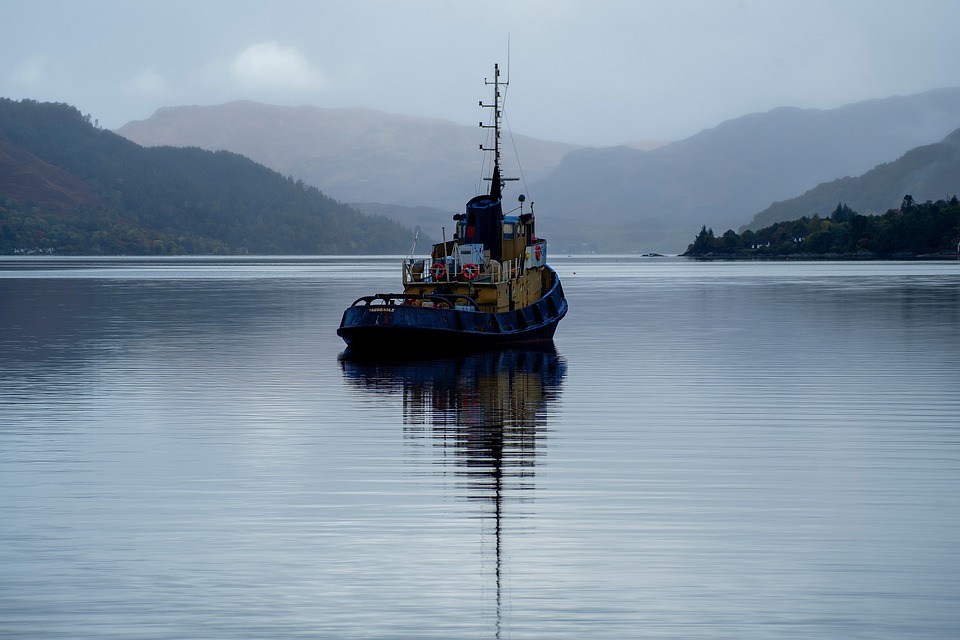








Predator fishing, as the name suggests, focuses on targeting predatory fish species that inhabit various freshwater and saltwater ecosystems. For many anglers, this form of fishing is as much about the thrill of the chase as it is about the catch. From the explosive strikes of a large bass to the powerful runs of a formidable pike, predator fishing leaves a lasting impression on every enthusiast. This article delves into key techniques, strategies, and tips to help you master predator fishing, ensuring that your adventures in pursuit of these apex hunters are both enjoyable and successful.
Understanding Predator Fish
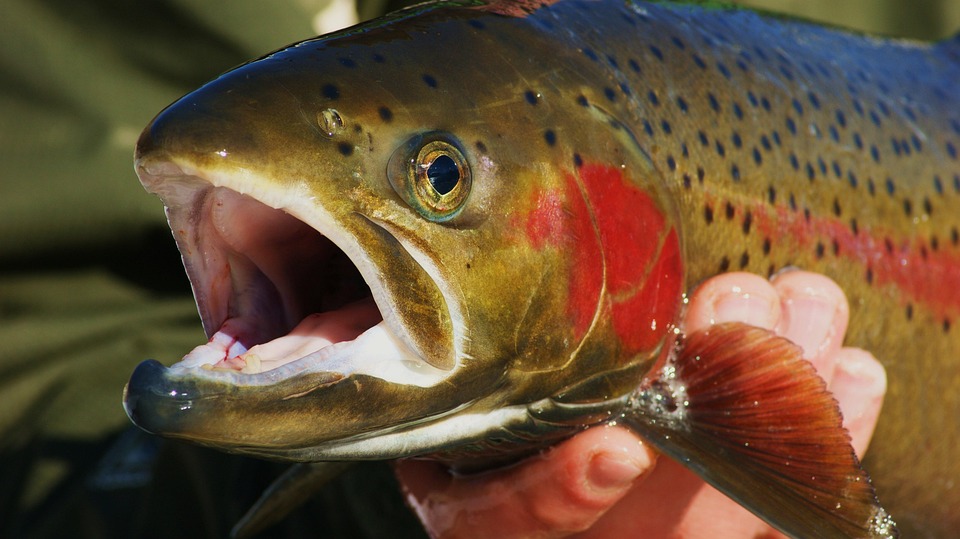
Before diving into techniques, it’s essential to understand what makes predator fish unique. Predatory fish, such as bass, pike, muskie, and walleye, are distinguished by their strong hunting instincts, sharp teeth, and aggressive feeding behaviors. They occupy the top tier of the aquatic food chain, preying on smaller fish and invertebrates.
- Bass: Often targeted for their aggressive strikes and acrobatic leaps, bass can be found in lakes and rivers across North America.
- Pike: Known for their fierce nature and jaw-dropping speed, pike are often found in weedy lakes and slow-moving rivers.
- Muskie: These elusive giants are the ultimate predator fish, known for their size and cunning behavior.
- Walleye: Walleye prefer deeper waters, especially during the day, becoming more active in low-light conditions.
Essential Equipment for Predator Fishing
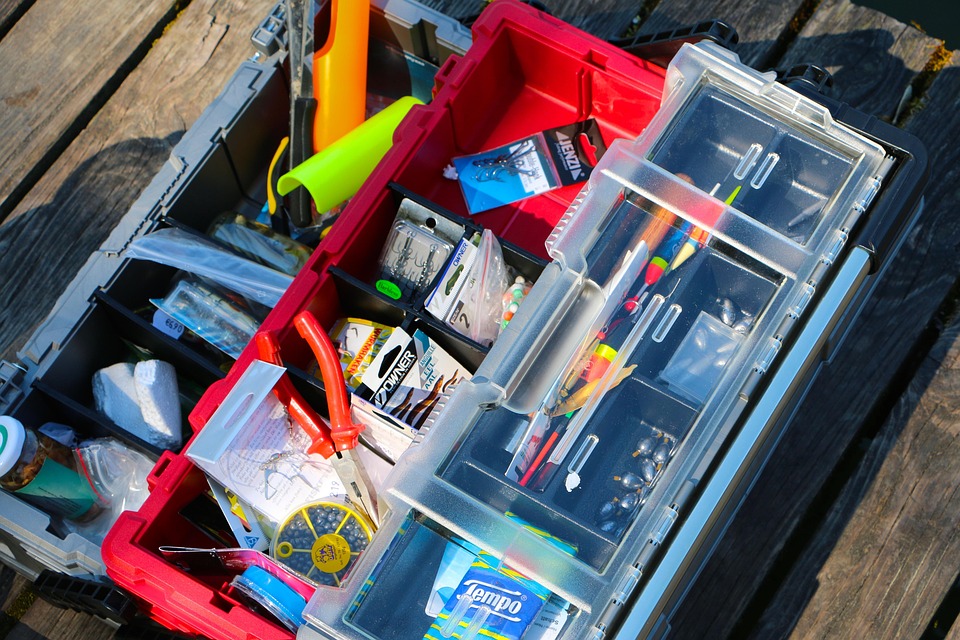
Equipping yourself with the right gear is paramount when fishing for predators. The choice of tackle can significantly impact your success rates. Here are some basic components to consider:
Rods and Reels
- Rods: Medium to heavy-action rods are often preferred for predator fishing. They provide the strength needed to manage larger fish and the sensitivity to detect subtle bites.
- Reels: Baitcasting reels are highly recommended due to their superior control and durability compared to spinning reels.
Lines and Leaders
- Line: Braided lines are favored for their strength and sensitivity, often paired with a monofilament or fluorocarbon leader to minimize visibility.
- Leaders: Use wire leaders when fishing for toothy critters like pike and muskie to prevent bite-offs.
Baits and Lures
The type of bait used can determine the success of your fishing. Live bait, artificial lures, or a combination can be effective. Consider the following options:
- Jigs: Perfect for bass and walleye, jigs mimic the movement of injured fish.
- Spinnerbaits: They create vibration and flash, appealing to predatory instincts.
- Swimbaits: Mimicking the movement of fish, these are particularly effective for bass and pike.
- Topwater Lures: These entice explosive strikes from predators near the surface.
Time and Place: The Best Conditions for Predator Fishing
Understanding the behavior of predator fish can guide you in choosing the right time and location for fishing. Temperature, light conditions, and water clarity all play a role in the activity levels of these fish.
Seasons
- Spring: As waters warm, predator fish become more active. This is an excellent time for post-spawn fishing, as bass and pike are in shallower waters.
- Summer: Fish often seek cooler, deeper waters during the heat of summer. Early mornings and late evenings become prime feeding times.
- Fall: A significant feeding frenzy occurs as fish prepare for winter. It’s a golden time for anglers.
- Winter: Ice fishing for predators is becoming popular, particularly for walleye and pike.
Weather Conditions
Overcast days and light rain can enhance feeding activity in predator fish. Wind can also help, as it creates surface disturbance that encourages fish to be more active near the surface.
Techniques for Success in Predator Fishing
Mastering the art of predator fishing involves employing various techniques tailored to specific species, water types, and conditions. Here are some strategies to enhance your effectiveness:
Drifting and Trolling
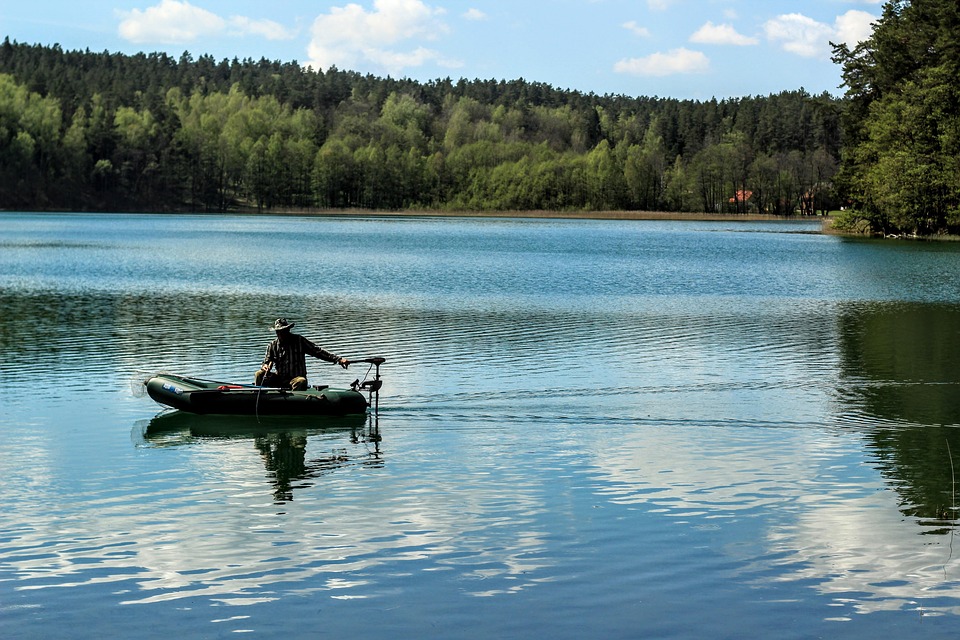
Drifting involves letting your boat move naturally with currents or winds while presenting bait or lures. This technique is particularly successful in rivers for fish like walleye. Trolling allows for covering vast areas, making it useful for targeting species like pike and muskie with lures at various depths.
Pitching and Flipping
These techniques are widely used when fishing for bass, particularly around heavy cover. Pitching involves making short, accurate casts with bait into tight spots, while flipping uses a shorter line and focuses on precision. Both methods allow for comfortable presentation and increased chances of enticing bites from hiding predators.
Topwater Techniques
The thrill of witnessing a predator fish explode on a topwater lure is incomparable. During early morning or late evening, use poppers, frogs, or walking baits to create noise on the surface, attracting the attention of lurking predators.
Practice Makes Perfect: Locating Predator Fish
Locating predator fish can be challenging yet rewarding. Knowledge of habitats and behaviors is critical to being a successful angler.
Identifying Hotspots
Predators tend to inhabit areas with abundant cover, such as:
- Weedy areas
- Rocky structures
- Sunken logs
- Drop-offs and ledges
- Areas near current or ripples in the water
Using Technology
Advanced tools like fish finders can significantly improve your ability to locate predator fish. They provide visuals of underwater structures and can identify schools of fish, allowing for strategic bait placement.
Conclusion
Predator fishing is an art that requires practice, knowledge, and respect for the aquatic environment. Understanding the species you’re targeting, employing the right techniques, and learning to read the water can drastically improve your success rates. Whether you’re a seasoned angler or a novice, the thrill of chasing apex predators offers a unique bond with nature and contributes significantly to our fishing heritage. Happy fishing!
FAQs
1. What is the best time of day to go predator fishing?
Early mornings and late evenings are generally the best times, as predator fish become more active in low-light conditions.
2. What type of bait is most effective for bass fishing?
As a rule of thumb, jigs, spinnerbaits, and soft plastics are effective choices for bass fishing, especially during spring and fall.
3. Do I need a fishing license for predator fishing?
Yes, you are typically required to have a fishing license, which varies by location. Always check local regulations before heading out.
4. Can I use live bait for all types of predator fishing?
While many predator fish respond well to live bait, some situations may call for artificial lures, particularly when fish are selectively feeding.
5. How can I improve my casting accuracy?
Practice is key. Focus on your grip, stance, and the smoothness of your casting motion. Utilizing practice casting in a variety of positions and distances can help refine your techniques.
- advanced predator fishing
- aggressive fish fishing
- barracuda fishing
- barracuda lure fishing
- freshwater predator fishing
- large predator fishing
- muskie fishing
- muskie lure fishing
- pike fishing
- pike lure fishing
- predator angling
- predator fishing
- predator fishing baits
- predator fishing destinations
- predator fishing for beginners
- predator fishing gear
- predator fishing guides
- predator fishing lures
- predator fishing reels
- predator fishing rigs
- predator fishing rods
- predator fishing seasons
- predator fishing spots
- predator fishing tactics
- predator fishing techniques
- predator fishing tips
- predatory fish fishing
- saltwater predator fishing
- zander fishing
- zander jigging










Leave a comment