











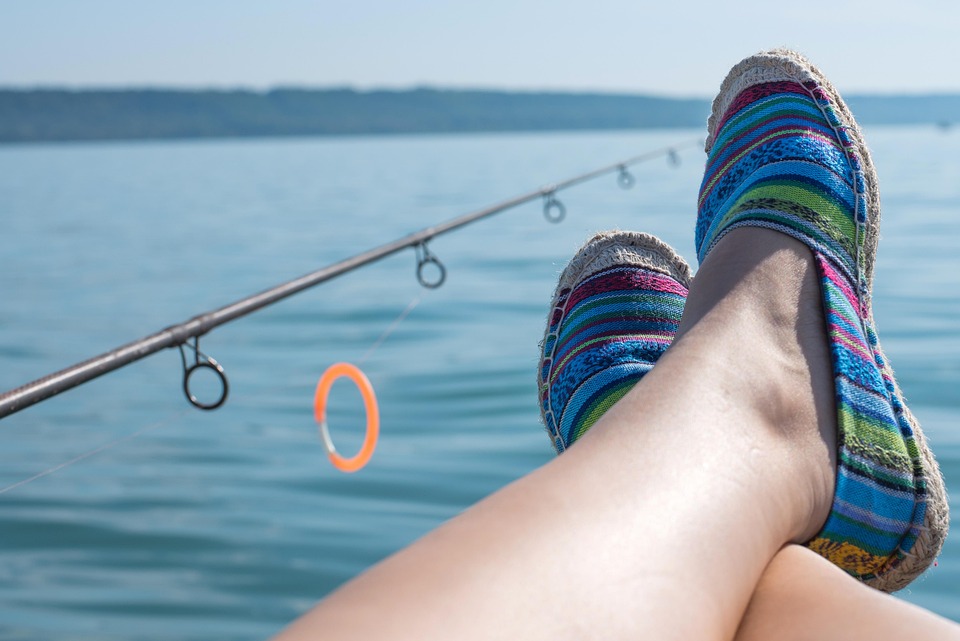


Fishing for predators is an exhilarating pursuit, one that tests the skills and patience of anglers. From the thrill of feeling a tug on the line to the sheer joy of landing a giant, predator fishing offers unique challenges and rewards. Whether you’re targeting bass, pike, or catfish, knowing effective strategies is crucial for success. This article will explore the top techniques and tips that seasoned anglers utilize when chasing these elusive giants.
Understanding Predator Behavior
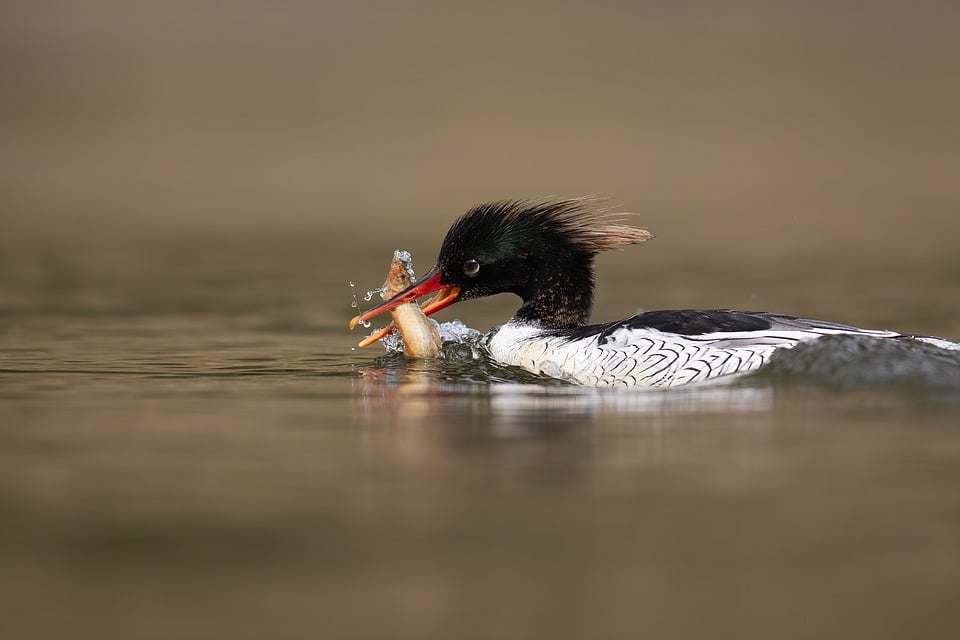
Before diving into specific strategies, it’s vital to understand the behavior of the predators you’re targeting. Different species have unique habits, habitats, and hunting techniques. For instance, these fish often engage in ambush predation, relying on stealth and speed to catch their prey. Understanding their feeding patterns can alter your approach significantly.
- Time of Day: Many predators feed more actively during dawn and dusk, known as the “magic hours.” Targeting these times can significantly increase your chances of success.
- Seasonal Patterns: Seasonal changes affect predator behavior. For instance, in spring, they spawn and exhibit aggressive behavior, making them easier to catch.
- Water Temperature: Fish respond to temperature; as waters warm, predator activity typically increases.
Top Techniques for Predator Fishing
1. Matching the Hatch
Matching the bait to what is currently available in the water—termed “matching the hatch”—is crucial. This strategy involves observing the size and type of baitfish in the area. If small minnows or crustaceans are abundant, using lures that mimic them can yield success.
2. Choosing the Right Gear
When predator fishing, the right gear can make a world of difference. While preferences vary among anglers, here are some tips:
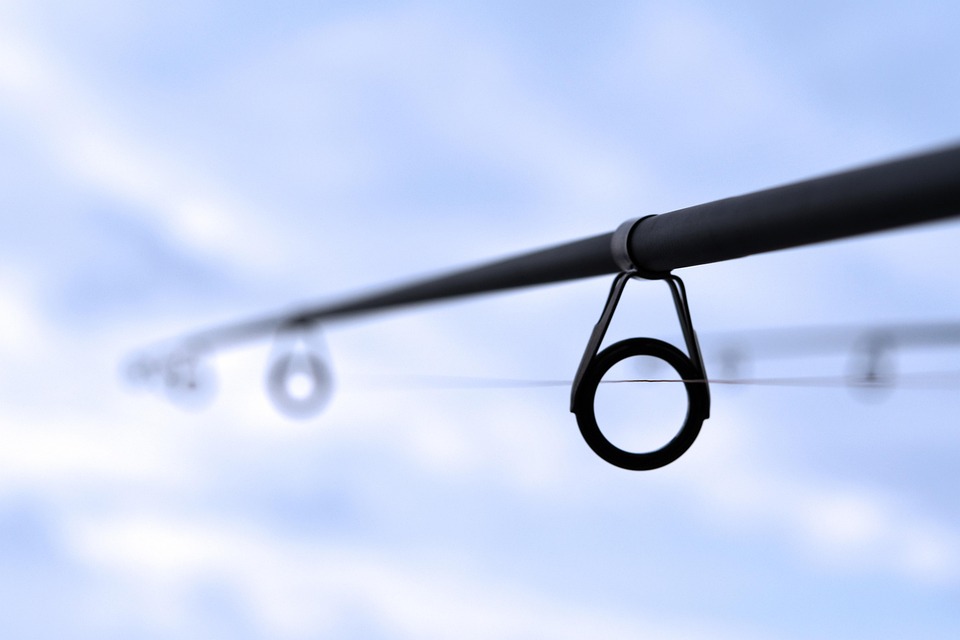
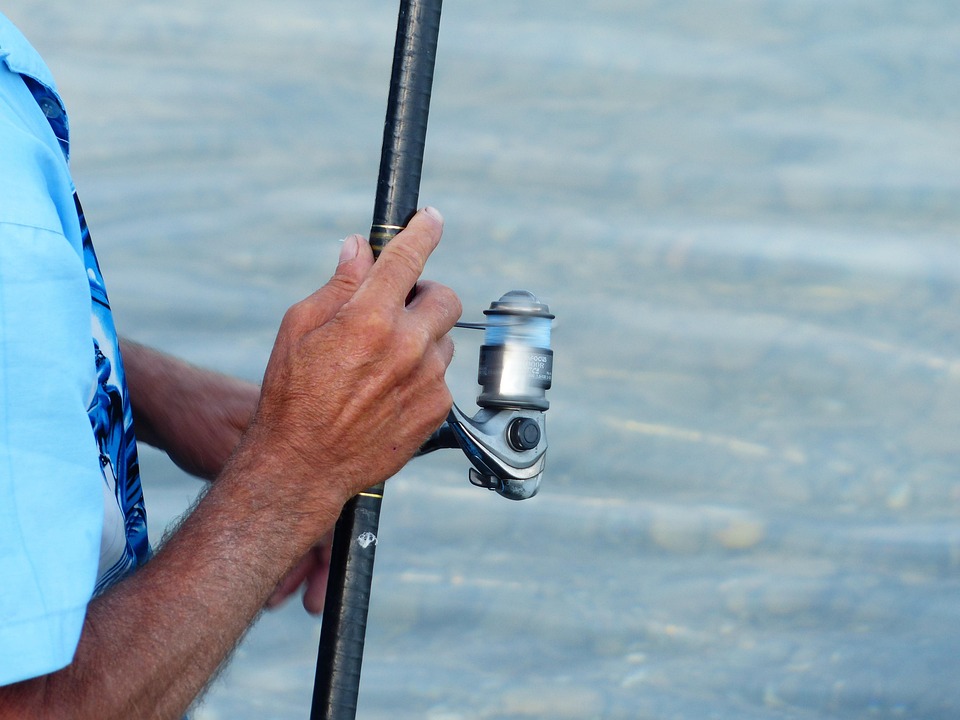
- Rod and Reel: Opt for a medium to heavy-action rod paired with a quality reel to handle larger fish.
- Line: A braided line offers high sensitivity and strength, making it suitable for large predators.
- Hooks: Ensure that hooks are sharp and sized appropriately for the catch.
3. Lure Selection and Presentation
Using the right lure is essential in attracting predatory fish. The choice of lure can depend on the species being targeted. Common options include:
- Swimbaits: Ideal for mimicking swimming baitfish, swimbaits are incredibly versatile.
- Jigs: These can be used effectively in both freshwater and saltwater conditions, and they can mimic various prey depending on the dressing.
- Topwater Lures: Perfect for exciting strikes at the water’s surface, especially during low-light conditions.
The presentation technique is just as critical as lure choice. Slow retrieval can entice strikes from lethargic fish, while a fast retrieve may trigger a more aggressive response.
4. Exploring Different Water Types
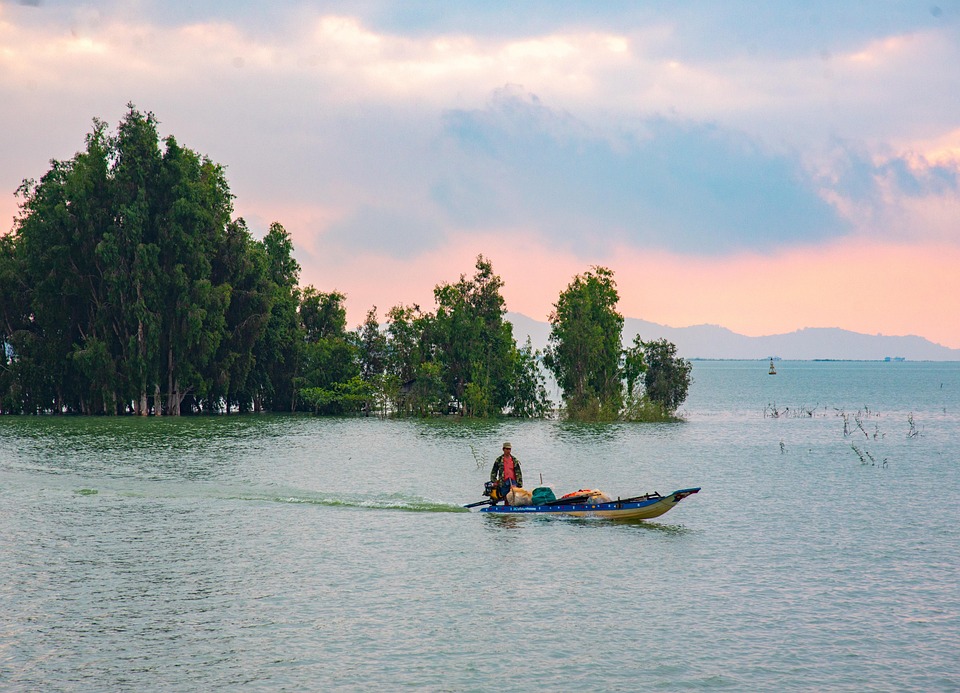
High biodiversity areas like lakes, rivers, and coastal zones serve as hotspots for predator fishing. Each type of water offers unique advantages:
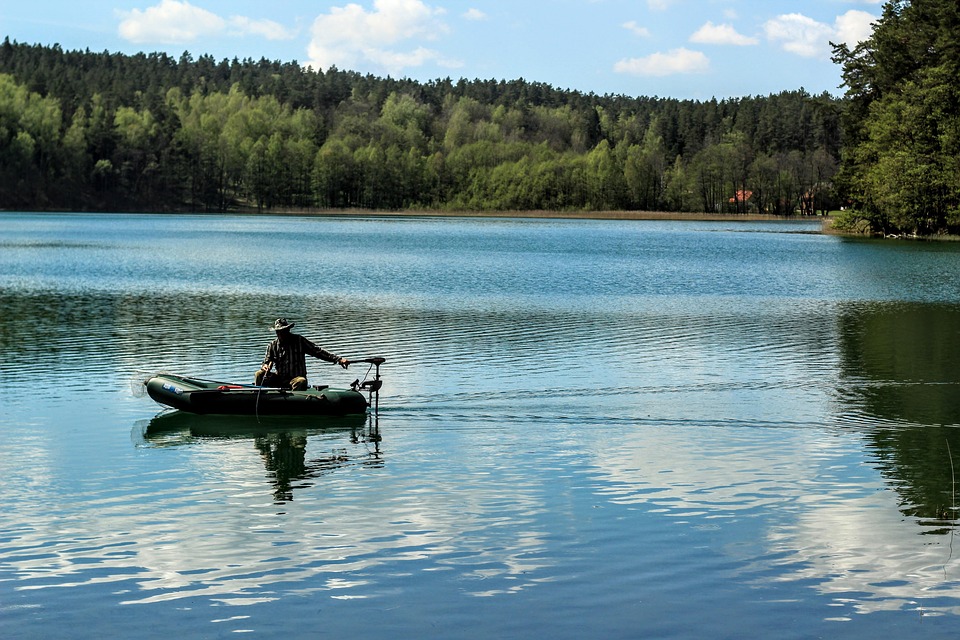
- Lakes: Often host a variety of predator species like northern pike and bass. Look for underwater structures like submerged trees and rock formations.
- Rivers: The current can affect fish behavior. Fish tend to hold near structure such as rocks and ledges where they can ambush prey.
- Estuaries: These rich environments are perfect for targeting species that migrate to fresh-water systems.
The Importance of Local Knowledge
When fishing for predators, tap into local fishing reports and insights from seasoned anglers. Fishing forums and local bait shops can provide valuable information about current conditions and effective techniques. Local knowledge can save you time and improve your success rate significantly.
Adapting to Conditions
Weather plays a crucial role in fishing outcomes. Factors like wind, cloud cover, and precipitation can affect predator activity. For example, overcast skies tend to improve fishing conditions by providing shade, motivating predators to roam more freely. Similarly, a light wind can create surface disturbance that aids in hiding your lures.
Weather Considerations:
- Sunny days may require deeper presentations or heavy cover.
- Rain can boost fish activity, especially before and after the downpour.
- Wind can disrupt surface feeding, yet create favorable conditions by pushing bait into corners.
Conservation and Ethical Fishing
As anglers, it’s our ethical responsibility to preserve waterways and fish populations. Follow best practices such as:
- Practice catch and release for non-target species.
- Leave no trace by cleaning up after your fishing adventures.
- Follow local fishing regulations regarding size and bag limits.
Conclusion
Successful predator fishing is a combination of nature, skill, and respect for the environment. By understanding predator behavior, utilizing effective fishing techniques, and adapting to varying conditions, anglers can enhance their chances of landing that trophy fish. Always remember to prioritize conservation and sustainability in your fishing practices to ensure that future generations can continue to enjoy this exhilarating hobby. Whether you’re a novice or a seasoned pro, these strategies will undoubtedly help you in your quest to chase giants.
Frequently Asked Questions (FAQs)
1. What is the best time of day for predator fishing?
Dawn and dusk are often the most productive times for predator fishing, as many species actively hunt during these hours.
2. Do I need a fishing license to fish for predators?
Yes, a fishing license is often required. Regulations vary by location, so it’s essential to check local laws before fishing.
3. What are the best lures for pike fishing?
Popular lures for pike include swimbaits, spoons, and jerkbaits. It’s best to choose lures that mimic the natural prey in the area.
4. How can I improve my fishing skills?
Practice is key! Additionally, learning from experienced anglers, reading fishing literature, and watching tutorial videos can be very helpful.
5. What should I do if I want to catch and release my fish?
Handle the fish gently, wet your hands before touching it, and minimize air exposure. Use barbless hooks if possible and return the fish to the water quickly.
- advanced predator fishing
- aggressive fish fishing
- barracuda fishing
- barracuda lure fishing
- freshwater predator fishing
- large predator fishing
- muskie fishing
- muskie lure fishing
- pike fishing
- pike lure fishing
- predator angling
- predator fishing
- predator fishing baits
- predator fishing destinations
- predator fishing for beginners
- predator fishing gear
- predator fishing guides
- predator fishing lures
- predator fishing reels
- predator fishing rigs
- predator fishing rods
- predator fishing seasons
- predator fishing spots
- predator fishing tactics
- predator fishing techniques
- predator fishing tips
- predatory fish fishing
- saltwater predator fishing
- zander fishing
- zander jigging








Leave a comment