









The call of the ocean has drawn fishermen to its depths for centuries. The thrill of angling for big game species represents a journey that transcends mere sport; it embodies a deep-rooted connection to nature and the perpetual quest for knowledge. From the majestic bluefin tuna to the formidable swordfish, understanding the behaviors, habitats, and fishing techniques for these impressive creatures not only enhances the angling experience but also fosters sustainable practices that protect our oceans for generations to come. This article delves into the fascinating world of big game fish, examining their characteristics, conservation status, and the eco-friendly fishing methods that anglers can adopt.
What Are Big Game Species?
Big game species refer to large fish that not only offer significant challenges for anglers but are also highly coveted for their size, strength, and often, their culinary value. Common examples include:
- Bluefin Tuna: Recognized for its incredible speed and agility, the bluefin tuna can weigh over 1,000 pounds and is renowned for its rich, fatty flesh.
- Marlin: This species, especially the black marlin and blue marlin, is characterized by its long, spear-like bill and robust physique. They are a favorite among sport fishermen due to their acrobatic leaps.
- Swordfish: Swordfish are named for their unique, elongated bills and are known for their high-speed swims and ability to dive deep into the ocean.
- Sharks: Various species like the tiger shark and great white are sought after for their size and strength, although they require special considerations due to their conservation status.
Habitat and Distribution
Understanding the habitats of big game species is crucial for successful fishing. Many of these fish are pelagic, meaning they inhabit the open sea rather than coastal or bottom-dwelling areas. They often migrate over large distances, driven by factors such as temperature and food availability.
For example, bluefin tuna can be found in both the Atlantic and Pacific Oceans. They prefer waters with temperatures between 60°F and 70°F but dive to depths of over 3,000 feet in search of prey. In contrast, marlin are often located in warmer, tropical waters and are known to follow schools of tuna and other smaller fish.
Behavioral Patterns
The behavior of big game species is a blend of instinct and learned habits. These fish exhibit unique feeding behaviors that can range from opportunistic feeding to more calculated hunting strategies. For instance, marlin and swordfish are known to rely on ambush tactics, often hiding among structure or using stealth to catch unsuspecting prey.
Moreover, their responses to environmental changes can provide insight into their patterns. During spawning seasons, many big game species become more vulnerable to fishing, making it critical for anglers to be aware of these periods for each species.
Fishing Techniques
Angling methods for big game fish vary significantly, with each technique tailored to the species targeted. Here are some popular methods:
Trolling
Trolling involves dragging baited lines through the water behind a moving boat. This method is particularly effective for species like tuna and marlin, which are attracted to the movement of the bait.
Deep Drop Fishing
Deep dropping is a technique used for species like swordfish that prefer deeper waters. Specialized gear, including heavy weights and bait, is deployed to significant depths to attract these elusive fish.
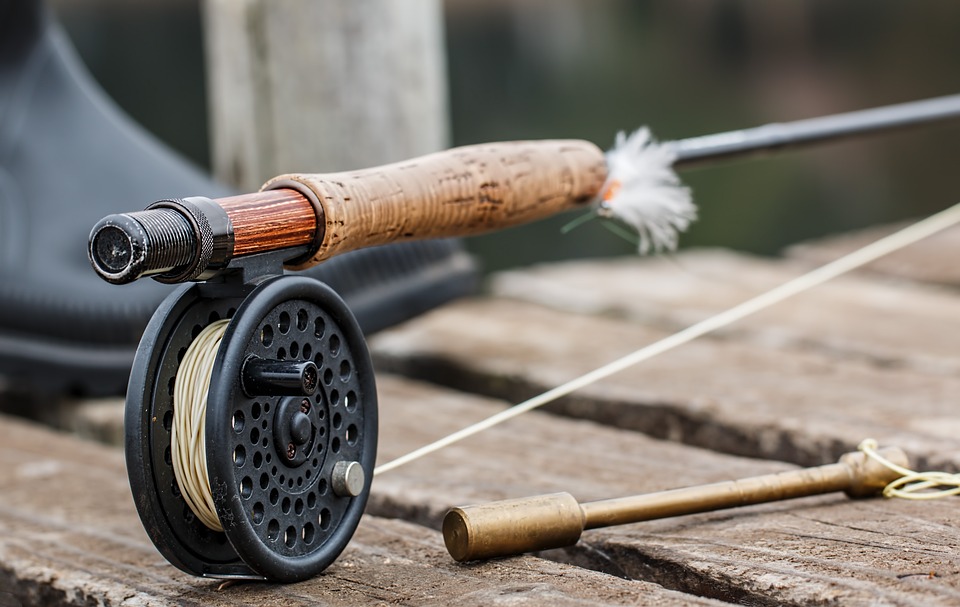
Fly Fishing
For those seeking a challenge, fly fishing for species like tarpon offers an exhilarating experience. This method requires skill and agility, especially considering the strength of these fish once hooked.
Conservation Status
The increased demand for big game fish has raised significant conservation concerns. Overfishing, habitat loss, and climate change are critical threats to many species. The International Union for Conservation of Nature (IUCN) lists several big game species as vulnerable or endangered.
For instance, the Atlantic bluefin tuna is severely overfished, leading to international regulations aimed at regulating its catch. Anglers play a crucial role in conservation through responsible fishing practices, including:
- Adhering to catch limits and seasons established by governing bodies.
- Practicing catch-and-release to help sustain fish populations.
- Using eco-friendly gear to minimize environmental impact.
Innovations in Sustainable Fishing
As conservation concerns grow, so do technological advancements in sustainable fishing practices. Innovations such as satellite tracking, biodegradable fishing gear, and specialized catch-releasing systems aim to protect vulnerable species while still allowing fishing opportunities.
Organizations and companies are increasingly encouraging the development of sustainable fishing gear. For example, the use of circle hooks, which are designed to hook fish in the mouth rather than the stomach or throat, minimizes injury and increases the chance of survival during catch-and-release.
Conclusion
The allure of big game fishing is rooted in the thrill of the chase and the profound respect for the species that inhabit our oceans. By understanding these magnificent creatures, their habitats, and the best practices to engage with them sustainably, anglers can contribute to the health of marine ecosystems while enriching their own fishing experiences. Raising awareness about the conservation efforts surrounding big game species is essential to ensure these wonders of the ocean remain a part of our natural heritage for generations to come. As we cast our lines into the deep blue, let us remember: it is not just about the catch; it’s about preserving the beauty beneath the waves.
FAQs
What are the best times of year to fish for big game species?
The best times vary by species, but generally, spring and summer months are prime for many big game fish due to their spawning cycles and migratory patterns.
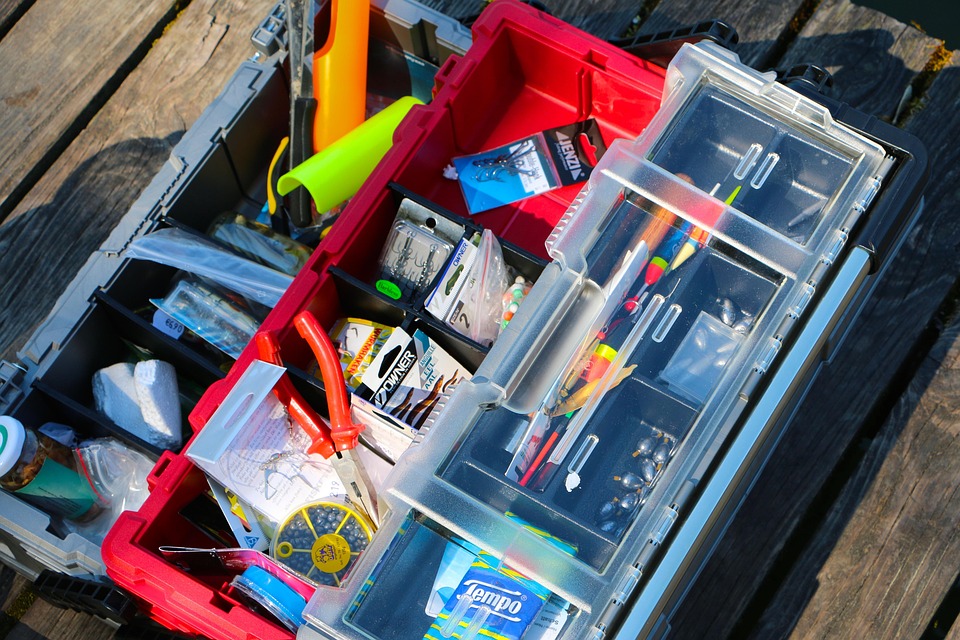
How do I choose the right tackle for big game fishing?
Choosing the right tackle depends on the species being targeted. Heavy-duty rods and reels are essential for larger fish. Consult local anglers or tackle shops for recommendations based on specific species and environments.
Is catch and release effective for conservation?
Yes, catch and release is a widely embraced practice that can help maintain fish populations. Proper techniques should be followed to ensure the released fish have the best chance of survival.
Are there specific regulations I need to know about?
Regulations vary by region and species. Always check local fishing guidelines for catch limits, seasons, and protected areas before heading out.
- barracuda fishing
- beach fishing
- big game fishing
- bluewater fishing
- boat fishing
- coastal fishing
- deep ocean fishing
- deep sea fishing
- drift fishing
- grouper fishing
- jigging fishing
- kingfish fishing
- mahi mahi fishing
- marlin fishing
- ocean fishing
- offshore fishing
- pier fishing
- reef fishing
- sailfish fishing
- saltwater angling
- saltwater fishing
- saltwater fishing guides
- shark fishing
- shore fishing
- snapper fishing
- sport fishing
- surf fishing
- trolling fishing
- tuna fishing









Leave a comment