












Fishing has been a cornerstone of human survival and recreation for thousands of years. While many anglers bask in the thrill of the catch, the mastery of fishing techniques can be equally exhilarating. Among these techniques, predator fishing stands out due to the adrenaline rush and the challenge it presents. This exploration will delve into the various fishing rig techniques used for targeting top predators such as pike, bass, muskie, and others, equipping you with the knowledge to enhance your fishing skills.
Understanding the Predator Mindset
Predators in freshwater ecosystems exhibit specific behaviors that dictate their feeding patterns. Understanding these traits is vital to choosing the right rig and bait. For instance:
- Aggression: Many predator fish are territorial and aggressive, especially during spawning seasons. Utilizing lures that mimic injured prey can provoke strikes.
- Ambush Tactics: Predators often wait patiently for prey to come within striking distance. They favor cover, such as submerged structures, vegetation, or overhangs.
- Feeding Times: Most predator species are more active during early mornings and late evenings. Knowing when to fish can dramatically influence success rates.
The Essentials of Fishing Rigs
Before diving into specific predator fishing rigs, let’s explore some essential components that make up a successful fishing setup:
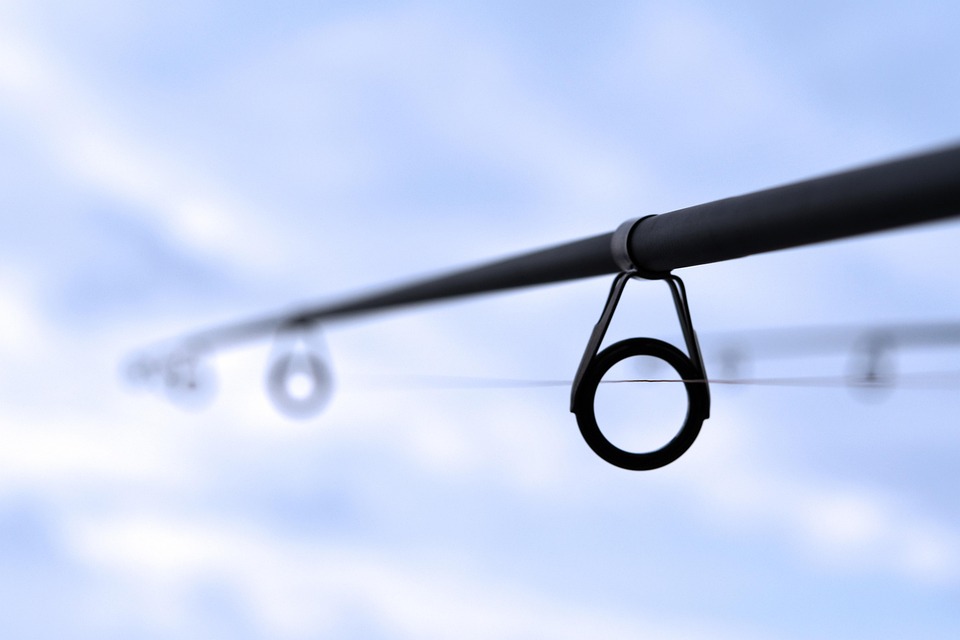
- Rod and Reel: Choose a rod with a good backbone for fighting larger fish. A baitcasting reel is often preferred for precision casting.
- Line: Use a strong, abrasion-resistant line—braided lines are particularly effective due to their thin diameter and high strength.
- Hooks: Ensure the hooks are sharp and of appropriate size for the targeted species. Circle hooks can be particularly effective when fishing live bait.
- Terminal Tackle: Swivels and leaders help avoid line twist and abrasion, especially when dealing with toothy fish.
Top Predator Fishing Rig Techniques
1. Texas Rig
The Texas rig is among the most versatile rigs, making it ideal for various predator fish. This rig involves threading a hook through the bait, making it weedless. Here’s how to set it up:
- Choose a bullet weight that matches the cover and depth of the water.
- Slide the weight onto the main line, followed by a bead (optional).
- Attach the hook with a snell knot, leaving a four to six inch tag line.
- Run the hook through the bait, ensuring it lies flat against the weight.
This technique is effective in heavy cover and is excellent for tempting predatory fish lurking in grass beds or submerged timber.
2. Carolina Rig
For a more effective deep-water presentation, the Carolina rig excels. This rig allows the bait to float above the bottom, making it visible to predators. Here’s how to create it:
- Start with a heavy barrel weight on the main line.
- Follow with a bead to prevent the weight from damaging the knot.
- Attach a swivel, then a leader line of two to four feet in length with the hook at the end.
The Carolina rig is ideal for fishing on expansive flats or in deeper waters where predators may be hunting for baitfish.
3. Drop Shot Rig
The drop shot rig is a finesse technique that is effective for enticing finicky feeders. This rig allows the angler to present the bait at a specific depth without the weight interfering. Follow these steps:
- Attach a hook to the line using a Palomar knot.
- Attach a weight roughly a foot below the hook.
- Cast and let the weight settle while gently shaking the line to create action in the bait.
This technique works wonders, especially when targeting bass and other species that may shy away from traditional baits.
4. Frog Rig
A frog rig is an exciting way to target predators located in thick vegetation. The surface action generated when using frog lures often elicits explosive strikes. Here’s how to assemble your frog rig:
- Use a heavy braided line for quick hook sets.
- Attach a single hook, ensuring it’s sharp and capable of penetrating through the frog’s body.
- Cast into areas of heavy cover and utilize a slow, deliberate retrieve with pauses to mimic a struggling frog.
This method is particularly effective for pike and bass during warmer months when they are actively feeding near the surface.
5. Jerkbait Rig
Utilizing jerkbaits can yield fantastic results when chasing predatory fish that are in an aggressive feeding mood. They imitate injured baitfish, provoking predatory instincts. Here’s how to rig it:
- Choose a suspending or floating jerkbait appropriate for the target species.
- Cast it and give it a series of jerks, allowing it to pause briefly between pulls.
- Vary the speed and retrieve to find out what triggers the best response.
This technique works especially well during early spring or when water temperatures begin to rise.
Conclusion
Mastering predator fishing techniques not only enhances your skills but can transform a standard fishing trip into a thrilling adventure. From understanding the predator’s mindset to utilizing specialized rigs, the nuances of angling are as extensive as the waters you explore.
While different rigs cater to various scenarios, versatility remains a critical asset in any angler’s repertoire. With practice, patience, and the knowledge gained from this article, you’ll be well on your way to maximizing your success on the water.
FAQs
1. What is the best season for predator fishing?
The best seasons for predator fishing typically align with spring and early fall. During these times, fish are more active due to rising water temperatures and increased prey availability.
2. Do I need to use live bait with these rigs?
While live bait can be effective, many anglers have had great success with artificial lures and baits. Choose your bait based on the species you are targeting and the conditions of the water.
3. Are there specific colors I should focus on for predator fishing lures?
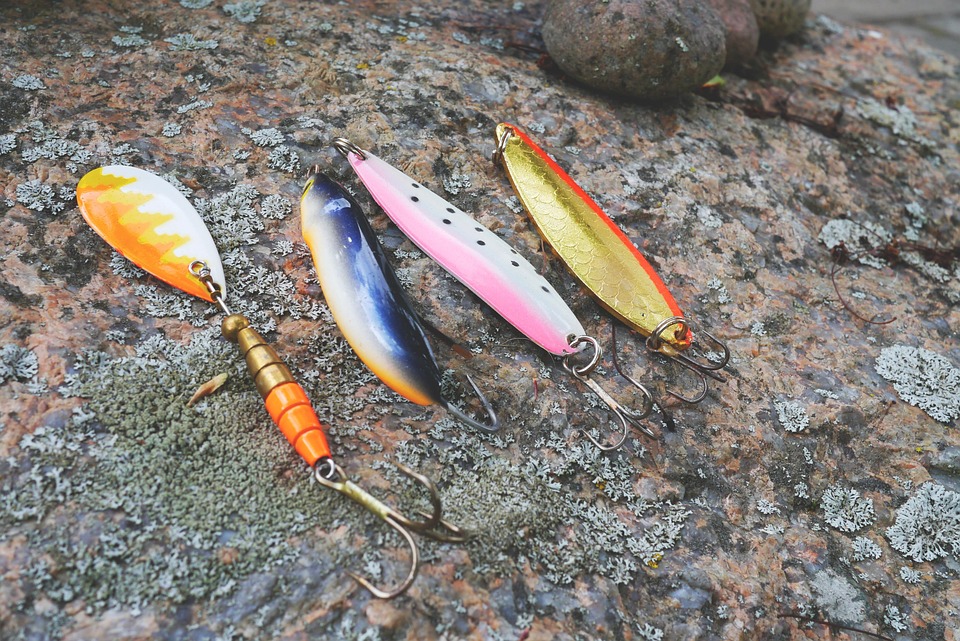
Colors can depend on water clarity and conditions. Clear waters often benefit from natural colors, while murky waters may require brighter or more vibrant colors to attract predators.
4. How can I improve my casting accuracy?
Practice is key for improving casting accuracy. Work on your technique through repetition and consider using practice plugs to enhance your muscle memory.
5. What safety precautions should I take while fishing?
Always wear a life jacket while on a boat, be mindful of weather conditions, and ensure you have proper gear and supplies on hand. Also, follow local fishing regulations.
- advanced predator fishing
- aggressive fish fishing
- barracuda fishing
- barracuda lure fishing
- freshwater predator fishing
- large predator fishing
- muskie fishing
- muskie lure fishing
- pike fishing
- pike lure fishing
- predator angling
- predator fishing
- predator fishing baits
- predator fishing destinations
- predator fishing for beginners
- predator fishing gear
- predator fishing guides
- predator fishing lures
- predator fishing reels
- predator fishing rigs
- predator fishing rods
- predator fishing seasons
- predator fishing spots
- predator fishing tactics
- predator fishing techniques
- predator fishing tips
- predatory fish fishing
- saltwater predator fishing
- zander fishing
- zander jigging








Leave a comment