





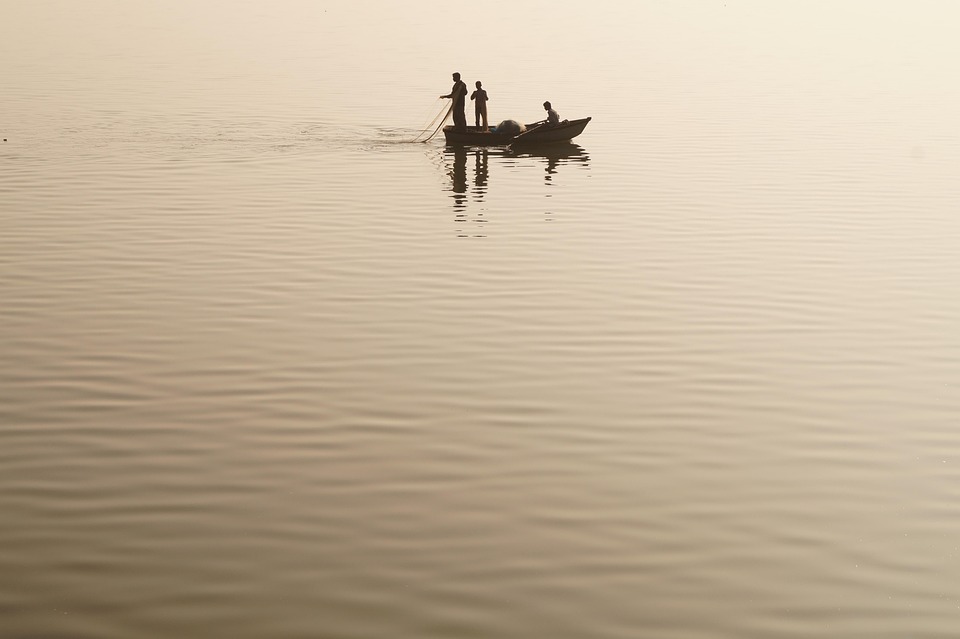



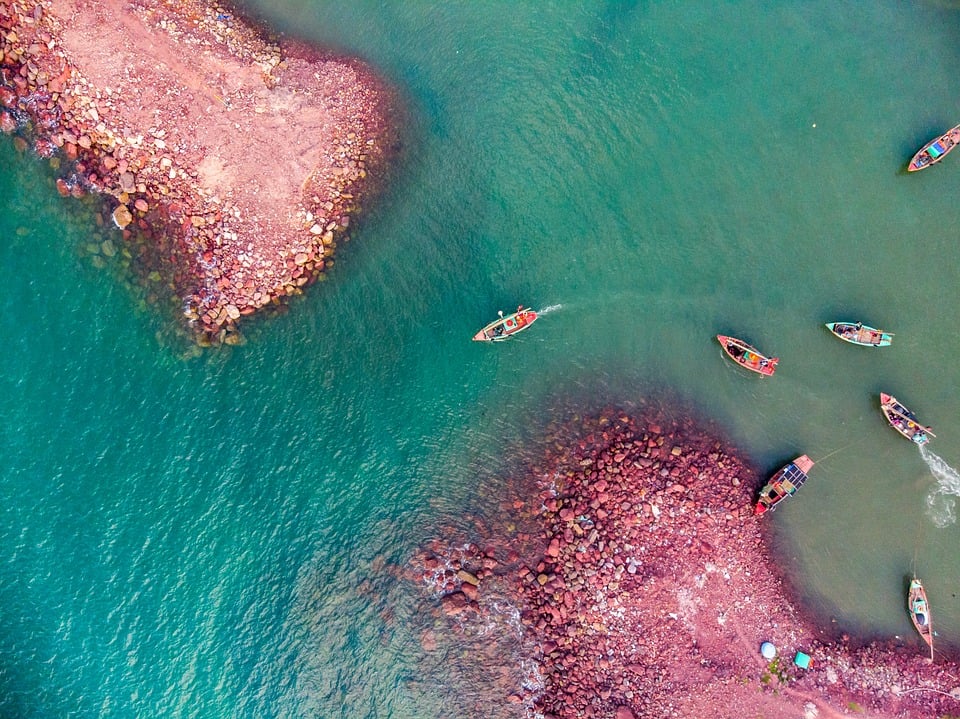

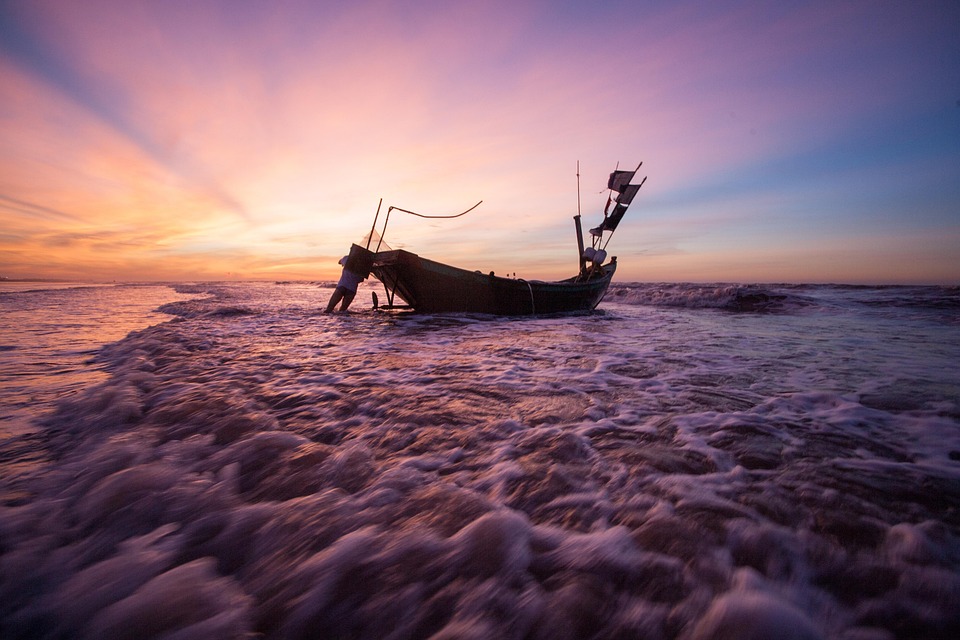
Boat fishing is not just an enjoyable pastime; it’s a way to engage with nature, challenge your skills, and unwind. Whether you’re a novice or a seasoned angler, there are always new techniques and tips to enhance your fishing experience. This article delves into some of the most effective boat fishing techniques that every angler should know, helping you maximize your chances of success on the water.
Understanding the Environment
Before you cast your line, it’s crucial to understand the environment in which you’ll be fishing. Factors such as water temperature, tide patterns, and weather conditions can significantly influence fish behavior.
Water Temperature
Fish are ectothermic creatures, meaning their body temperature is regulated by their environment. Water temperatures affect their metabolism, feeding habits, and activity levels. Typically, the best fishing occurs in:
- Spring (50°F – 68°F): Most species become active as they prepare for spawning.
- Summer (68°F – 75°F): Fish are often found in deeper waters during peak heat.
- Fall (55°F – 65°F): Fish aggressively feed in preparation for winter.
- Winter (below 55°F): Fishing slows down; targeting specific species becomes critical.
Tide Patterns
The tides impact fish feeding patterns, particularly in coastal areas. Understanding when to fish according to the tide can lead to better catches. Generally, the best times to fish are:
- During rising tides, as fish tend to move closer to shore.
- During falling tides, as fish chase baitfish out to deeper waters.
Weather Conditions
Fish behave differently based on weather. Overcast days can result in increased activity, while bright sunny days may cause fish to retreat to deeper or shaded areas. Wind can also affect fishing by stirring up the water surface, increasing oxygenation, and making fish more active.
Essential Equipment and Gear
Having the right equipment enhances your fishing experience. Here are the basics every angler should consider:
Fishing Rod and Reel
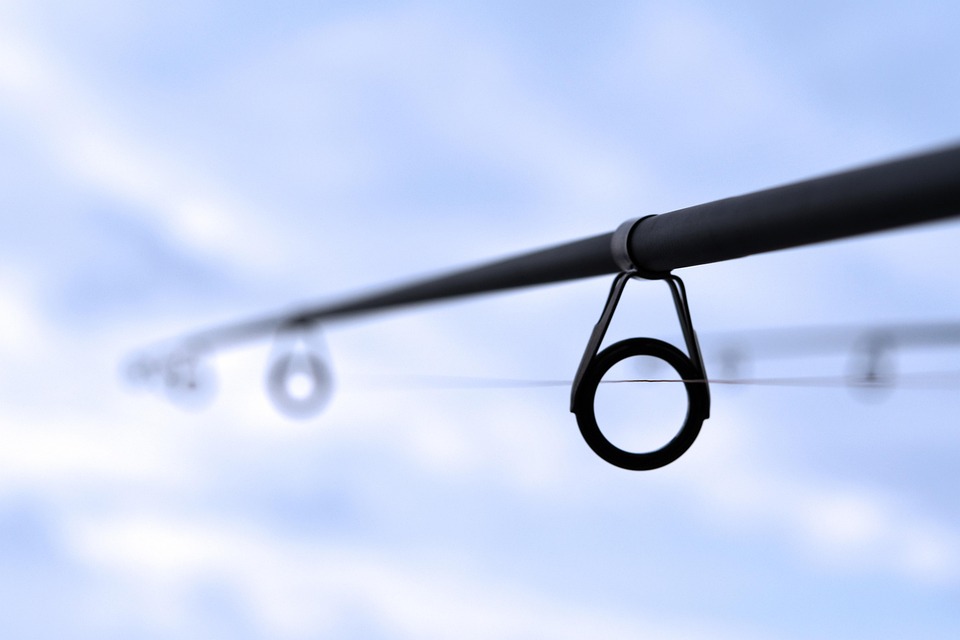
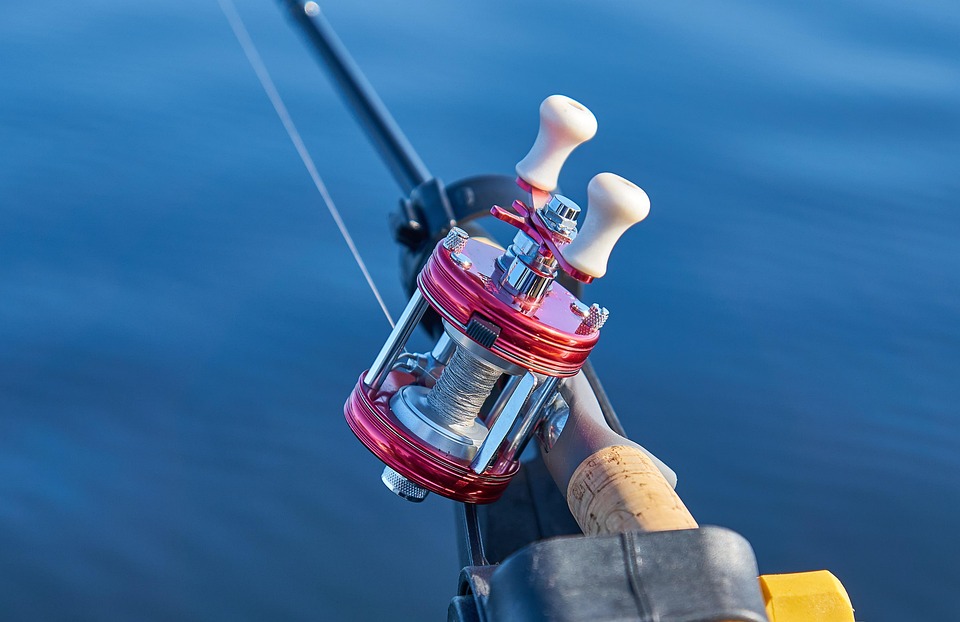
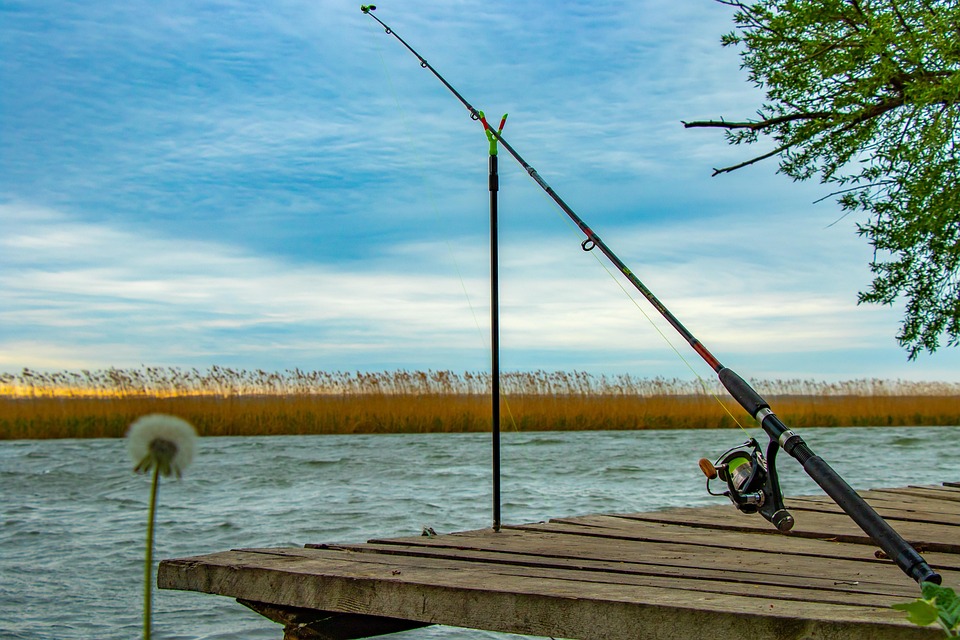
Your choice of rod and reel depends on the type of fish you are targeting. For example, a heavier rod is suitable for larger species, while a lighter rod is preferable for smaller catches. Spinning reels are versatile, allowing for easy casting and retrieval.
Fishing Line
The type of line you choose—monofilament, fluorocarbon, or braided—should depend on your fishing conditions. Fluorocarbon is less visible underwater, making it ideal for clear water conditions, whereas braided lines offer higher strength and sensitivity.
Hooks and Lures
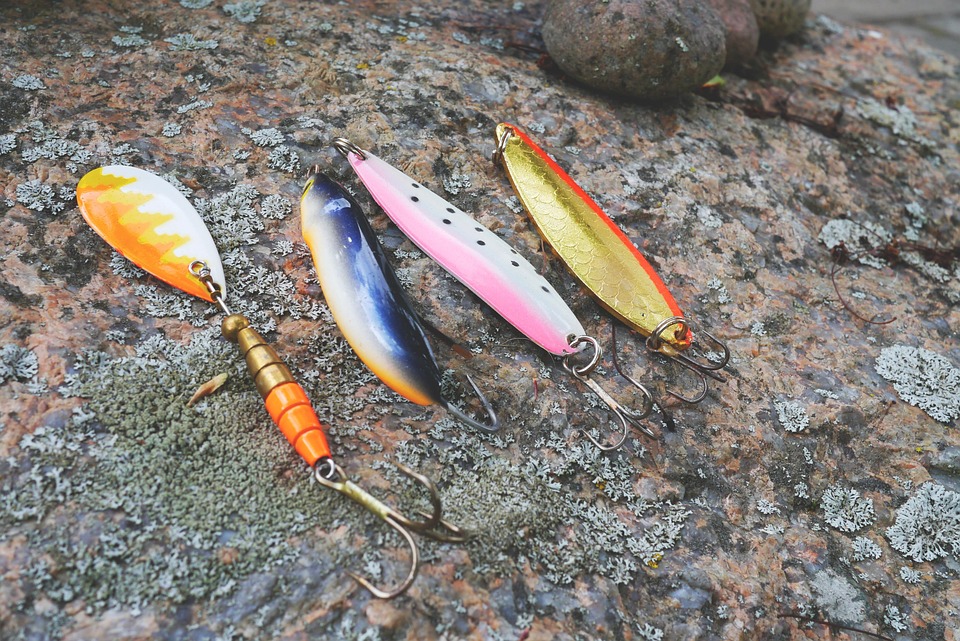
Choosing the right hook size and type is essential. For live bait, circle hooks are preferable as they reduce gut-hooking. If fishing with lures, it’s wise to have a variety, including:
- Jigs
- Spinnerbaits
- Crankbaits
Top Fishing Techniques
Here are some of the most effective fishing techniques suitable for boat anglers:
1. Trolling
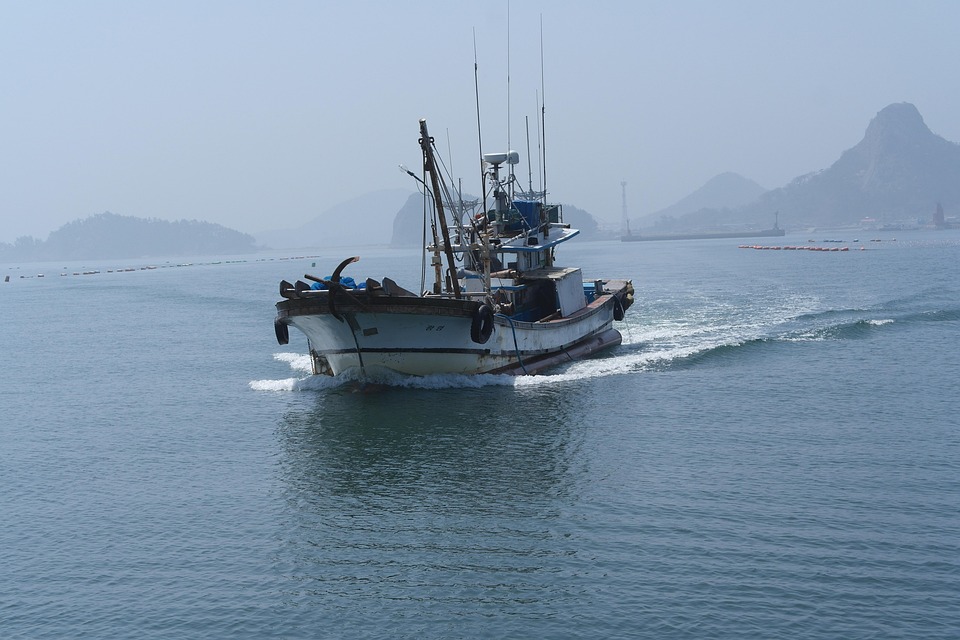
Trolling involves slowly moving your boat while dragging bait or lures behind you. This technique is effective for covering large areas and can attract pelagic fish like tuna and marlin. To successfully troll:
- Maintain a steady speed of 2-7 knots.
- Adjust your lure depth using downriggers or weight.
- Vary speeds and distances to simulate distressed bait.
2. Drifting
Drifting is another highly effective technique that involves letting your boat and fishing line drift with the current or wind. This method is particularly useful for bottom fishing and can be enhanced by using:
- Live bait, such as minnows or worms.
- Weighted rigs to maintain contact with the bottom.
3. Anchoring
Docking at a specific location allows you to target particular species that may inhabit that area. Ensure to anchor your boat securely, and use techniques such as:
- Baiting the area in advance to attract fish.
- Using multiple rods with varying baits to increase your chances.
4. Flip Casting
Flip casting is ideal for freshwater fishing, especially in areas with cover like weed beds or fallen trees. This technique requires:
- Using a shorter rod for better accuracy.
- Employing heavier lures that can penetrate the cover.
5. Jigging
Jigging is effective for bottom-dwelling fishes like cod and flounder. It involves rapidly moving the lure up and down to attract fish. Important tips include:
- Varying your jigging speed to simulate a distressed baitfish.
- Using color variations to find what appeals to the fish.
Conclusion
Mastering these boat fishing techniques can significantly enhance your experience on the water. Remember, fishing is as much about patience and persistence as it is about technique. Whether you’re trolling across vast oceans or drifting through tranquil lakes, knowledge of the environment, equipment, and strategy will lead you to a successful catch.
FAQs
What is the best time of day for boat fishing?
The early morning and late evening are often considered the best times for fishing, as fish tend to be more active during these periods.
How do I maintain my fishing gear?
Regularly clean your reel and rod after use, check for any damage, and store them in a dry, cool place to prolong their lifespan.
What is the difference between freshwater and saltwater fishing?
Freshwater fishing takes place in lakes, rivers, and ponds and typically targets species like bass and trout, while saltwater fishing occurs in oceans and seas, targeting species such as tuna and marlin.
How do weather conditions affect fishing?
Weather can influence fish behavior. Overcast days may lead to increased activity, while bright sunny days can push fish deeper or into shady areas.
Is it important to have a fishing license?
Yes, most regions require anglers to have a fishing license. It’s essential to check local regulations and ensure you have the proper documentation.
- advanced fishing techniques
- artificial bait fishing
- bait fishing
- boat fishing methods
- casting fishing
- deep sea fishing techniques
- drift fishing
- fishing knots techniques
- fishing methods
- fishing methods for beginners
- fishing rigs methods
- fishing strategy tips
- fishing techniques
- fly fishing techniques
- freshwater fishing techniques
- inshore trolling
- jigging fishing
- live bait fishing
- lure fishing methods
- modern fishing techniques
- offshore trolling
- popping fishing
- professional fishing methods
- saltwater fishing techniques
- shore fishing methods
- slow jigging
- spinning fishing
- topwater popping
- trolling fishing
- vertical jigging












Leave a comment