






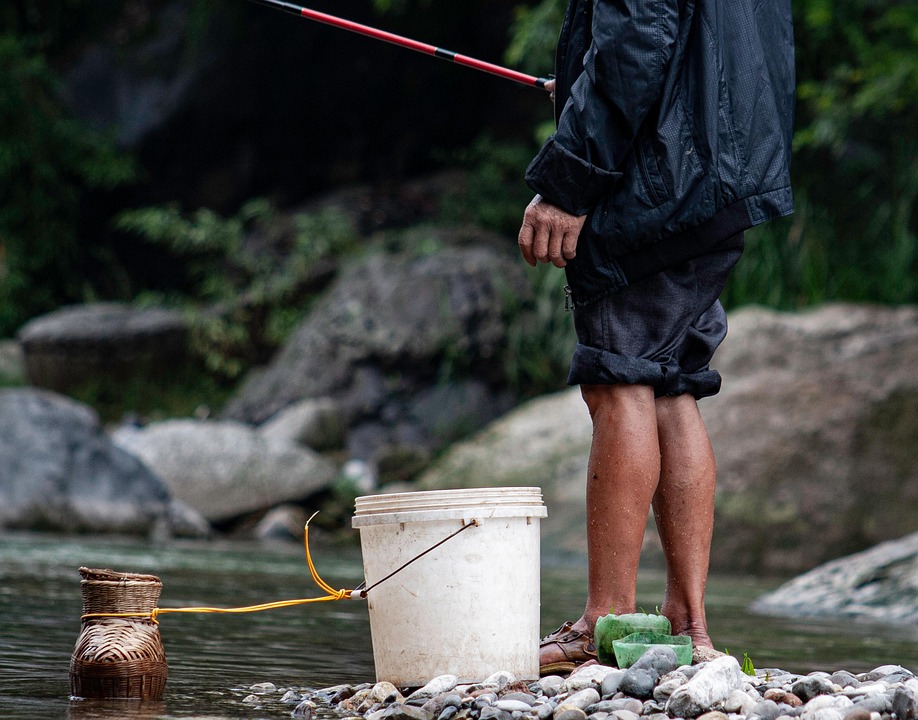


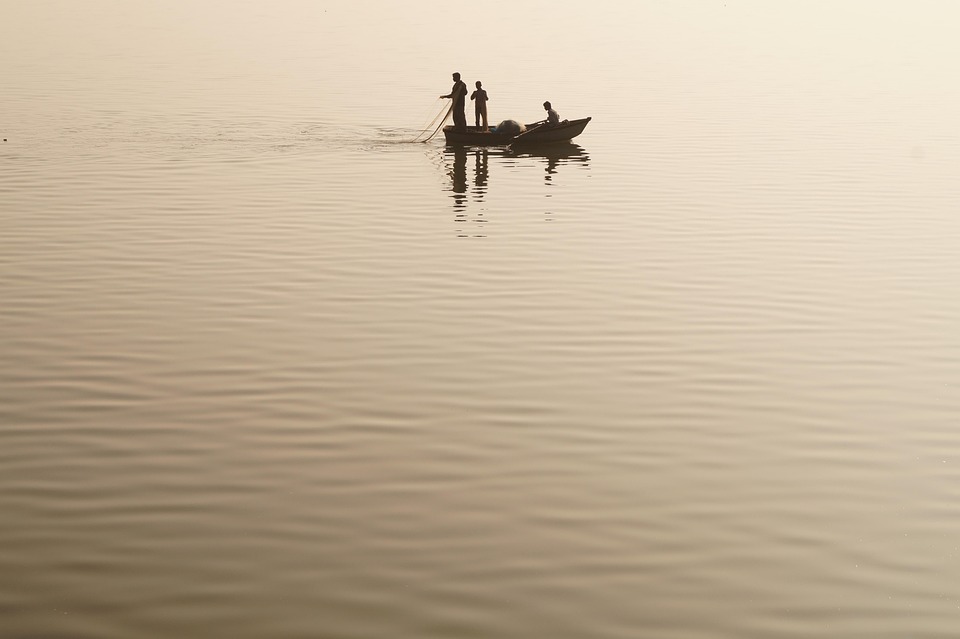



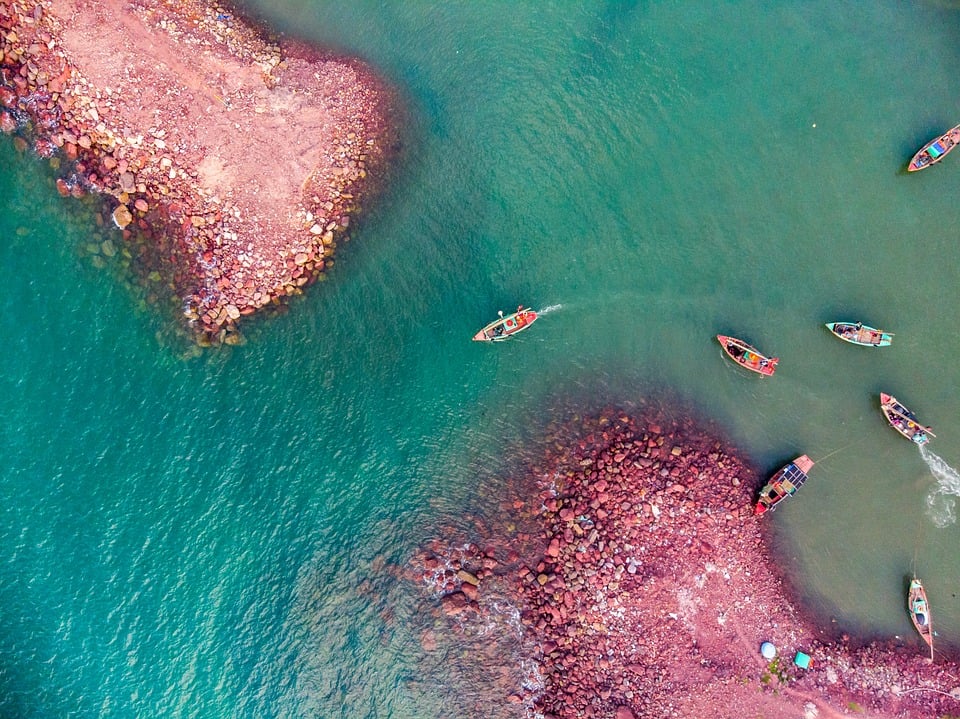
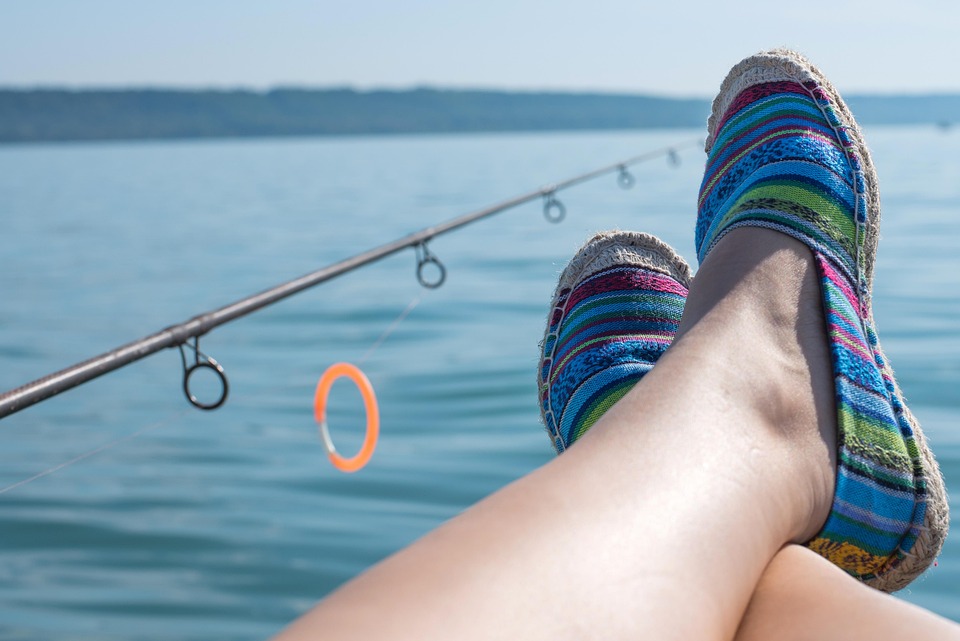


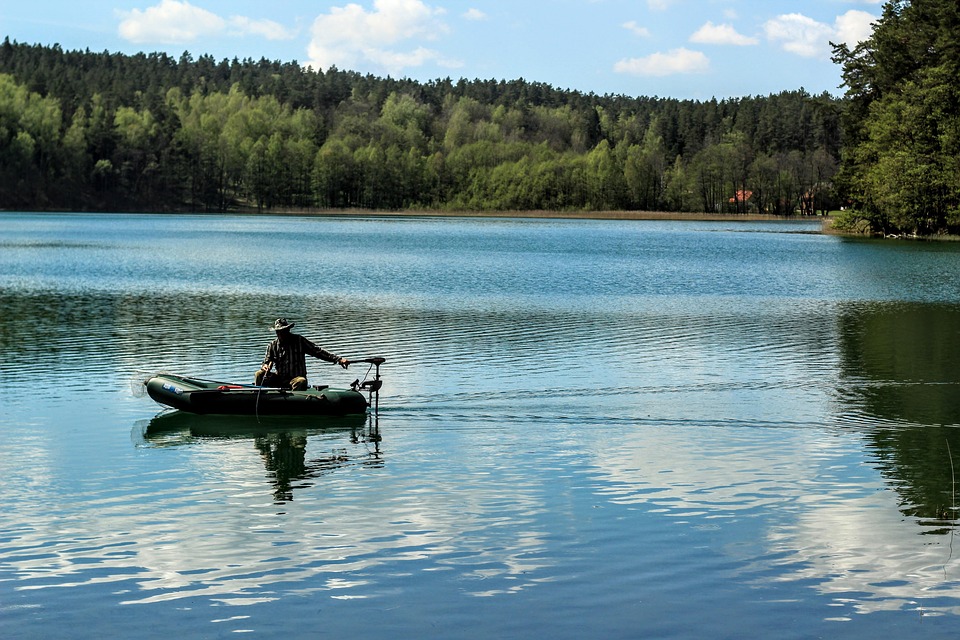
Bait fishing is a revered tradition among anglers of all skill levels, blending art, technique, and a touch of patience to bring in a successful catch. Whether you are casting from a boat on a serene lake or surreptitiously fishing from the shore, using live bait can drastically improve your chances of landing that big fish. This article delves deep into the techniques, tips, and tricks that make bait fishing a rewarding hobby.
Understanding Live Bait
One of the most critical components of bait fishing is the choice of bait. Live bait can range from worms and minnows to crickets and even shrimp, depending on what species you are targeting. Different fish species prefer different types of bait, so understanding what to use is the first step in your fishing journey.
For instance, bass anglers often rely on using worms, while catfish enthusiasts might opt for smaller fish like shad. Freshwater trout are typically attracted to worms and small minnows as well. By learning the preferences of your target species, you can significantly enhance your chances of success.
Preparing Live Bait
Before you embark on your fishing adventure, proper preparation of your live bait is essential. Here are some tips to ensure your bait remains lively and effective:
- Storage: Keep your live bait in a cool, aerated container. For worms, a simple worm box with moist bedding will suffice. Minnows require a small aerated cooler filled with water.
- Feeding: If you have time before your fishing trip, consider feeding your bait to ensure it is as lively as possible. A well-fed bait is more appealing to fish.
- Size Matters: Use bait that is appropriately sized for the fish species you are targeting. Larger bait can attract larger fish, but it may also deter smaller species.
Choosing Your Location
Choose the right spot for bait fishing is crucial as well. Fish tend to congregate in areas where they find food, cover, or favorable water conditions. Here are some tips for selecting the perfect fishing location:
- Structure: Look for underwater structures such as rocks, fallen trees, or weeds where fish can hide.
- Current: In rivers and streams, fish often position themselves in areas with a slight current. Look for spots where the water flows slower.
- Temperature: Fish prefer certain temperatures, so make sure you’re fishing in water that is comfortable for the species you target.
Baiting Techniques
How you present your bait can be just as important as the bait itself. Here are several popular techniques to effectively present your bait:
1. Bottom Fishing
This classic technique involves placing your bait on the bottom of the body of water you’re fishing in. Using a sinker, allow your bait to settle on the riverbed or lake bottom. The smell and movement of the bait will attract fish from a distance.
2. Float Fishing
Float fishing uses a bobber to keep your bait suspended in the water column at a predetermined depth. This is particularly effective in lakes and slow-moving waters. Adjust the depth based on where you suspect the fish may be.
3. Jigging
Jigging involves rhythmic motion to make your bait appear alive. This can attract predatory fish such as pike and bass. Use a slow lift followed by a drop to simulate a struggling baitfish.
Matching Your Gear
Using the proper gear in conjunction with your bait is essential for the best chance of landing a catch. Here are some key components to consider:
- Rod and Reel: Choose a setup that is appropriate for your target species. Light gear is often better for smaller fish, while heavier gear is appropriate for larger species.
- Line: Ensure that your fishing line is adequate for the weight of the fish you’re targeting. Heavier line is typically more durable.
- Hooks: Select hooks that are suitable for your bait size. A well-chosen hook will allow for a better hook set and improve your chance of catching the fish.
Time and Patience
Fishing is often touted as the art of waiting, and bait fishing is no exception. The best times to fish are typically early morning or late evening when fish are most active. However, patience is a virtue in fishing; spending time waiting for the fish to bite is often rewarded with a successful catch.
Staying Ethical and Respectful
Responsible anglers follow ethical fishing practices, which include:
- Adhering to local fishing laws and regulations, including size and bag limits.
- Practicing catch and release where warranted, especially for smaller or spawning fish.
- Maintaining clean fishing areas, taking care to pack out all trash and used bait containers.
Conclusion
Bait fishing is not just about the catch; it’s about the experience. From gathering the right bait to mastering techniques and respecting nature, every step holds its significance. Remember to stay patient, choose wisely, and enjoy the journey as much as the destination. Whether you’re a beginner or a seasoned angler, the art of bait fishing offers countless opportunities for adventure and connection with nature.
Frequently Asked Questions
1. What is the best live bait for bass fishing?
The best live bait for bass fishing typically includes shiners, worms, or crayfish. Each type of bait can produce great results, depending on the day and water conditions.
2. How should I store my live bait before a fishing trip?
Keep your live bait cool and well-aerated. A simple container with fresh water for minnows or a moist environment for worms is ideal.
3. Can I use artificial lures instead of live bait?
Yes, artificial lures can be effective as well. However, live bait often provides a more natural scent and movement that can attract fish more reliably.
4. What time of day is best for bait fishing?
Early morning and late evening are generally the best times to fish, as this is when fish are most active looking for food.
5. How do I know which size hook to use?
Choose a hook that is appropriate for your bait size. A good rule of thumb is that the hook should not be larger than the bait itself.
- advanced fishing techniques
- artificial bait fishing
- bait fishing
- boat fishing methods
- casting fishing
- deep sea fishing techniques
- drift fishing
- fishing knots techniques
- fishing methods
- fishing methods for beginners
- fishing rigs methods
- fishing strategy tips
- fishing techniques
- fly fishing techniques
- freshwater fishing techniques
- inshore trolling
- jigging fishing
- live bait fishing
- lure fishing methods
- modern fishing techniques
- offshore trolling
- popping fishing
- professional fishing methods
- saltwater fishing techniques
- shore fishing methods
- slow jigging
- spinning fishing
- topwater popping
- trolling fishing
- vertical jigging













Leave a comment