

















The crisp early morning air mingles with the salty fragrance of the ocean, igniting a sense of anticipation that pulses through the veins of anglers eagerly gathered at the marina. On the docks, boats sway gently, their hulls painted shades of blue and white. Today’s target? The elusive barracuda—a fish known for its razor-sharp teeth, explosive speed, and exhilarating fight, making it a prized catch for both recreational and professional anglers alike. In this exploration of barracuda fishing, we delve into the techniques, thrills, and the environmental significance of this remarkable species.
The Anatomy of a Barracuda
The barracuda is recognized for its elongated body, large jaws filled with sharp, needle-like teeth, and a streamlined figure designed for speed. With more than 20 species worldwide, the two most common encountered by fishermen are the Great Barracuda (Sphyraena barracuda) and the Spotted Barracuda (Sphyraena maculata). Great barracudas can grow up to six feet long and weigh over 100 pounds, making them a formidable opponent in any fishing expedition.
What truly sets barracudas apart, however, is their behavior. Known as ambush predators, they employ a mix of stealth and speed, launching surprise attacks on unsuspecting prey. This predatory nature not only makes them thrilling to catch but also plays a vital role in maintaining the balance of marine ecosystems.
The Thrills of the Chase
Picture this: standing on the edge of a boat with the sun glistening on the water, you cast your line into the depths. The wait is palpable, charged with anticipation. Moments later, you feel a tug—the unmistakable pull of a barracuda. Suddenly, the calm surface of the water erupts as the fish leaps, showcasing its athletic prowess.
This moment of connection—between angler and fish—creates a rush like no other. As the barracuda darts through the water, utilizing its remarkable agility to evade capture, every pull and run becomes a battle of wits and strength. To land one successfully demands skill, patience, and an understanding of the barracuda’s habits.
Techniques and Strategies
The allure of barracuda fishing lies not just in the catch, but in the art and science behind it. Here are some popular techniques used by anglers:
- Live Bait Fishing: Utilizing live bait like mackerel or grunts can be a highly effective strategy. Barracudas are attracted to the movement and scent of live prey.
- Chunking: This involves cutting bait into smaller pieces and chumming the water, creating a scent trail that lures barracudas close to the boat.
- Artificial Lures: Many anglers prefer using shiny lures, as barracudas are visually stimulated and often strike at gleaming objects that mimic fleeing fish.
- Trolling: This technique involves dragging lures behind a moving boat at high speeds, perfect for targeting barracudas that are chasing schools of fish.
Each method has its own charm, and experienced anglers often combine techniques to maximize their chances of landing a trophy fish. The key lies in experimenting with different approaches and observing what works best in varying conditions.
Season and Location: A Fisherman’s Guide
Understanding when and where to fish for barracuda can enhance the overall experience. In tropical and subtropical regions, barracuda can be found year-round. However, they tend to be more active during warmer months. Popular locations include:
- The Florida Keys: Known for its diverse marine life, it’s a hotspot for barracuda fishing.
- The Caribbean Sea: The clear waters of the Caribbean offer excellent visibility for both fishing and spotting barracudas.
- Hawaii: The Aloha State has abundant barracuda populations, particularly near reefs and rocky shorelines.
Local weather patterns and water temperatures also play pivotal roles in barracuda behavior. Anglers are encouraged to check local fishing reports and collaborate with local guides for the best advice on optimal fishing times and locations.
Conservation and Ethical Fishing Practices
While the thrill of barracuda fishing is intoxicating, it is essential to approach this sport with a sense of responsibility. Overfishing and habitat destruction are significant threats to the barracuda population and marine ecosystems. Here are some ways to engage in responsible fishing:
- Catch and Release: Practice catch and release when possible. This helps sustain barracuda populations for future generations.
- Use Barbless Hooks: Switching to barbless hooks can minimize injury to the fish, increasing their chances of survival post-release.
- Adhere to Regulations: Following local fishing regulations regarding size limits and seasons helps protect vulnerable fish species.
Conservation efforts are vital for the health of our oceans. Anglers can contribute by supporting organizations dedicated to preserving marine environments and sustainable fishing practices.
Community and Culture of Barracuda Fishing
Fishing for barracuda extends beyond the physical act; it fosters a community of enthusiasts who share stories, tips, and experiences. Many towns and cities with rich fishing traditions host annual barracuda tournaments where anglers come together to compete, celebrate, and bond over their shared passion.
These gatherings serve as platforms for knowledge exchange and even raise funds for marine conservation projects. The stories of epic battles with barracudas and the camaraderie among fellow anglers highlight the cultural significance of this fishing tradition.
Conclusion
Chasing barracuda is more than just a fishing expedition; it’s an adrenaline-fueled journey that connects anglers to the beauty of marine ecosystems and the thrill of the chase. With each catch comes a sense of achievement and a reminder of the responsibility we share as stewards of the ocean. As enthusiasts and advocates for sustainable practices, let us ensure that future generations can also experience the excitement and allure of barracuda fishing, embracing the challenge and celebrating the beauty of these magnificent creatures.
FAQs
What gear do I need for barracuda fishing?
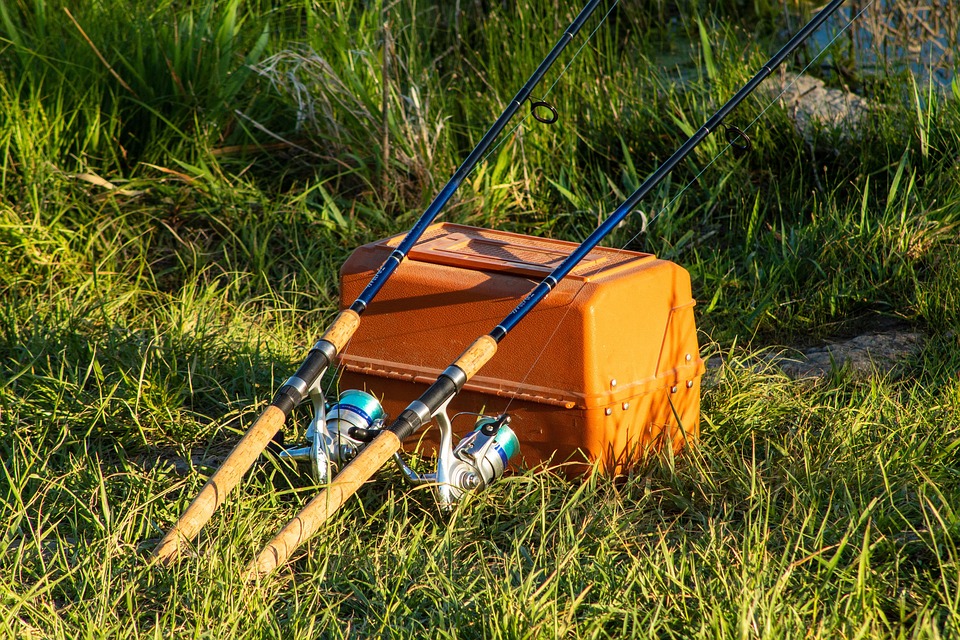
A medium to heavy-duty rod and reel setup is ideal, along with 15 to 30 lb monofilament or braided line. Don’t forget to bring a variety of lures and bait options!
Are barracuda safe to eat?
Yes, barracuda is edible, but caution should be taken due to the potential for ciguatera poisoning. Always check local advisories regarding safe consumption.
What is the best time of day to fish for barracuda?
Early morning and late afternoon are typically the best times to target barracuda, as they are more active during these periods.
Can I catch barracuda from shore?
Yes, many anglers successfully catch barracuda from shore, especially in coastal areas where they frequent shallow waters.
What’s the world record for the largest barracuda?
The current world record for the largest barracuda is 105 pounds, caught in 1979 off the coast of Florida. However, records may vary depending on the agency you consult.
- barracuda fishing
- beach fishing
- big game fishing
- bluewater fishing
- boat fishing
- coastal fishing
- deep ocean fishing
- deep sea fishing
- drift fishing
- grouper fishing
- jigging fishing
- kingfish fishing
- mahi mahi fishing
- marlin fishing
- ocean fishing
- offshore fishing
- pier fishing
- reef fishing
- sailfish fishing
- saltwater angling
- saltwater fishing
- saltwater fishing guides
- shark fishing
- shore fishing
- snapper fishing
- sport fishing
- surf fishing
- trolling fishing
- tuna fishing













Leave a comment