











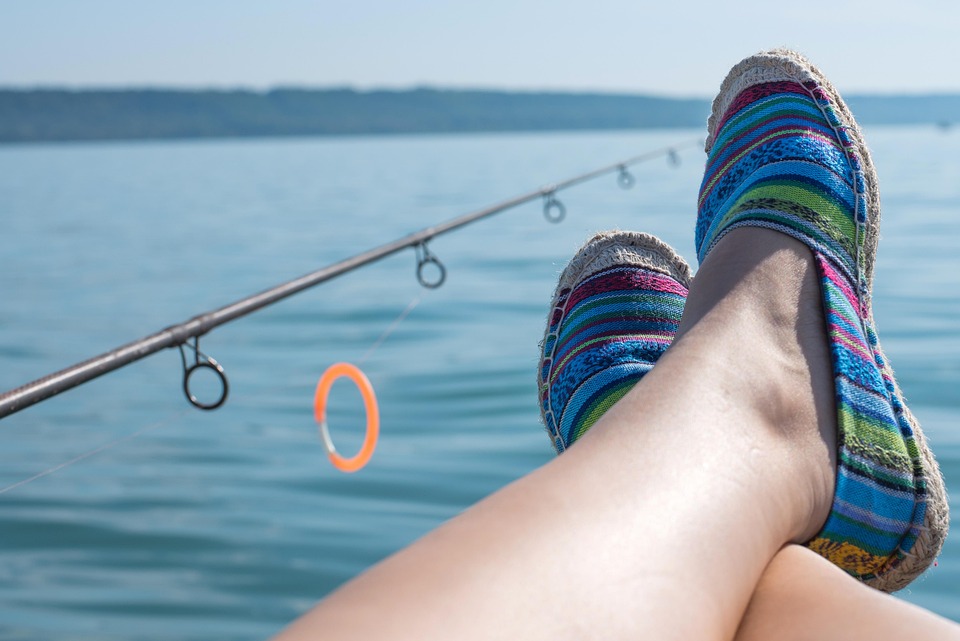


For many fishing enthusiasts, there’s nothing quite like the thrill of predator angling. Targeting species like pike, bass, and muskie can be an exhilarating experience that demands skill, patience, and a solid understanding of aquatic ecosystems. In this comprehensive guide, we’ll delve into the essential elements of mastering the waters, providing tips, techniques, and strategies that can lead you to not just catch fish, but to become a more proficient angler.
Understanding Predator Fish
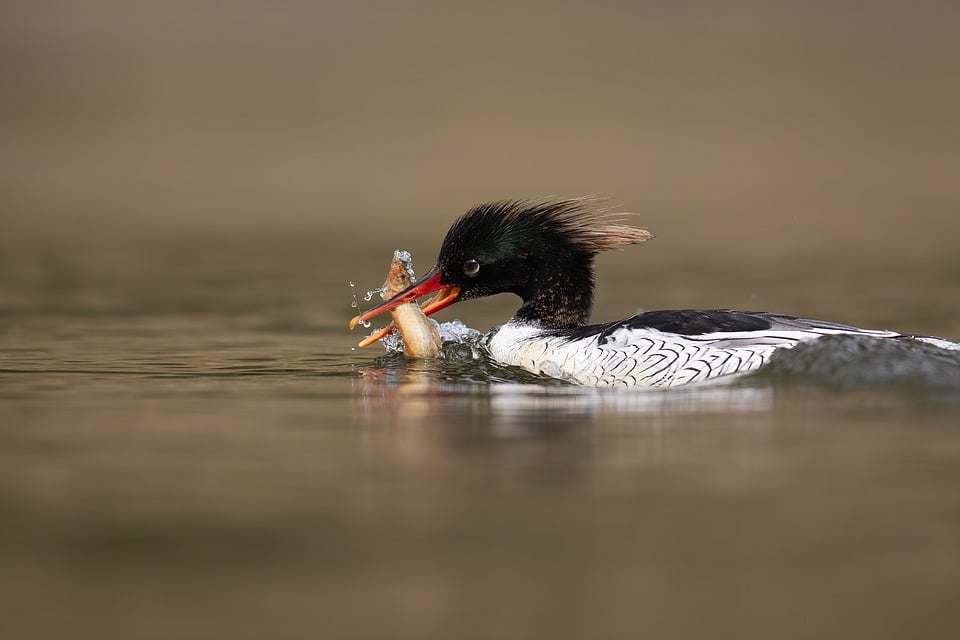
Before diving into the strategies of predator angling, it’s essential to understand what makes these fish tick. Predator species are typically characterized by their aggressive feeding habits and preference for live bait or lures that mimic their natural prey.
Key Species
- Pike: Known for their sharp teeth and aggressive nature, pike are found in freshwater lakes and rivers across North America and Europe.
- Bass: Including both largemouth and smallmouth bass, these fish are known for their strong fights and are a favorite among anglers.
- Muskie: Often called the “fish of 10,000 casts,” muskies are elusive and require specific tactics due to their size and intelligence.
The Anatomy of Predator Angling
To master predator angling, one must consider several elements: the gear, techniques, location, and seasonal patterns.
Essential Gear and Equipment
Your success in predator angling largely depends on having the right gear. Here are the key components:
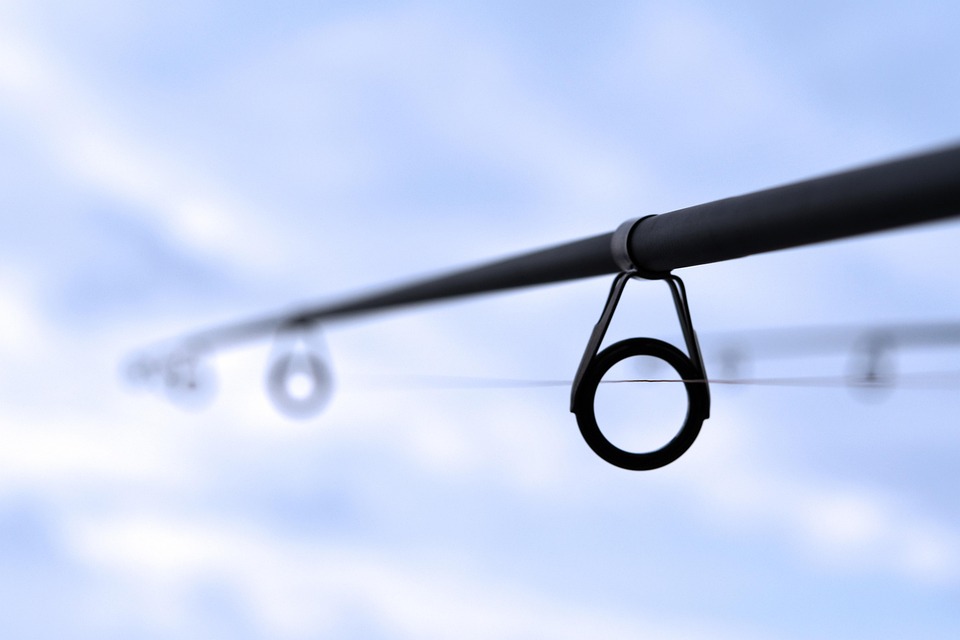
- Rod and Reel: A sturdy rod that can handle the weight and fight of predator species is crucial. For most freshwater predators, a medium to heavy action spinning or baitcasting rod paired with a quality reel will be sufficient.
- Line: Braided line is often recommended due to its strength and sensitivity. A test line of 30–65 lbs is generally effective for larger species.
- Lures and Baits: Use a range of lures like crankbaits, spinnerbaits, and topwater plugs to simulate the movement of prey. Live bait, such as minnows, can also be highly effective.
Location and Habitat
Understanding where to find predator fish is just as vital as knowing how to catch them. These fish often congregate in specific habitats:
- Weed Beds: Dense vegetation provides cover for prey fish, making it a prime hunting ground for predators.
- Drop-Offs and Structure: Areas where the depth changes suddenly, such as underwater structures and submerged rocks, often attract predator species.
- Current Areas: In rivers, look for currents where bait fish may gather, as predators often lurk nearby.
Seasonal Patterns
Fishing for predators can vary greatly with the seasons. Here’s how to adjust your strategies:
- Spring: As the water warms, fish become more active. Look for them in shallow waters where they spawn.
- Summer: Predators often retreat to deeper waters or seek shade during the hottest parts of the day, making early mornings or late evenings optimal for fishing.
- Fall: Fish fatten up for winter during this time, and you can find them actively feeding in preparation for colder months.
- Winter: Ice fishing can be a viable option, but success depends largely on locating temperature breaks or deeper structures.
Essential Techniques for Predator Angling
Once you have your gear and location, it’s time to hone your techniques. Here are some effective methods to attract and catch predator fish:
Topwater Fishing
This method is exciting and visual, as it involves lures that float on the water’s surface. Fish often strike aggressively, providing an adrenaline rush.
Jigging
Using jigs allows for precise control over the lure’s movement, making it easier to mimic the erratic behavior of injured prey. This technique is particularly effective in deeper waters.
Retrieval Techniques
Vary your retrieval speed to entice strikes. Sudden jerks followed by pauses can simulate a fleeing baitfish, making it irresistible to predators.
Live Bait Fishing
When using live bait, ensure the bait is active and healthy, as this can significantly increase your chances of attracting predator fish.
Conservation and Ethical Fishing
As anglers, it’s our responsibility to practice sustainable fishing. Always abide by local regulations regarding size and bag limits, and consider catch-and-release practices to ensure the future of predator fishing. Additionally, educate yourself on the local ecosystem and the importance of maintaining balance within aquatic habitats.
Conclusion
Mastering predator angling is a rewarding pursuit that combines knowledge, skill, and a deep appreciation for nature. By understanding the behavior of your target species, equipping yourself with the right tools, employing effective techniques, and respecting the environment, you can not only catch more fish but also contribute to the sustainable future of the sport. Whether you’re a seasoned pro or just starting, each fishing trip brings with it the promise of adventure and discovery. So gear up, hit the water, and enjoy the thrill of the chase!
FAQs
What is the best time of day to fish for predators?
Early morning and late evening are generally the best times for predator fishing, as fish are often more active during these periods.
What type of lures work best for predator fish?
Effective lures include crankbaits, spinnerbaits, and topwater plugs, which can mimic the movements of baitfish.
Is it better to use live bait or artificial lures?
Both have their advantages. Live bait can be more appealing to fish, but artificial lures allow for more versatility and ease of use.
How can I ensure sustainable fishing practices?
Follow local fishing regulations, practice catch and release, and educate yourself on the aquatic ecosystem to help promote sustainability.
Are there techniques specific to certain predator species?
Yes, techniques can vary based on the species. Research the target fish’s behavior and habitat for the most effective strategies.
- advanced predator fishing
- aggressive fish fishing
- barracuda fishing
- barracuda lure fishing
- freshwater predator fishing
- large predator fishing
- muskie fishing
- muskie lure fishing
- pike fishing
- pike lure fishing
- predator angling
- predator fishing
- predator fishing baits
- predator fishing destinations
- predator fishing for beginners
- predator fishing gear
- predator fishing guides
- predator fishing lures
- predator fishing reels
- predator fishing rigs
- predator fishing rods
- predator fishing seasons
- predator fishing spots
- predator fishing tactics
- predator fishing techniques
- predator fishing tips
- predatory fish fishing
- saltwater predator fishing
- zander fishing
- zander jigging









Leave a comment