









Jigging, a popular fishing technique that involves rapid vertical movements of a lure, has captivated anglers the world over. While the method of jigging can be straightforward, the secret to success lies in a more intricate understanding of seasonal patterns and the timing of fish migrations. This article explores how seasonal changes significantly impact jigging success, delving into the biological and environmental factors that dictate fish behavior throughout the year.
The Science of Seasonal Fish Patterns
Fish species exhibit migratory behavior influenced by several environmental factors, which vary with the seasons. Understanding these factors allows anglers to optimize their jigging techniques. Key considerations include water temperature, spawning cycles, and prey availability.
Water Temperature
Water temperature is one of the most significant variables affecting fish behavior. Most freshwater species prefer specific temperature ranges. For example, bass become active when water temperatures range from 60°F to 75°F (16°C to 24°C), while walleye thrive between 50°F and 70°F (10°C to 21°C). Therefore, knowing the seasonal temperature fluctuations can help anglers determine the best times for jigging.
Spawning Cycles
Spawning seasons vary widely among species. For instance, many northern pike spawn in early spring when water temperatures reach around 45°F (7°C). During spawning, fish are often less likely to bite, but they can be found in predictable areas, making it a prime time for specialized jigging tactics. Conversely, post-spawn times can lead to aggressive feeding behavior as fish recuperate and search for food.
Prey Availability
The abundance and type of prey available to fish shifts with the seasons. Understanding what fish are feeding on can directly influence jigging success. For example, during the summer months, species like bluegill can dominate the diets of predatory fish. Having knowledge of local forage can allow anglers to mimic these prey items more effectively with lures.
Monthly Breakdown of Seasonal Patterns
January – February: Winter Blues
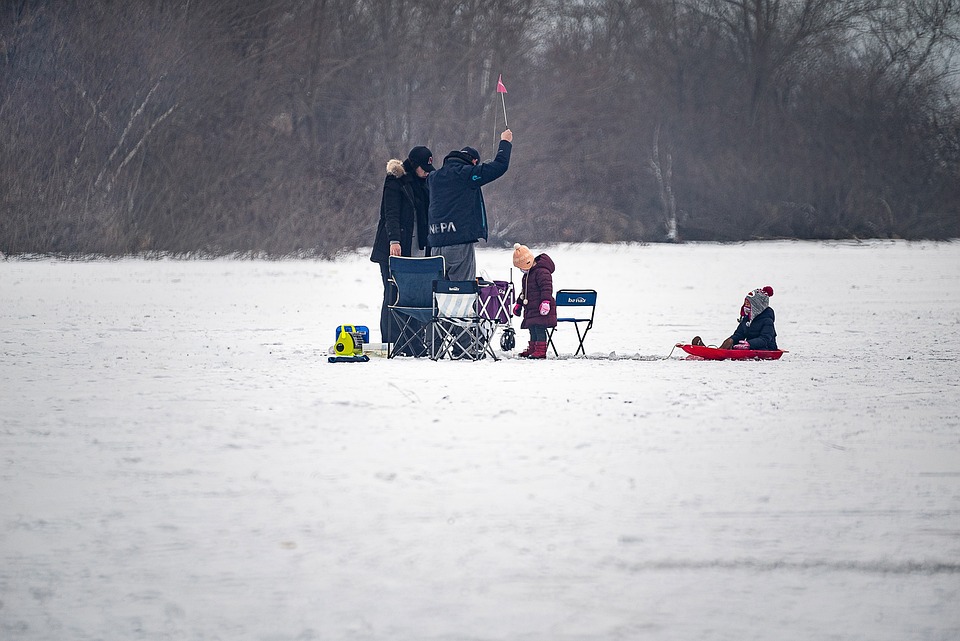
As temperatures drop, many species retreat to deeper waters or decrease their activity levels. Ice fishing techniques often replace traditional jigging, but for those in milder climates, slow-moving jigs are effective just above the bottom, targeting lethargic fish.
March – April: The Awakening
With the approach of spring, fish begin to migrate towards shallower waters. March marks an excellent time for jigging, especially for species like crappie and walleye. Anglers should focus on areas with submerged structures where fish are preparing to spawn.
May – June: Spring Fever
This period offers some of the best jigging opportunities as the spawn kicks into full gear. Fish are aggressive and hungry, leading to increased success rates. Opt for bright, flashy jigs to attract attention amidst the surge of baitfish.
July – August: Summer Strategy
As water temperatures rise, many fish seek cooler depths or shaded areas. Depth becomes crucial, and anglers may need to adjust their jigs to penetrate deeper waters efficiently. Early morning or late evening jigging can yield good results when temperatures are lower and fish are more active.
September – October: Fall Frenzy
Fall is a transitional period where fish begin to feed voraciously in preparation for winter. The water cools, leading to increased foraging behavior. Effective jigging during this time relies on matching the forage size and color, mimicking what fish are chasing.
November – December: Late-Year Lull
As temperatures drop again, fishing can become challenging. Fish retreat to deeper waters, and angling pressure increases as enthusiasts seek to catch the last of the season’s fish. Slow, methodical jigging paired with finesse tactics can still yield results.
Best Practices for Seasonal Jigging Success
Understand Local Ecosystems
Every body of water is unique, making local knowledge invaluable. Engage with local fishing communities, read reports, and communicate with bait shops to understand seasonal trends in your preferred locations.
Timing Your Outings
Plan your fishing outings around peak feeding times, which are often dawn and dusk. These periods provide optimal conditions for jigging as fish become more active.
Adjust Techniques Based on Conditions
The conditions on the water—wind, weather, and light levels—can all dictate the success of your jigging. Be prepared to change your approach based on these factors: use lighter jigs on calm days and heavier jigs when there’s more wind.
Conclusion
Understanding seasonal patterns in jigging success is a continual learning process deeply rooted in biology and environmental science. By considering factors such as water temperature, spawning cycles, and prey availability, anglers can significantly enhance their success rates throughout the year. The beauty of jigging lies not only in the technique but also in the intricate relationship between an angler’s knowledge and the natural rhythms of aquatic life. Equip yourself with patience and understanding, and you’ll find that timing is indeed everything when it comes to jigging.
FAQs
1. What is the best time of year for jigging?
The best time of year for jigging varies by species, but generally, late spring and early fall are peak seasons as fish are actively feeding.
2. How does water temperature affect fish behavior?
Water temperature can influence fish metabolism and activity levels, as many species prefer specific temperature ranges for optimal feeding.
3. What types of jigs work best during different seasons?
In spring and early summer, bright jigs mimic spawning baitfish. In fall, more natural colors that resemble local forage tend to be more effective.
4. Are there specific jigging techniques for different seasons?
Yes, techniques can vary; for instance, slower retrieves in colder months and faster, more erratic movements in warmer months can yield better results.
5. How can I find local fishing reports?
Local bait shops, online fishing forums, and social media groups are excellent resources for finding current fishing reports and seasonal trends.
- bait fishing seasons
- bass fishing seasons
- best fishing times
- bluegill fishing seasons
- carp fishing seasons
- catfish fishing seasons
- crappie fishing seasons
- fishing seasons
- fly fishing seasons
- inshore fishing seasons
- jigging seasons
- marlin fishing seasons
- muskie fishing seasons
- offshore fishing seasons
- panfish fishing seasons
- pike fishing seasons
- popping seasons
- sailfish fishing seasons
- salmon fishing seasons
- seasonal fishing for beginners
- seasonal fishing guides
- seasonal fishing guides worldwide
- seasonal fishing strategies
- seasonal fishing tips
- shark fishing seasons
- spinning fishing seasons
- trolling seasons
- trout fishing seasons
- tuna fishing seasons
- walleye fishing seasons
- zander fishing seasons









Leave a comment