
















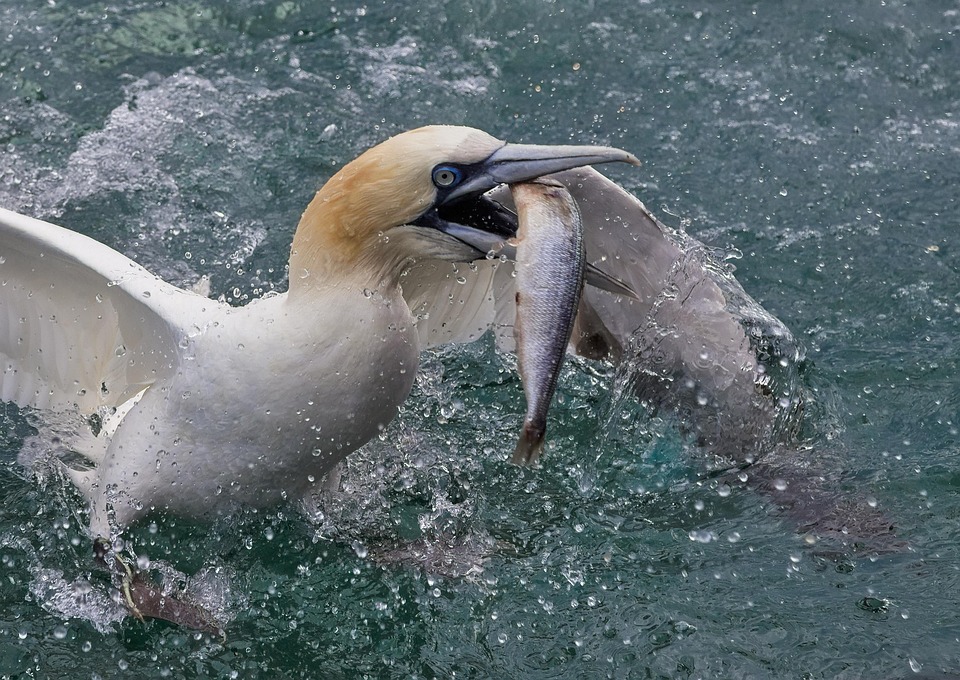
Fishing is a time-honored tradition enjoyed by millions across the globe, offering a unique blend of relaxation and adrenaline. For newcomers, embarking on this journey can be both exciting and daunting. Understanding the fundamentals of fishing is crucial for a successful start. This article explores the essentials every new angler needs to know—covering equipment, techniques, locations, and etiquette.
Understanding the Basics of Fishing
Fishing involves catching fish for recreational or commercial purposes. While it may seem simple, there are various types of fishing—each requiring different skills and gear. The primary forms include:
- Freshwater Fishing: Involves fishing in rivers, lakes, and ponds.
- Saltwater Fishing: Takes place in oceans, attracting different species.
- Fly Fishing: A specialized technique using artificial flies to lure fish.
Regardless of the type you choose, every angler must grasp the core techniques before hitting the water.
Choosing the Right Gear
Your fishing experience largely depends on the quality and suitability of your gear. Here’s a breakdown of essential items:
1. Fishing Rod
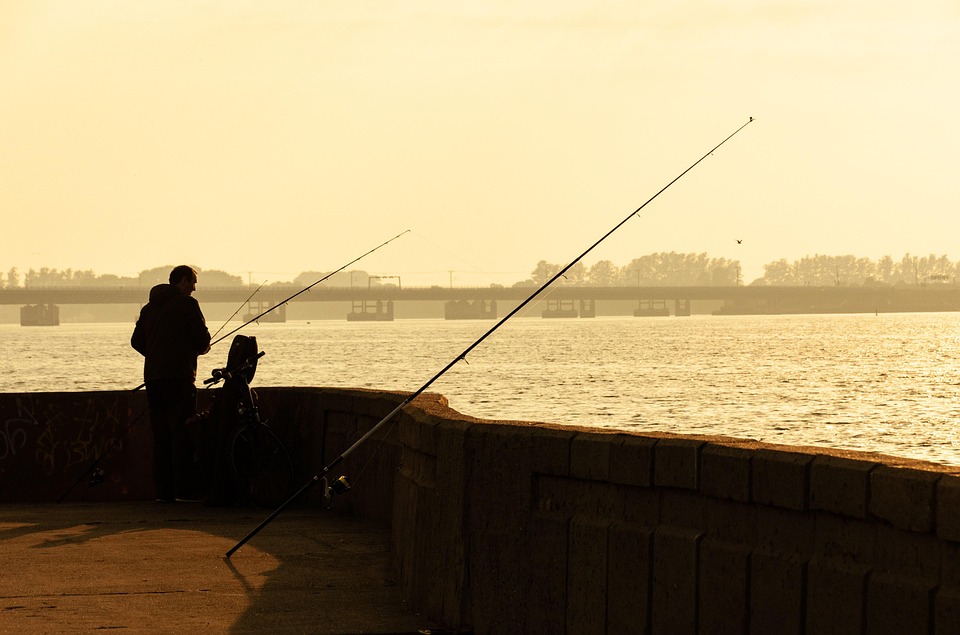
Your fishing rod should match the type of fishing you’re engaging in. Common lengths range from 5 to 10 feet. A lightweight rod is ideal for freshwater, while sturdier rods are suitable for saltwater. When selecting, consider:
- Material: Graphite and fiberglass are common choices. Graphite offers sensitivity, while fiberglass provides durability.
- Power: This refers to the rod’s strength. Options range from ultra-light to heavy.
2. Fishing Reel
The reel is crucial as it holds the fishing line. There are three main types:
- Spinning Reel: Best for beginners due to ease of use.
- Baitcasting Reel: Offers greater accuracy but has a steeper learning curve.
- Fly Reel: Specifically for fly fishing, designed to hold a lighter line.
3. Fishing Line
The fishing line connects you with the fish. Different materials—monofilament, fluorocarbon, and braided—offer varying benefits such as strength and invisibility in water.
4. Lures and Bait
Bait can be live, such as worms or minnows, or artificial like lures. When selecting bait, consider:
- Target Species: Certain fish are more attracted to specific types of bait.
- Seasonal Changes: Fish feeding habits can vary by season, impacting bait choice.
5. Additional Gear
Do not overlook the importance of accessories:
- Tackle Box: Essential for organizing lures, hooks, and other tools.
- Fish Finder: A helpful electronic device for locating fish.
- Rod Holder: Keeps your rod in place while waiting for a bite.
- Protective Clothing: Ensure proper clothing for fishing conditions, such as a hat for sun protection and waterproof shoes.
Fishing Techniques for Beginners
Once you have the right gear, learning essential fishing techniques is the next step. Here are a few beginner techniques to master:
1. Casting
Proper casting is critical. Start with the spinning rod held in one hand near the reel. Open the bail (the wire arm on the reel) and hold the line with your finger. Raise the rod behind you and swiftly cast it forward while releasing the line at the right moment. Practice makes perfect.
2. Retrieving
The retrieval process is just as essential as casting. Experiment with different retrieval speeds and techniques to see what attracts fish. They can be caught through various methods, including:
- Straight Retrieval: Reeling in the line steadily.
- Popping: Creating disturbances at the water’s surface.
- Twitching: Moving the bait slightly to mimic prey.
3. Setting the Hook
When you feel a tug on the line, it’s time to set the hook. A quick, firm tug upwards will secure the hook in the fish’s mouth. Timing is critical; wait until you feel consistent pressure before setting the hook.
Understanding the Fishing Environment
Choosing the right fishing location is vital. Here’s what you need to know:
1. Freshwater Locations
Common freshwater locations include lakes, rivers, and ponds. Each habitat attracts different fish species. It’s best to understand the biology of the fish in your chosen area to increase your chances of success.
2. Saltwater Locations
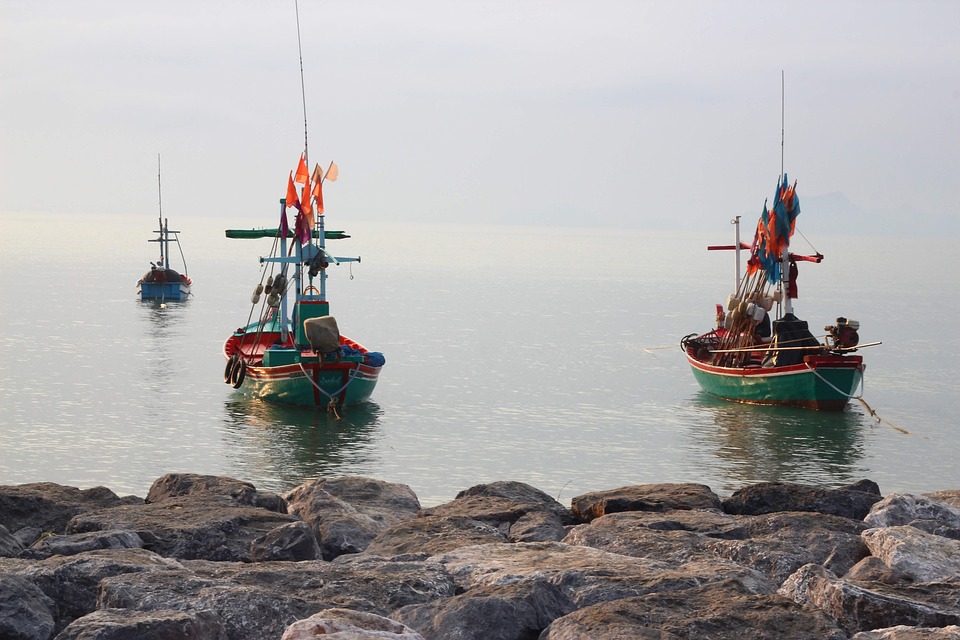
Whether fishing from a boat or the shore, saltwater offers varied environments. Look for rocky outcrops, reefs, and estuaries as they often teem with marine life.
3. Time of Day and Weather Conditions
The time of day significantly impacts fish behavior. Early mornings and late evenings tend to be the most active times. Additionally, weather systems can play a role in fish activity. Overcast skies can make fish more active, while bright sun might push them deeper into the water.
Etiquette and Conservation
As a new angler, proper etiquette and conservation practices should guide your actions. Respect for the environment and fellow anglers is paramount:
- Follow Local Regulations: Always check local fishing regulations, including license requirements and designated fishing zones.
- Catch and Release: Practice catch and release when possible to conserve fish populations.
- Clean Up: Dispose of trash responsibly to protect aquatic habitats.
- Be Courteous: Respect fellow anglers’ space and avoid crowding productive fishing areas.
Conclusion
Fishing not only provides an opportunity for relaxation and adventure but also fosters a deeper understanding of the natural world. As a new angler, arming yourself with the right equipment, techniques, and knowledge is essential. With practice, patience, and a respect for the environment, you will undoubtedly enjoy a rewarding fishing experience. Remember that mastery comes with time, so embrace each outing as a chance to learn, grow, and connect with nature. Happy fishing!
FAQs
1. Do I need a fishing license as a beginner?
Yes, most places require a fishing license. Check local regulations for specific requirements in your area.
2. What’s the best time of year to start fishing?
Spring and fall are typically the best seasons for fishing, as many species are more active during these times.
3. What should I wear while fishing?
Wear comfortable clothing suitable for the weather, including sunscreen and a hat for sun protection. Waterproof shoes are also recommended.
4. How do I know if I have a fish on the line?
You’ll feel a tug on the line or see the rod bending. It’s essential to stay alert and attentive.
5. Can I fish from shore, or do I need a boat?
You can absolutely fish from shore! Many successful anglers catch fish without needing a boat.
- beginner bass fishing
- beginner carp fishing
- beginner catfish fishing
- beginner fishing advice
- beginner fishing baits
- beginner fishing gear
- beginner fishing guides
- beginner fishing guides online
- beginner fishing knots
- beginner fishing lures
- beginner fishing mistakes
- beginner fishing reels
- beginner fishing rods
- beginner fishing strategies
- beginner fishing techniques
- beginner fishing tips
- beginner fishing trips
- beginner fishing tutorials
- beginner fishing videos
- beginner fly fishing
- beginner freshwater fishing
- beginner muskie fishing
- beginner panfish fishing
- beginner pike fishing
- beginner saltwater fishing
- beginner trout fishing
- fishing basics
- fishing for beginners
- how to fish
- new anglers tips










Leave a comment