


















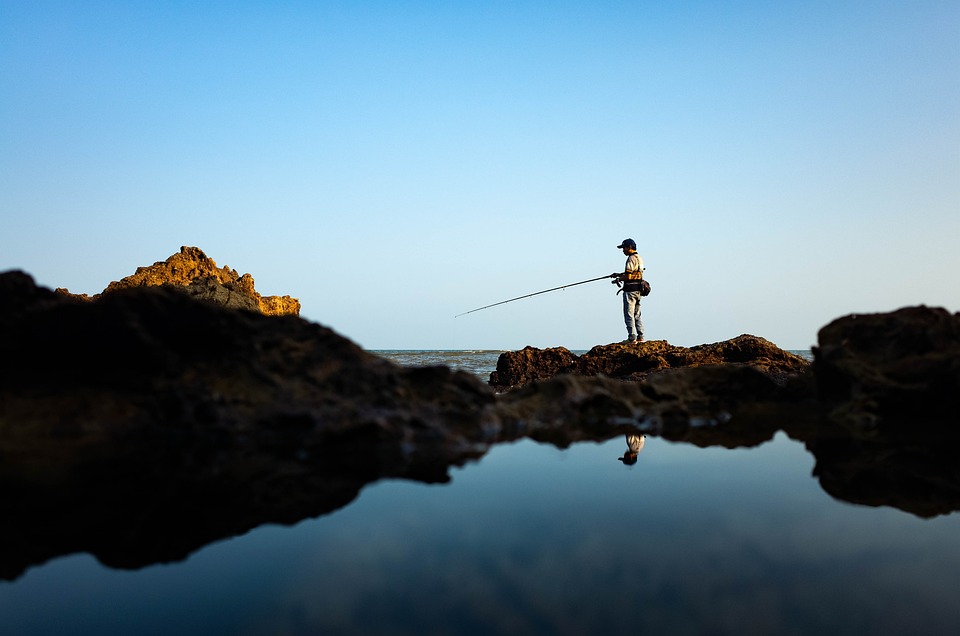
Trout fishing is not just a pastime; it’s a passion that connects many to the great outdoors. Whether you’re standing on the bank of a brisk river, sitting in a boat on a serene lake, or casting from a rocky shoreline, the thrill of landing a trout can be nothing short of invigorating. This article dives deep into the techniques and strategies that appeal to everyone from beginners to seasoned anglers aiming to enhance their craft.
Understanding Trout Species
Before you dive into techniques, it’s crucial to understand the various species of trout. Most anglers will encounter three primary types:
- Rainbow Trout: Recognizable by their vibrant colors, these fish are highly adaptable and can be found in various habitats.
- Brown Trout: These are known for their elusive nature and require strategy and patience to catch. Their diet consists mainly of insects and smaller fish.
- Brook Trout: These are often found in cold, clear streams and are recognized by their colorful markings and dorsal fin.
Essential Gear for Trout Fishing
The right gear is paramount for a successful fishing experience. Here is a comprehensive list of essential equipment:
Fishing Rod and Reel
A medium-light spinning rod paired with a spinning reel is ideal for beginners. A length of 5-7 feet offers better control and precision.
Fishing Line
Fluorocarbon line is preferred for trout fishing due to its low visibility underwater. A 4- to 8-pound test line provides a good balance between strength and stealth.
Baits and Lures
Choosing the right bait can make or break your fishing experience. Options include:
- Live Bait: Worms, minnows, and crickets are excellent choices.
- Artificial Lures: Spinners, spoons, and soft plastics often mimic the natural prey of trout.
Techniques for Beginners
If you’re new to trout fishing, start with these foundational techniques:
1. Bobber Fishing
This technique is perfect for beginners. Attach a bobber to your line to keep your bait at the desired depth. Once a trout bites, the bobber will dip, signaling that it’s time to reel in.
2. Bottom Fishing
For this method, use a sinker to keep your bait on the bottom where trout often feed. Choose a small hook and let the weight settle before starting to reel.
3. Stream Fishing
Trout are often found in flowing water, so casting your line upstream can make the bait drift naturally toward the fish. Use lighter lures that mimic natural prey in the current.
Advanced Techniques for Experts
This artful method requires practice and skill. Using lightweight lures (flies), anglers can replicate the movement of insects on the water’s surface. Pay attention to casting technique and fly selection to improve effectiveness. This method involves pulling lures behind a boat at slow speeds. It allows you to cover a wider area and reach deeper waters where trout may be lurking. Ideal for rivers, this technique relies on natural water flow. Cast your line upstream and allow it to drift down without reeling. This mimics how fish naturally feed. Success in trout fishing often depends on when and where to fish. Early mornings and late evenings are the prime times as fish are actively feeding. Additionally, consider the seasons:1. Fly Fishing
2. Trolling
3. Drift Fishing
Timing and Location
Conservation and Regulation
It’s essential for every angler to respect the environment. Adhere to local fishing regulations—these laws exist to maintain fish populations and ecosystems. Practice catch and release when possible and report any illegal activities you may witness.
Conclusion
In summary, trout fishing can be both a relaxing and exhilarating activity, appealing to novices eager to learn and experts looking to hone their skills. By understanding different trout species, harnessing the right equipment, and applying both foundational and advanced techniques, anyone can enhance their fishing experience. Remember that each fishing trip offers an opportunity not just to catch fish but to connect with nature and build lasting memories.
FAQs
1. What is the best time to fish for trout?
The best times are early morning and late evening, especially during spring and fall. Trout tend to be most active during these hours.
2. Do I need a fishing license?
Yes, you typically need a fishing license to fish in public waters. Check your local regulations for specific requirements.
3. Is fly fishing harder than regular fishing?
While fly fishing can be more challenging due to the techniques involved, many find it rewarding once they master it. Consider taking lessons if you’re new to it.
4. What bait works best for trout?
Natural baits like worms and minnows are effective, as are artificial lures that mimic their prey. It often depends on the conditions and the specific trout species.
5. How can I ensure the survival of released trout?
To ensure the survival of released trout, handle them with wet hands, minimizing stress, and release them gently back into the water quickly.
- bass fishing
- Bluegill Fishing
- carp fishing
- catfish fishing
- Crappie Fishing
- freshwater angling
- freshwater bait fishing
- freshwater fishing
- freshwater fishing gear
- freshwater fishing guides
- freshwater fishing species
- freshwater fishing techniques
- freshwater fishing tips
- freshwater fly fishing
- freshwater spinning fishing
- inland fishing
- lake fishing
- lakes fishing
- largemouth bass fishing
- muskie fishing
- panfish fishing
- Perch Fishing
- pike fishing
- pond fishing
- reservoir fishing
- reservoirs fishing
- river fishing
- rivers fishing
- Salmon Fishing
- smallmouth bass fishing
- stream fishing
- Tilapia Fishing
- Trout Fishing
- Walleye Fishing













Leave a comment