

















As families look for ways to step away from screens and reconnect with nature, river fishing emerges as a captivating and versatile outdoor activity. This multifaceted adventure offers a blend of relaxation, excitement, and the chance to teach children valuable skills. But why is river fishing suddenly gaining traction as the ultimate family bonding experience? Let’s dive into the reasons you should consider this new family adventure.
The Allure of Freshwater Landscapes
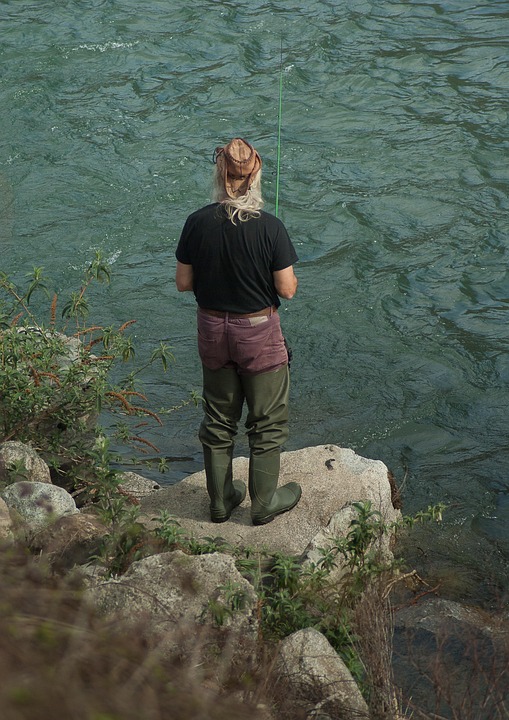
There’s something inherently calming about rivers. Meandering through forests, valleys, and across plains, rivers create vibrant ecosystems filled with life. For many families, river fishing presents a tranquil escape from city life, a chance to immerse themselves in nature’s beauty. The combination of rustling leaves, the sound of flowing water, and the feel of a gentle breeze creates a serene ambiance. Unlike commercial fishing spots, which can often feel crowded and commercialized, rivers offer secluded spots where families can enjoy a bit of solitude.
Health Benefits for the Whole Family
In today’s fast-paced world, prioritizing health and wellness is crucial. River fishing is an excellent way for families to engage in outdoor activities that promote physical fitness. Here are a few health benefits that come with embracing this activity:
- Physical Activity: Casting a line, walking along the bank, and tackling the occasional slippery rock gets everyone moving. Not only is this a good workout, but it also promotes cardiovascular health.
- Mental Health: Being in nature has been shown to relieve stress, reduce anxiety and depression, and boost overall mood. A family day by the river allows for mindfulness and a break from the hectic daily grind.
- Quality bonding time: The shared goal of catching fish fosters teamwork and communication, allowing families to bond and create lasting memories.
Teaching Lifelong Skills
Fishing is not just about catching fish; it’s also about learning and mastering various skills that can benefit participants for a lifetime. Here are some pertinent skills children and parents can learn together:
- Patience: Fishing takes time and requires a calm demeanor. Learning to wait for a catch teaches children the importance of patience—a skill that can be applied in all aspects of life.
- Problem Solving: From selecting the right bait to choosing the best fishing spot, families can engage in critical thinking to enhance their chances of success.
- Environmental Awareness: As families spend time by the river, they can learn about local ecosystems and the importance of conservation, fostering a love for preserving nature.
An Affordable Family Activity
Budget is often a concern for families looking to spend quality time together. River fishing is an affordable adventure that doesn’t require expensive gear or trips to commercial venues. Basic equipment includes:
- Fishing rods and reels: These can typically be rented or purchased at reasonable prices.
- Bait: Depending on the target fish, bait can range from worms to artificial lures, most of which are budget-friendly.
- Licenses: While some locations require fishing licenses, they are often inexpensive and can be obtained online.
With a bit of preparation and minimal investment, families can create memorable experiences without breaking the bank.
Adapting to All Ages and Skill Levels
One of the best aspects of river fishing is its adaptability. Whether you’re fishing with toddlers or teenagers, the activity can be tailored to suit any age group or skill level. For beginners, catch-and-release methods can be introduced, making it educational and fun without the pressure of keeping fish. Older children and adults can take on more challenging techniques such as fly fishing or deep-water casting, making the adventure rewarding regardless of the group’s experience level.
Environmental and Community Impact
Engaging in river fishing can also have positive community implications. Families become more invested in their local environments, which can lead to community conservation efforts. By fishing responsibly, families can contribute to local economies that thrive on eco-tourism and sustainable practices.
Moreover, bonding over shared experiences sparks conversations about environmental stewardship. Teaching kids the importance of clean water, conservation, and respecting wildlife fosters a sense of community responsibility that can last a lifetime.
Making it a Tradition
River fishing can easily evolve into an annual family tradition, offering a built-in opportunity to reconnect each year. Just like camping or going to the beach, designating a fishing season allows families to anticipate these adventures. As children grow, they can take on more responsibilities, evolving from passive participants to leaders guiding younger siblings or friends on fishing trips.
The beauty of these traditions lies in their simplicity. They don’t require elaborate planning or expensive destinations, allowing families to enjoy spontaneous adventures. A last-minute decision to spend the day at the river can sometimes create the most cherished memories.
Conclusion
The rise of river fishing as a family adventure is not merely a trend; it represents a return to our roots, a way for families to engage with the environment while bonding over shared experiences. By stepping away from technology and immersing themselves in nature, families can promote physical health, mental well-being, and learn important life skills while creating lasting memories. The allure of river fishing is that it’s accessible, adaptable, and deeply rewarding, merging education, recreation, and family bonding into one enjoyable experience. So pack a picnic, grab your gear, and embark on the river fishing adventure awaiting you and your family!
FAQs
1. What gear do I need for river fishing as a beginner?
As a beginner, start with a simple spinning rod and reel, some basic tackle (hooks, weights, and bobbers), and live bait like worms or minnows. You might also want a fishing tackle box for organization.
2. Do I need a fishing license?
Yes, most states require a fishing license for anyone over a certain age, typically 16 or 18. Make sure to check local regulations before heading out.
3. What’s the best time of day to go fishing?
Early mornings and late afternoons are generally the best times to fish. Fish tend to be more active during these cooler times of day.
4. How do I know where to fish?
Look for popular local fishing spots, either through online resources or by asking local anglers. Pay attention to areas with structure like rocks, vegetation, or deeper pools.
5. What species can I catch while river fishing?
This varies by location, but common species include trout, bass, catfish, and panfish. Research local species to determine the best target for your fishing outing.
6. Can river fishing be done year-round?
Yes, many river fishing adventures can be enjoyed throughout the year, though specific fishing regulations vary by season and species.
- bass fishing
- Bluegill Fishing
- carp fishing
- catfish fishing
- Crappie Fishing
- freshwater angling
- freshwater bait fishing
- freshwater fishing
- freshwater fishing gear
- freshwater fishing guides
- freshwater fishing species
- freshwater fishing techniques
- freshwater fishing tips
- freshwater fly fishing
- freshwater spinning fishing
- inland fishing
- lake fishing
- lakes fishing
- largemouth bass fishing
- muskie fishing
- panfish fishing
- Perch Fishing
- pike fishing
- pond fishing
- reservoir fishing
- reservoirs fishing
- river fishing
- rivers fishing
- Salmon Fishing
- smallmouth bass fishing
- stream fishing
- Tilapia Fishing
- Trout Fishing
- Walleye Fishing








Leave a comment