


















The thrill of fishing is an age-old tradition, but for those seeking an adrenaline rush, aggressive fishing offers a unique blend of skill, patience, and excitement. Whether you’re targeting the ferocious muskie, the powerful tarpon, or any other robust fish, understanding aggressive fishing techniques can enhance your odds of success.
Understanding Aggressive Fishing
Aggressive fishing refers to techniques aimed at luring fish that are actively seeking prey. Unlike passive fishing, which often involves waiting for fish to come to you, aggressive fishing requires a more dynamic approach. This includes casting with speed, using lively lures, and often employing strategies that mimic the behavior of prey.
Why Go Aggressive?
The primary reason to engage in aggressive fishing is the increased likelihood of landing a big catch. Aggressive fish are on the hunt, and they respond well to techniques that simulate prey movements. Additionally, this style of fishing can be more engaging and enjoyable, keeping the angler active and involved.
Choosing the Right Gear
Whether you’re a seasoned angler or a novice, choosing the right gear is crucial to successful aggressive fishing. Below, we break down the essential components.
Rods and Reels
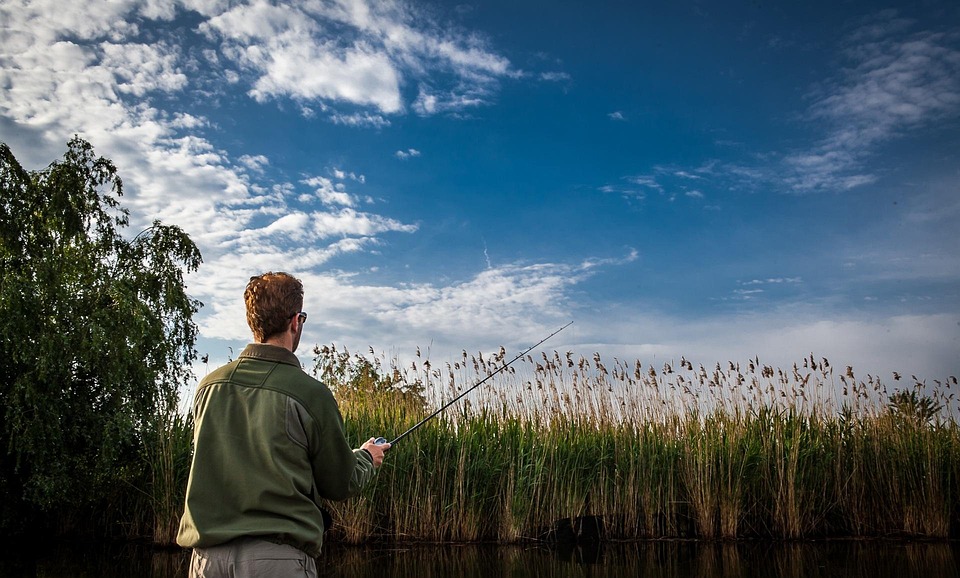
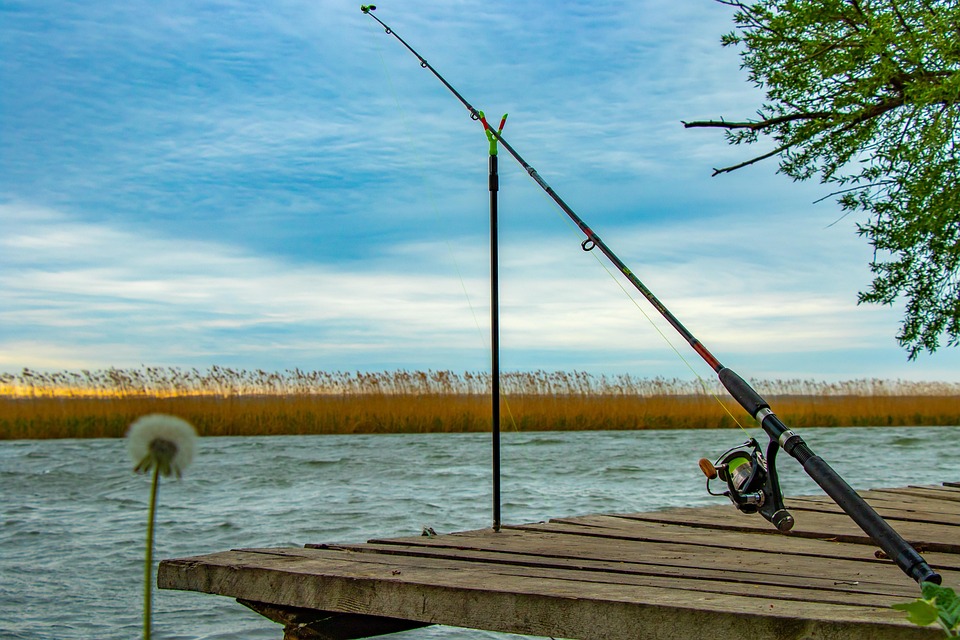
- Rod: Choose a medium to heavy action rod for larger fish. A longer rod can help you cast further and retrieve more line.
- Reel: A high-speed reel (6.5:1 gear ratio or higher) is recommended to quickly retrieve line and prevent fish from escaping.
Line and Lures
- Line: Use strong, braided line (20-50 lb test) for its durability and sensitivity. This will allow you to feel even the slightest nibbles.
- Lures: Opt for noisy, flashy lures that mimic the appearance and action of baitfish. Crankbaits, topwater buzzbaits, and jigs are excellent choices.
The Techniques of Aggressive Fishing
Mastering the techniques used in aggressive fishing can turn an average day on the water into a memorable experience.
Fast Retrieve
One of the hallmark techniques of aggressive fishing is the fast retrieve. This method involves reeling in your line quickly to trigger a fish’s predatory instincts.
- Vary your retrieve speed; sometimes a rapid retrieve excites fish, while at other times a stop-and-go method mimics an injured fish.
- Keep your rod tip high to enable better control and responsiveness to bites.
Topwater Techniques
Topwater fishing is exhilarating, especially when targeting species that feast on bait near the surface. The splash and noise of topwater lures create excitement that can attract larger fish.
- Cast near structure, such as fallen trees or weed beds, where aggressive fish are likely to hide.
- Experiment with different lures: poppers, walking baits, and frogs all provide unique action and noise.
Chasing Schools
Finding and targeting schools of fish is a strategy that can increase your chances of landing a big one. Use electronics to locate schools, and then employ aggressive techniques.
- Drop your lure into the school and employ quick movements to provoke a bite.
- Be prepared to move quickly; fish can often spook and scatter if not approached cautiously.
Seasonal Considerations
The best time to engage in aggressive fishing often depends on seasonal patterns and water temperatures.
Spring and Fall
During these transitional seasons, fish are often more aggressive due to spawning and feeding motives. This is the best time to utilize aggressive techniques.
Summer and Winter
In the heat of summer, fish may retreat to cooler depths, requiring you to adjust your tactics. In winter, you may need to slow your presentation to entice bites.
Essential Safety and Conservation Practices
As with any recreational activity, ensuring safety and practicing conservation is paramount.
Safety Tips
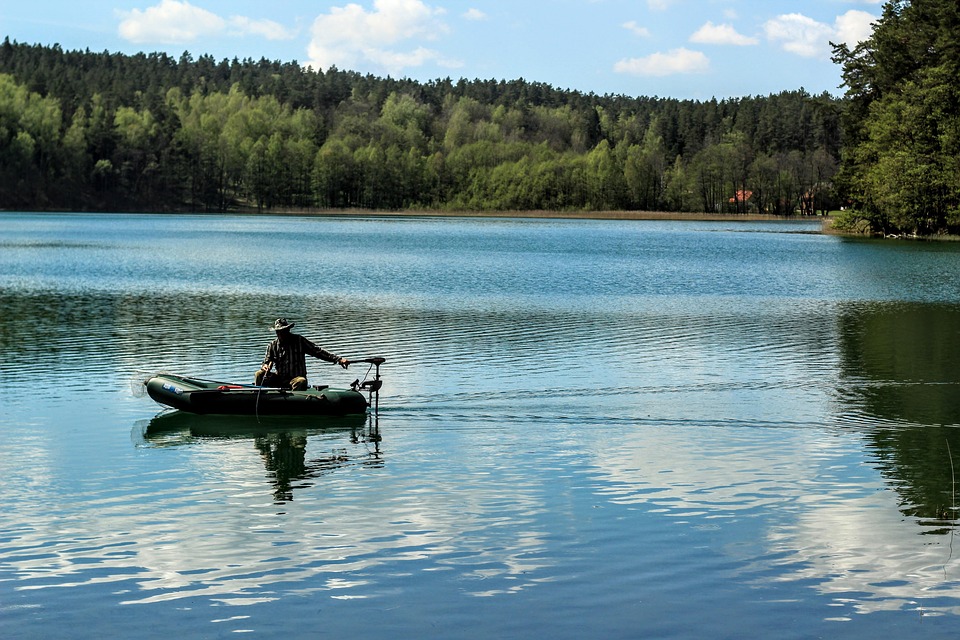
- Always wear a life jacket when fishing from a boat.
- Be mindful of weather conditions and changes in water levels.
Conservation Practices
- Practice catch and release whenever appropriate. If you’re fishing for sport, consider releasing the fish back into the water after landing.
- Follow local regulations regarding limits and seasons to protect fish populations.
Conclusion
Mastering the art of aggressive fishing not only heightens the experience but also increases the likelihood of landing big fish. By preparing with the right gear, employing effective techniques, and understanding seasonal patterns, anglers can fine-tune their approach to this thrilling sport. Engaging deeply with the water and fully embracing the aggression of both the fish and the fishing techniques will lead to some unforgettable experiences.
FAQs
What types of fish can be caught using aggressive fishing techniques?
Aggressive fishing techniques can be effective for various species, including bass, pike, muskie, tarpon, and more. The choice of technique may vary based on the species you are targeting.
Do I need specialized gear for aggressive fishing?
While you can use standard fishing gear, having medium to heavy tackle, high-speed reels, and strong braided line enhances your chances of success in aggressive fishing.
What is the best time of year for aggressive fishing?
Spring and fall are generally considered the best seasons for aggressive fishing due to increased fish activity. Summer and winter require adjustments in techniques.
How do I find schools of fish?
Using fish finders or deep-sea sonar technology can significantly aid in locating schools. Look for underwater structures where fish tend to gather.
What should I do if I catch a big fish?
If you catch a big fish, keep it in the water as much as possible for a safe release or photograph. Follow local regulations for size limits and consider practicing catch and release for conservation.
- advanced predator fishing
- aggressive fish fishing
- barracuda fishing
- barracuda lure fishing
- freshwater predator fishing
- large predator fishing
- muskie fishing
- muskie lure fishing
- pike fishing
- pike lure fishing
- predator angling
- predator fishing
- predator fishing baits
- predator fishing destinations
- predator fishing for beginners
- predator fishing gear
- predator fishing guides
- predator fishing lures
- predator fishing reels
- predator fishing rigs
- predator fishing rods
- predator fishing seasons
- predator fishing spots
- predator fishing tactics
- predator fishing techniques
- predator fishing tips
- predatory fish fishing
- saltwater predator fishing
- zander fishing
- zander jigging











Leave a comment