














Smallmouth bass fishing is more than just a hobby; it’s an exhilarating pursuit that combines skill, strategy, and a healthy dose of patience. Known for their tenacity and acrobatic fights, smallmouth bass are a favorite among anglers. Whether you’re a seasoned pro or a novice angler seeking to improve your game, mastering the techniques for smallmouth bass fishing can lead to more successful outings.
Understanding the Smallmouth Bass
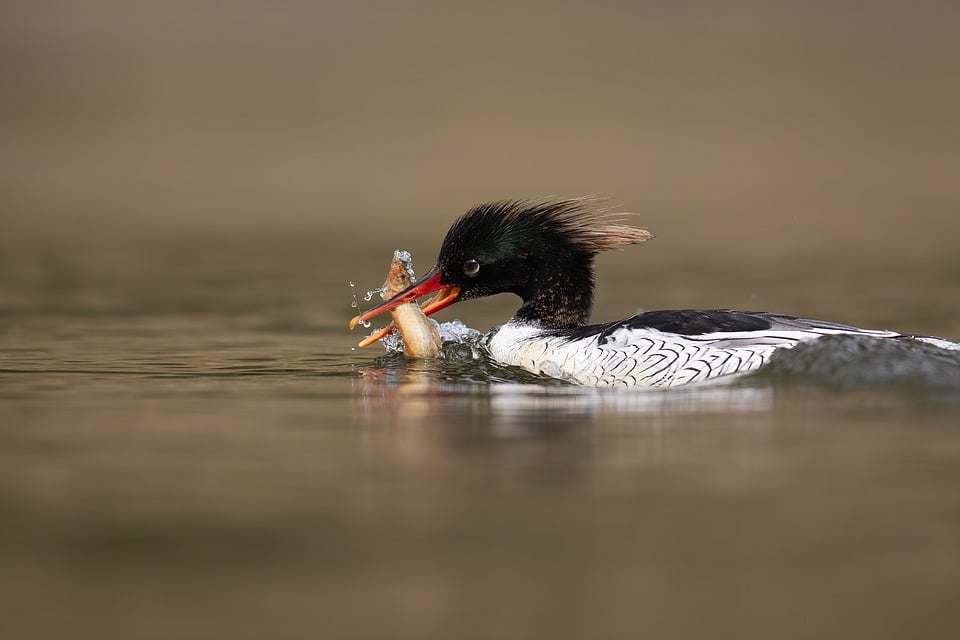
Before discussing techniques, let’s briefly understand the smallmouth bass itself. Native to the North American rivers and lakes, smallmouth bass thrive in rocky, cool waters with plentiful cover. They are opportunistic feeders, primarily consuming minnows, crayfish, and insects, which makes them susceptible to various bait and lures.
Smallmouths can be found in different habitats, ranging from rocky shorelines to submerged structures. Knowing when and where to fish for them drastically increases your chances of a successful catch.
Seasonal Strategies
Fishing for smallmouth bass varies with the seasons. Understanding their behaviors during different times of the year is crucial.
Spring: Pre-Spawn and Spawn
As waters warm in the spring, smallmouths prepare for spawning. During this period, they become more aggressive, making them relatively easier to catch. Focus on:
- Shallow Areas: Look for smallmouths in shallow, rocky areas where they nest.
- Jigs and Plastics: Use jigs tipped with crawfish or creature baits to mimic their natural food sources.
Summer: Post-Spawn
Once spawning is over, smallmouths tend to move into deeper waters. This shift can be challenging but not impossible. Tips include:
- Drop Shots and Carolina Rigs: These techniques allow you to fish deeper, presenting baits right in front of the fish.
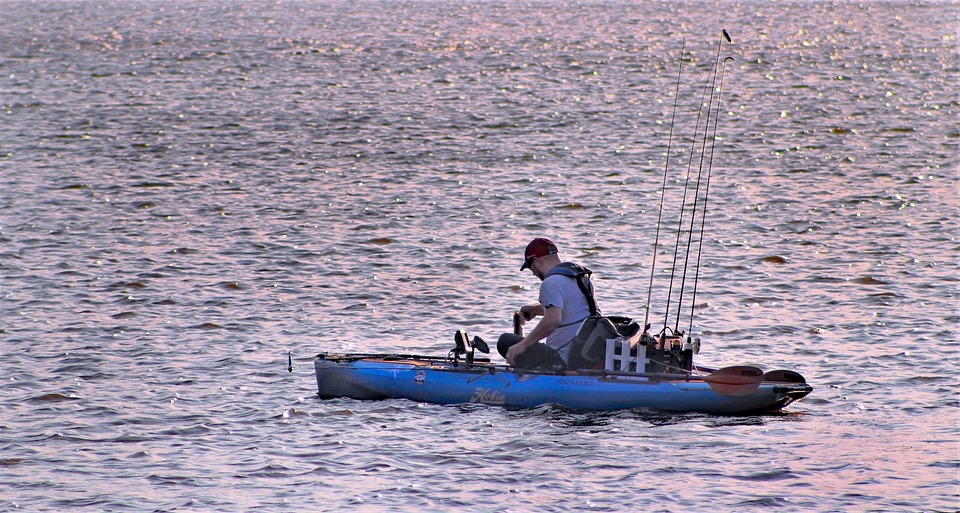
- Early Morning and Late Evening: Focus your efforts during the cooler parts of the day when smallmouths are most active.
Fall: Pre-Winter Feeding Frenzy
As temperatures drop, smallmouths feed heavily to prepare for winter. Key tactics include:
- Windy Day Fishing: Wind creates surface commotion, stirring up food, which attracts smallmouths. Utilize large topwater baits to target these feeding schools.
- Crankbaits: During this time, crankbaits can be effective in both shallow and deep water as they mimic fleeing forage.
Winter: Ice Fishing
In colder climates, ice fishing for smallmouth bass is an exciting option. Techniques include:
- Tip-ups with Live Bait: Set up tip-ups with live minnows at varying depths to locate active fish.
- Jigging: Using vertical jigs to entice fish under the ice can be quite fruitful.
Essential Gear for Smallmouth Bass Fishing
The right gear can make all the difference in your success rate. Here’s what to consider:
Rods and Reels
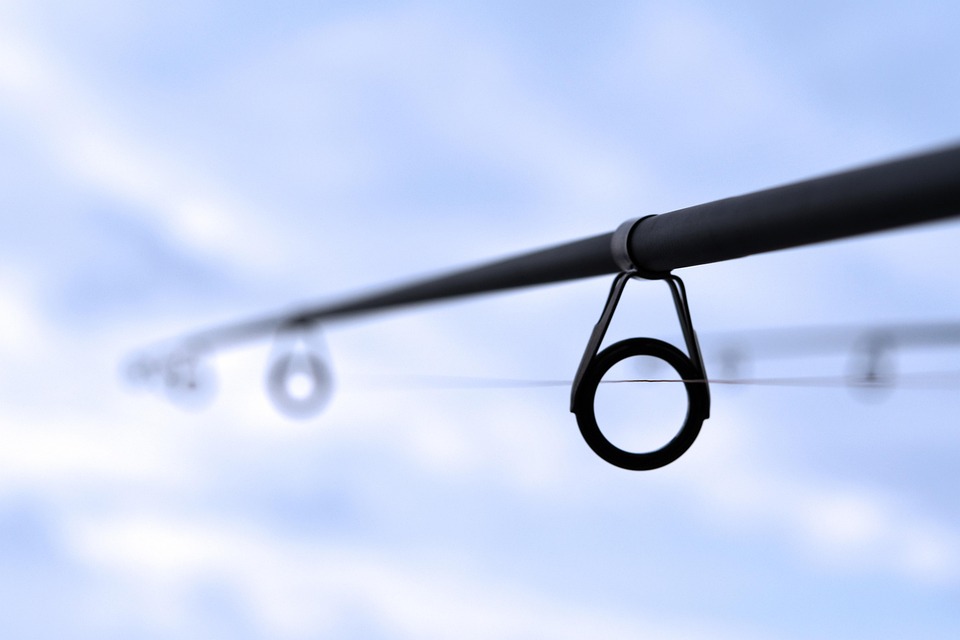
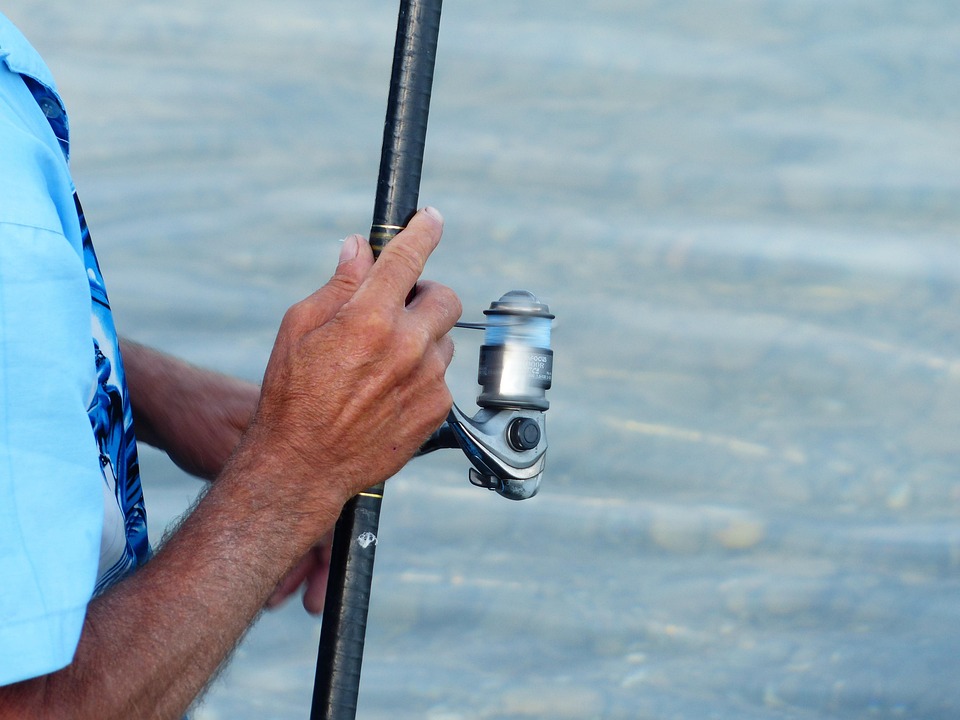
A medium-action rod paired with a spinning reel is ideal for smallmouth bass fishing. A 7-foot rod provides better leverage for controlling these feisty fish. Opt for a reel that holds at least 150 yards of 10-15 lb test line.
Lines
Fluorocarbon lines are popular due to their low visibility underwater, making them nearly invisible to wary bass. Consider using braided lines for increased sensitivity and strength when fishing in rocky environments.
Baits and Lures
Selecting the right bait and lures is essential. Popular choices include:
- Spinnerbaits: Effective in covering water quickly and attracting smallmouths.
- Topwater Lures: Skittering across the surface during active feeding times can yield explosive strikes.
- Soft Plastics: Mimicking natural prey, they can be rigged and fished in various ways, including Texas rige and wacky rig.
Technique Matters
Even with the right gear, employing effective techniques is critical. Here are several methods to enhance your fishing experience:
Key Techniques
- Feeling the Bottom: When working lures along the bottom, maintain contact to feel for bites. Use your rod tip to keep your bait bouncing along rocky surfaces.
- Retrieve Styles: Experiment with various retrieval speeds. Slow rolling or erratic bumps can trigger bites when the fish are lethargic.
- Drifting: In current-heavy areas, drifting with the current can give you a natural presentation that feels attractive to smallmouths.
Location Techniques
Identifying hotspots is crucial for success:
- Rock Piles and Drop-offs: Smallmouths often hang out near structures where they can ambush prey.
- Current Breaks: Areas with breaks in the current provide smallmouths with easier feeding while conserving energy.
Knowing the Fish: Behavior and Patterns
Understanding the behavioral patterns of smallmouth bass can dramatically increase your success rate.
- Feeding Times: Early mornings and late evenings are peak feeding times, especially in warmer months.
- Weather Conditions: Overcast days can stimulate a feeding frenzy as bass feel safer in lower light.
- Seasonal Movements: Adapt your strategy based on the season, noting their movement patterns between shallow and deep waters.
Tips for Catch and Release
Bass fishing offers unique challenges and joys. If you’re practicing catch and release, follow these guidelines to ensure the fish’s survival:
- Wet Your Hands: Before handling, wet your hands to avoid removing the protective slime.
- Minimize Air Exposure: Keep the fish in water as much as possible; take photos quickly if desired.
- Support the Fish: Hold the fish horizontally to avoid damage to their internal organs.
Conclusion
With the right techniques, gear, and knowledge about the behavior of smallmouth bass, anyone can enhance their fishing experience. Whether you’re targeting them in spring during their spawn, exploring deeper waters in the summer, or embracing the thrill of ice fishing in winter, applying these strategies can significantly increase your chances of success. Remember, patience and adaptability are key. The more you fish, the more you’ll learn about these incredible fighters – and with each catch, your skills will only improve. Happy fishing!
FAQs
What is the best time of day to fish for smallmouth bass?
The best times are generally early mornings and late evenings, especially during warmer months when they are most active.
What type of bait is most effective for smallmouth bass?
Some of the most effective baits include jigs, spinnerbaits, topwater lures, and soft plastics, depending on the time of year and water conditions.
What habitat do smallmouth bass prefer?
Smallmouth bass thrive in rocky, clear waters with plenty of cover, such as submerged structures and vegetation. They prefer well-oxygenated environments.
Can I catch smallmouth bass in winter?
Yes! Smallmouth bass can be caught through ice in winter. Techniques like tip-ups with live bait or jigging with small lures can be effective.
How do I choose the right fishing gear for smallmouth bass?
A medium-action rod with a spinning reel is generally recommended, paired with 10-15 lb test line. Equip yourself with various baits and lures to adapt your strategies as needed.
- advanced bass fishing
- bass angling
- bass fishing
- bass fishing baits
- bass fishing destinations
- bass fishing for beginners
- bass fishing guides
- bass fishing lakes
- bass fishing lures
- bass fishing patterns
- bass fishing reels
- bass fishing rigs
- bass fishing rods
- bass fishing seasons
- bass fishing tactics
- bass fishing techniques
- bass fishing tips
- crankbait bass fishing
- deep water bass fishing
- jig bass fishing
- largemouth bass fishing
- reservoir bass fishing
- river bass fishing
- shallow water bass fishing
- smallmouth bass fishing
- soft plastic bass fishing
- spinnerbait bass fishing
- spotted bass fishing
- topwater bass fishing
- tournament bass fishing











Leave a comment