














Bass fishing is not just a pastime; it’s an art form, a competitive sport, and a gateway to serenity in nature. Enthusiasts of all skill levels cherish the experience of casting their lines into tranquil waters, seeking the thrill of the catch. As you embark on your journey to master the art of bass fishing, understanding the essential techniques can significantly heighten your success rate and enjoyment.
The Basics of Bass Fishing
Before diving into advanced techniques, it’s crucial to grasp some foundational knowledge about bass species. The two primary types of bass targeted by anglers are:
- Largemouth Bass: Known for their aggressive nature, large mouths, and preference for shallow waters filled with cover like weeds and fallen trees.
- Smallmouth Bass: More active in clear and cooler waters, they prefer rocky habitats and are known for their acrobatic fighting ability when hooked.
Essential Gear for Bass Fishing
A successful bass fishing experience starts with having the right gear. Here’s a comprehensive list of essential equipment:
Rod and Reel
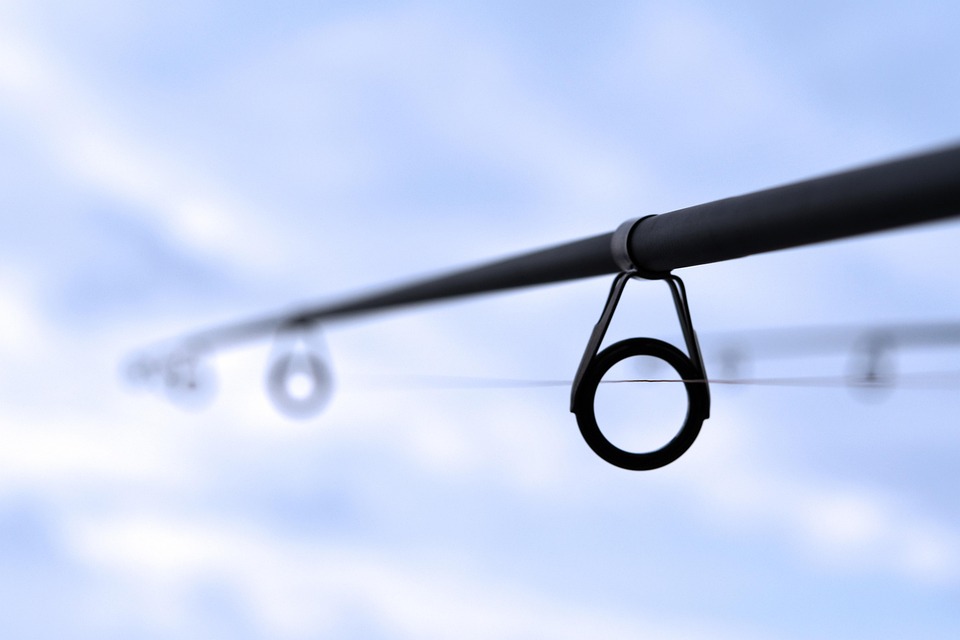
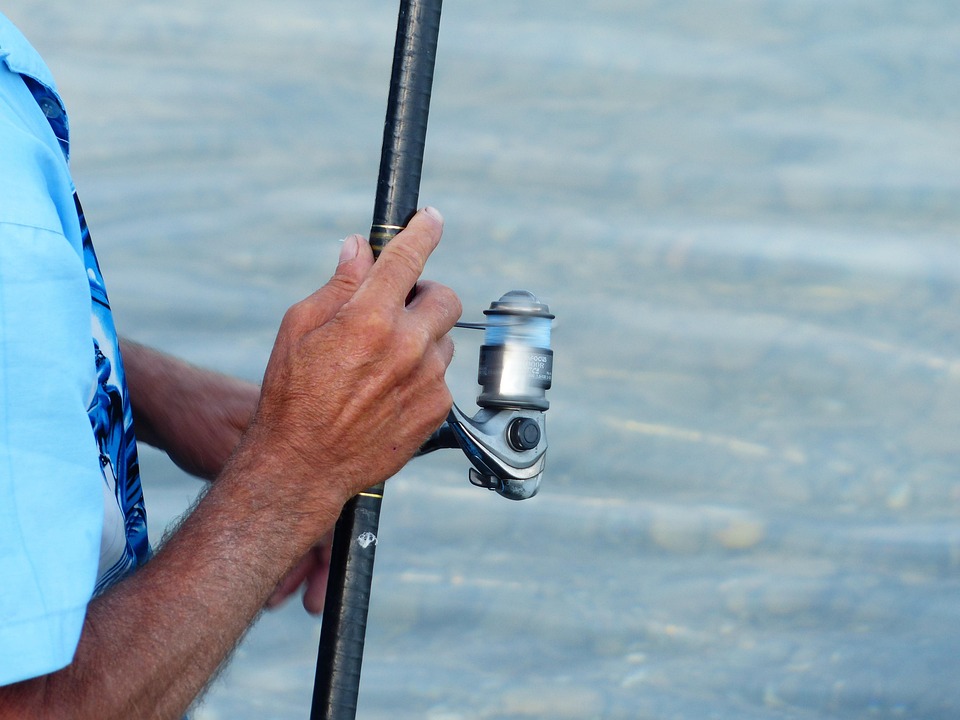
Select a medium to medium-heavy rod that is 6 to 7 feet long for versatility. Pair it with a baitcasting or spinning reel that has a gear ratio suitable for bass fishing.
Line
Monofilament line in the 10-20 lb test range is ideal for general bass fishing. Fluorocarbon line offers good invisibility underwater while braid is best for heavy cover due to its strength.
Baits and Lures
- Soft Plastics: These include worms, lizards, and creature baits which can be rigged in various ways like Texas or Carolina rigs.
- Crankbaits: Perfect for probing deeper water, these come in various shapes and sizes.
- Topwater Lures: Great for early morning or late evening fishing, these lures create surface commotion that bass can’t resist.
Accessories
Don’t forget a tackle box, pliers, fishing net, and a good pair of polarized sunglasses to reduce glare from the water.
Techniques to Master
1. Understanding Fish Behavior
Knowing how bass behave under different conditions—such as time of day, season, and weather—can greatly influence your fishing strategy. For instance, bass are often more active during the early morning and late evening, while cloudy days can provide good conditions as well.
2. Locating Bass
Bass tend to hide in cover. Look for:
- Weed beds: Bass use these as ambush points.
- Rock piles and jetties: These structures attract baitfish.
- Coves and bays: Where water warms up quicker in spring, drawing in fish.
3. Rigging Techniques
Understanding various rigging methods enhances your presentation:
Texas Rig
This method allows for weedless fishing, effective in heavy cover. Insert the hook point into the bait, slide it down, and then bury it slightly into the body.
Carolina Rig
Great for fishing deeper waters, this rig consists of a weight followed by a swivel and leader line ending with a soft plastic bait, allowing for a slow drag across the bottom.
4. Casting and Retrieving Techniques
Precision and timing in your casting and retrieving can make a big difference:
Pitching and Flipping
These techniques allow for accurate casts into tight spaces around cover. Practice these methods to ensure you land your bait precisely where you want it.
Retrieve Speeds
Experiment with different retrieval speeds. Sometimes a slow, steady retrieve works, while at other times, a quick twitch can provoke a strike.
The Role of Technology in Bass Fishing
Today’s anglers can leverage technology to improve their fishing experience. Fish finders, equipped with sonar technology, help locate bass by interpreting underwater structures and fish movements. Apps provide detailed maps of lakes, offering insights into popular fishing spots while keeping track of weather patterns and water temperature.
Conservation and Ethical Fishing
As you immerse yourself in the art of bass fishing, be mindful of conservation practices. Always follow local regulations, and practice catch and release to ensure the sustainability of bass populations. Clean your gear to prevent the spread of invasive species.
Conclusion
Mastering the art of bass fishing goes beyond just having the right gear; it requires understanding fish behavior, developing essential techniques, and respecting nature. Each outing on the water offers a unique challenge and a deeper connection to the environment. As you refine your skills, remember that patience and practice are key to becoming a successful angler.
FAQs
1. What is the best time of day to catch bass?
The best times are typically early morning and late evening, when bass are most active and feeding.
2. What are the best lures for bass fishing?
Soft plastics, crankbaits, and topwater lures are all great choices depending on conditions and time of year.
3. How can I improve my casting accuracy?
Practice is essential. Start with shorter distances and gradually increase length as you become comfortable. Consider using a target to aim at when practicing.
4. Are fish finders worth the investment for bass fishing?
Yes, fish finders can provide valuable insights into where fish are located, making your fishing trips more productive.
5. How do I properly release a fish?
Wet your hands before handling a fish to prevent damage to their slime coating. If possible, gently remove the hook while the fish is in the water, or hold it while it recovers before releasing it.
- advanced bass fishing
- bass angling
- bass fishing
- bass fishing baits
- bass fishing destinations
- bass fishing for beginners
- bass fishing guides
- bass fishing lakes
- bass fishing lures
- bass fishing patterns
- bass fishing reels
- bass fishing rigs
- bass fishing rods
- bass fishing seasons
- bass fishing tactics
- bass fishing techniques
- bass fishing tips
- crankbait bass fishing
- deep water bass fishing
- jig bass fishing
- largemouth bass fishing
- reservoir bass fishing
- river bass fishing
- shallow water bass fishing
- smallmouth bass fishing
- soft plastic bass fishing
- spinnerbait bass fishing
- spotted bass fishing
- topwater bass fishing
- tournament bass fishing










Leave a comment