


















Spotted bass fishing has gained immense popularity among anglers for its challenge and excitement. Known for their acrobatics and willingness to strike, spotted bass are a favorite target among sport fishermen. This feature article explores the best practices, techniques, and strategies for successfully fishing for spotted bass, providing tips for both novice and experienced anglers alike.
Understanding the Spotted Bass
The spotted bass (Micropterus punctulatus) is a freshwater species native to the southeastern United States. They are usually found in rivers, lakes, and reservoirs where they prefer rocky or densely vegetated habitats. Recognizable by their olive-green bodies and numerous black spots along their sides, these fish can grow to about 20 inches in length and weigh up to 10 pounds or more.
Spotted bass are known for their aggressive feeding behavior, often feeding on various prey, including shad, minnows, and crawfish. The fish are more active during early mornings and late afternoons, making these times ideal for fishing.
Choosing the Right Gear
Fishing for spotted bass requires specialized gear to increase your chances of a successful catch.
Rods and Reels
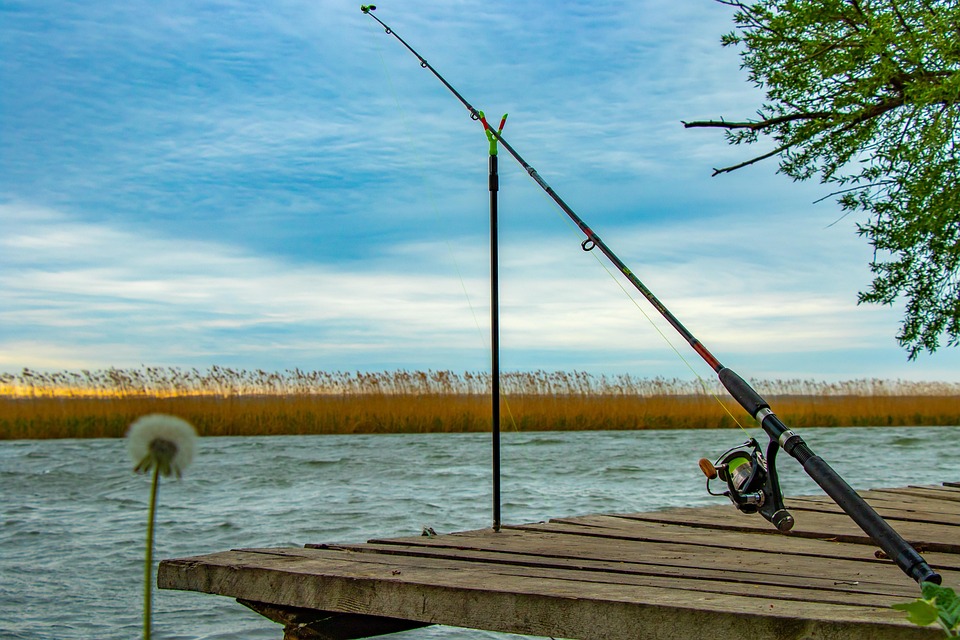
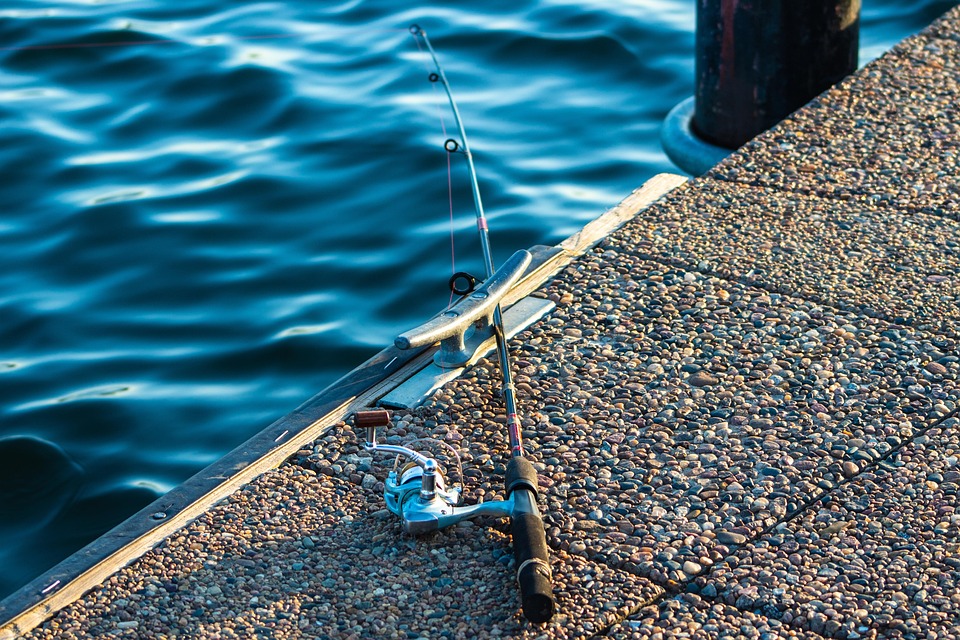
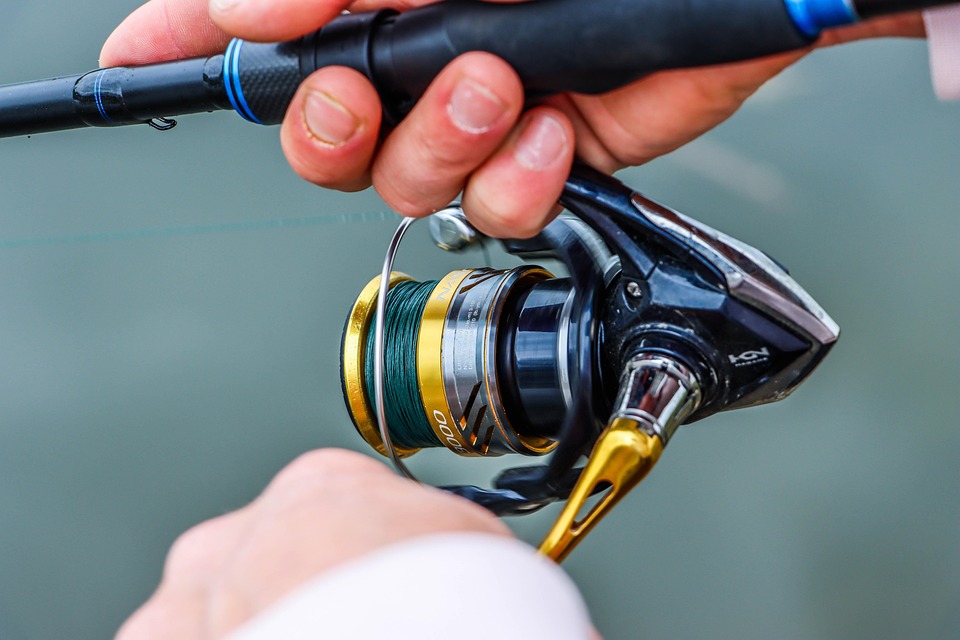
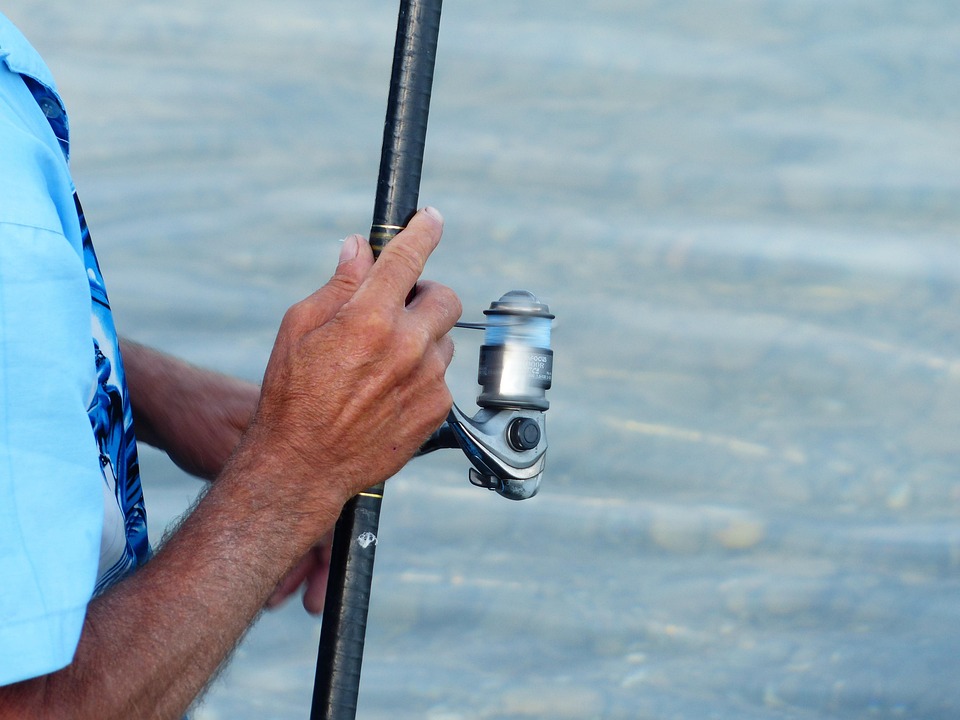
Selecting the right rod is crucial for effective spotting and hooking. A medium-heavy spinning or baitcasting rod, around 6 to 7 feet in length, is ideal as it offers a balance of sensitivity and strength. Pair this with a reel that has a high gear ratio (6.3:1 or higher) to allow quick retrieval of lures.
Fishing Line
Use braided line of 15 to 30-pound test, which provides great sensitivity and allows for strong hook sets. A fluorocarbon leader of around 12 to 15 pounds can be used for added stealth, especially in clear waters.
Lures and Baits
Spotted bass can be caught using various lures. Popular choices include:
- Jigs: Versatile and effective, especially when flipped into heavy cover.
- Crankbaits: Use these to mimic the movement of wounded fish.
- Soft Plastics: Worms, creature baits, and swimbaits can be highly effective.
- Topwater Lures: Great for early morning or late evening fishing.
Effective Fishing Techniques
Knowing where to fish is just as important as having the right gear. Here are some effective techniques to boost success.
Location, Location, Location
Spotted bass are often found close to structures such as rocks, drop-offs, and submerged vegetation. Focus your efforts around:
- Points and Ledges: Often serve as feeding spots.
- Creek Channels: These areas are likely to hold fish, especially during the spawn.
- Weeds and Laydowns: Provide shelter and a hunting ground for bass.
Seasonal Considerations
Understanding seasonal patterns can significantly influence your fishing strategy. Here’s how to adapt:
- Spring: As water temperatures rise, spotted bass move into shallow water to spawn. Focus on using quieter presentations.
- Summer: Fish deeper during the heat of the day. Early and late hours are best for surface lures.
- Fall: As water cools down, fish will be more aggressive and tend to feed heavily before winter.
- Winter: Slow down your presentations. Fish become lethargic and are often found in deeper waters.
Retrieval Techniques
The way you retrieve your lures can also attract more spotted bass. Experiment with various techniques:
- Dragging: Drag jigs along the bottom to attract curious fish.
- Jerking: For crankbaits, use sharp jerks to create a wounded fish effect.
- Pause and Go: This method helps simulate the unpredictability of prey.
The Importance of Conservation
Spotted bass are essential for maintaining healthy aquatic ecosystems. As popular sportfish, they also contribute economically through fishing tourism. Responsible fishing practices, such as catch and release, are vital to protect their populations and ensure sustainability for future generations.
Consider using barbless hooks to minimize harm when releasing fish. Always handle the fish gently and return them to the water promptly.
Conclusion
Mastering the art of spotted bass fishing requires knowledge, skill, and patience. By understanding the habits and habitats of these feisty fish, selecting the right gear, and employing effective fishing techniques, anglers can greatly increase their success rates. Moreover, with a focus on conservation and ethical practices, everyone can enjoy the thrill of bass fishing while ensuring the sustainability of this beloved species. The water awaits—get out there and unlock the secrets of spotted bass fishing!
FAQs
1. What is the best time of year to fish for spotted bass?
The best times to fish for spotted bass are during spring and fall when they are most active. Early morning and late afternoon also yield better results throughout the warmer months.
2. Are spotted bass easy to catch?
While spotted bass can be challenging due to their voracious nature and wary behavior, once you understand their habits and preferences, they can be caught consistently with the right techniques.
3. What are the legal size and bag limits for spotted bass?
Legal size and bag limits vary by state, so it’s essential to check local regulations before fishing. Many areas have a minimum length limit and a maximum number of fish that can be kept per day.
4. Can I catch spotted bass in saltwater?
No, spotted bass are freshwater fish and are typically found in rivers, lakes, and reservoirs.
5. What are the main differences between spotted bass and largemouth bass?
Spotted bass have a more elongated body with distinct black spots, while largemouth bass have a broader, chunkier appearance without the spots. Spotted bass also prefer cooler, clearer waters compared to largemouth bass.
- advanced bass fishing
- bass angling
- bass fishing
- bass fishing baits
- bass fishing destinations
- bass fishing for beginners
- bass fishing guides
- bass fishing lakes
- bass fishing lures
- bass fishing patterns
- bass fishing reels
- bass fishing rigs
- bass fishing rods
- bass fishing seasons
- bass fishing tactics
- bass fishing techniques
- bass fishing tips
- crankbait bass fishing
- deep water bass fishing
- jig bass fishing
- largemouth bass fishing
- reservoir bass fishing
- river bass fishing
- shallow water bass fishing
- smallmouth bass fishing
- soft plastic bass fishing
- spinnerbait bass fishing
- spotted bass fishing
- topwater bass fishing
- tournament bass fishing











Leave a comment