












Perch fishing is not just a pastime; it’s an experience that embodies patience, skill, and connection with nature. The distinctive stripes of the perch—ranging in hues from vibrant yellows to deep greens—make it a striking and sought-after catch amongst anglers. While it can be enjoyed by seasoned fishers, it also serves as the perfect introduction to the world of fishing for beginners. In this article, we’ll explore essential techniques, bait options, tactics for various water conditions, and tips suitable for both novices and experienced anglers. Grab your tackle box and let’s dive in.
Understanding Perch Behavior
Before jumping into techniques, let’s understand the behavior patterns of perch. They’re often found in freshwater lakes, rivers, and sometimes brackish waters. They tend to prefer areas near structures such as submerged rocks, weed beds, and fallen tree limbs where they can hide from predators and ambush prey.
Seasonal Patterns
Perch are influenced by seasonal changes:
- Spring: As water temperatures rise, perch move into shallower waters to spawn. This is prime time for anglers.
- Summer: During warmer months, perch retreat to deeper waters, often schooling around submerged structures.
- Fall: As temperatures fall, perch begin moving back into shallower waters in preparation for winter.
- Winter: Ice fishing becomes prominent; perch can often be found hovering just above the lake bed.
Essential Gear for Perch Fishing
Having the right gear can make a world of difference. Consider the following:
Fishing Rod and Reel
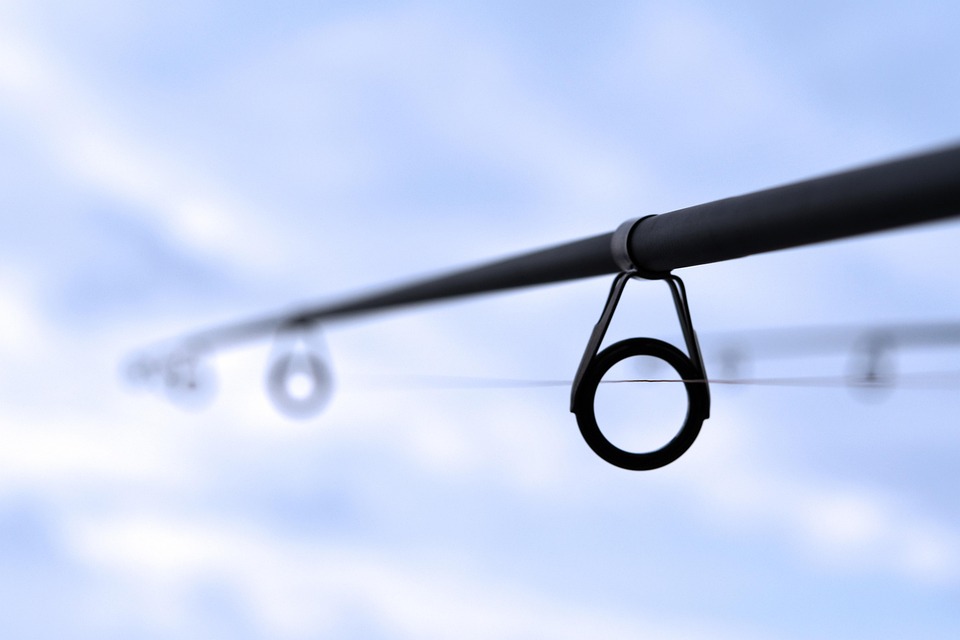
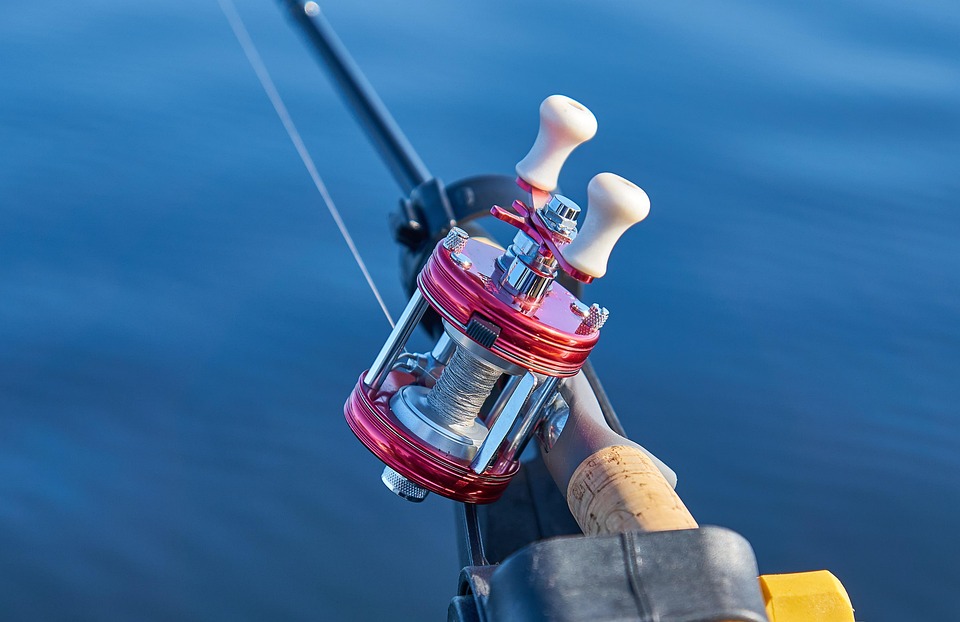
A medium-light spinning rod paired with a smooth spinning reel is ideal for perch fishing. The gear should allow for sensitivity while still possessing enough strength to handle larger perch.
Line
Monofilament line in 6 to 10-pound test strength offers the best balance between visibility and durability. If fishing in heavily weeded areas, consider using braided lines.
Bait and Lures
Choosing the right bait is crucial:
- Live Bait: Worms, minnows, and maggots are popular selections. They mimic the natural food of perch and are quite effective.
- Soft Plastics: Grubs and small swimbaits can be highly effective. These lures often imitate distressed fish, enticing predatory perch.
- Jigs: Small jigs, particularly those in bright colors, can be excellent for both casting and vertical jigging.
Techniques for Perch Fishing
Location
Identifying productive locations is key. Start your hunt by looking for:
- Drop-offs: Areas where the depth changes quickly often hold perch waiting to ambush prey.
- Structures: Weeds, rocks, and other underwater structures are perfect havens for perch.
- Schools: When one perch is caught, it’s often a sign that others are nearby. Keep casting in the area.
Fishing Techniques
Whether you’re bank fishing or ice fishing, different techniques can improve your chances:
- Cast and Retrieve: Experiment with the speed of your retrieval. Sometimes a fast retrieve entices bites, while other times a slow and steady approach is key.
- Vertical Jigging: Drop a jig right above a school of perch and jig it up and down to mimic struggling prey.
- Float Fishing: Use a bobber and live bait for a relaxed approach. It allows you to monitor the depth and reduces the chance of snagging.
Adapting to Water Conditions
Water conditions can influence active feeding times and locations. Be sure to adapt your techniques to suit these conditions:
Clear Water
In clear water, use lighter lines and more natural-looking baits. Consider using smaller lures, as the perch will be wary. Position yourself in shady spots or near structures to increase your chances.
Murky Water
In murky waters, vibrant colored lures and noisy jigs can attract perch. They may rely more on their lateral line for sensing vibrations when visibility is low.
Common Mistakes to Avoid
Even experienced anglers can fall into traps. Here are some pitfalls to steer clear of:
- Using Inappropriate Line: Heavy fishing lines can deter perch from biting. Stick with lighter lines.
- Overlooking Depth: Ensure your bait is in the right zone. Perch can be found at varied depths based on the time of year.
- Ignoring Weather Conditions: Weather can make a significant difference in fish behavior. Overcast days can lead to more bites.
Conclusion
Mastering perch fishing is a rewarding endeavor that enhances not only your angling skills but also your appreciation for nature. Whether you’re casting near the shorelines in spring or jigging through the ice in winter, understanding perch behavior and utilizing the right techniques will undoubtedly lead to better fishing days. Remember, patience and practice are your best allies on this journey. As you refine your skills, the simple act of fishing can become a fulfilling pursuit, enriched with stories and lessons that stay with you for a lifetime. Happy fishing!
Frequently Asked Questions
1. What is the best time of day to catch perch?
The early morning and late evening tend to be the best times as perch are most active during these hours.
2. Can I catch perch from the shore?
Yes, perch can be successfully caught from the shore, especially near shallow waters during spawning season.
3. What is the ideal water temperature for perch fishing?
Perch are usually most active in temperatures ranging between 60°F to 75°F (15°C to 24°C).
4. Is ice fishing for perch different from open water fishing?
Yes, ice fishing typically requires different gear and techniques, such as using jigging spoons or small jigs beneath the ice.
5. What regulations should I be aware of when fishing for perch?
Regulations vary by location, so it’s important to check local laws regarding size limits and seasons to ensure sustainable fishing practices.
- bass fishing
- Bluegill Fishing
- carp fishing
- catfish fishing
- Crappie Fishing
- freshwater angling
- freshwater bait fishing
- freshwater fishing
- freshwater fishing gear
- freshwater fishing guides
- freshwater fishing species
- freshwater fishing techniques
- freshwater fishing tips
- freshwater fly fishing
- freshwater spinning fishing
- inland fishing
- lake fishing
- lakes fishing
- largemouth bass fishing
- muskie fishing
- panfish fishing
- Perch Fishing
- pike fishing
- pond fishing
- reservoir fishing
- reservoirs fishing
- river fishing
- rivers fishing
- Salmon Fishing
- smallmouth bass fishing
- stream fishing
- Tilapia Fishing
- Trout Fishing
- Walleye Fishing









Leave a comment