







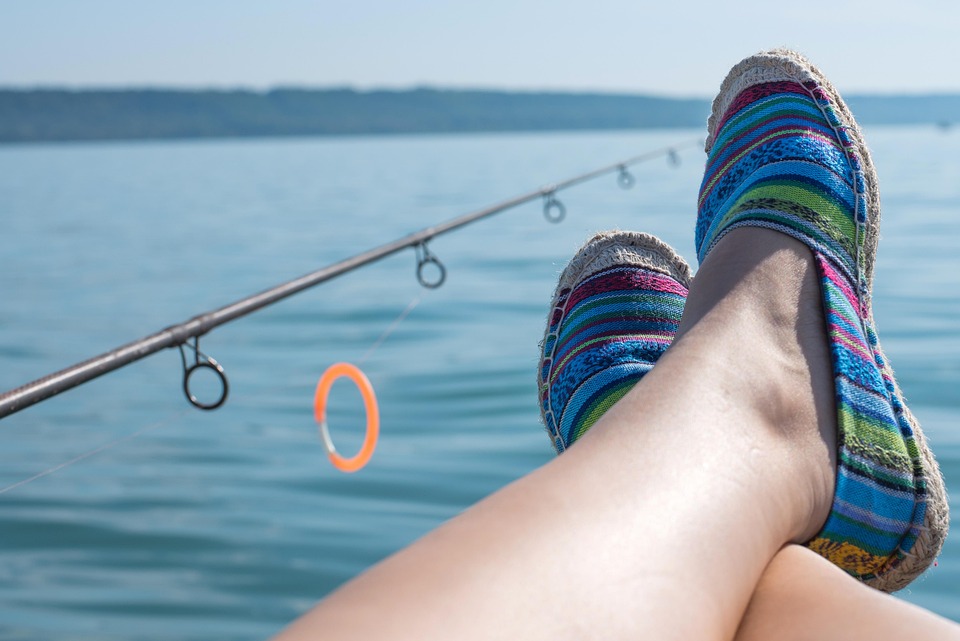


Saltwater fishing is an exhilarating experience, blending the thrill of the catch with the beauty of the ocean. Whether you’re a newcomer or an experienced angler, there are always new tips and techniques to enhance your fishing adventures. This article offers insights into equipment, techniques, and best practices that can help maximize your success on the water.
Understanding Your Destination
One of the first steps in planning a saltwater fishing adventure involves understanding the geography and ecology of your destination. The ocean is not a uniform environment; different species of fish inhabit varying marine ecosystems. Here are some crucial factors to keep in mind:
- Location: Research the specific area you will be fishing. Are you close to reefs, estuaries, or open ocean?
- Seasons: Fishing success can vary significantly with the seasons; certain fish are more active during specific times of the year.
- Tides: Understanding tidal patterns can greatly influence your catch; many species are more active during incoming tides or just after low tide.
Essential Gear and Tackle
Proper equipment is vital for a successful fishing trip. Here’s a list of essential gear you will need:
- Rod and Reel: Choose a saltwater rod and reel designed to handle larger fish and corrosive environments.
- Line: Braided lines are popular for saltwater fishing due to their strength and sensitivity, while fluorocarbon leaders can reduce visibility in clear water.
- Lures and Baits: Learn which baits attract the fish species in your area. Live bait often yields the best results, but various lures can be highly effective as well.
- Safety Gear: Don’t forget items like life jackets, a first-aid kit, sunscreen, and adequate food and water.
Techniques for Success
1. Casting Method
How you cast can significantly affect your success rate. Here are a few techniques to master:
- The Overhead Cast: This is the most common casting method, ideal for longer distances and greater precision.
- The Sidearm Cast: Useful in windy conditions or when fishing near structures; it allows for more control and less risk of tangling.
- Pitching and Flipping: These methods are effective when fishing close to cover or structure, allowing for a quieter presentation of your bait.
2. Retrieval Techniques
How you retrieve your line can impact whether fish bite or ignore your offering:
- Slow Retrieve: Mimics a wounded baitfish, drawing predatory fish to your lure.
- Fast Retrieve: Can activate aggressive instincts in predatory species like tuna and mackerel.
- Popping and Twitching: Useful when using topwater lures; it creates commotion that can attract fish.
3. Understanding Fish Behavior
Being aware of how fish behave in saltwater can guide your strategy:
- Fish tend to be more active during dawn and dusk, so consider planning your trips for these times.
- Look for signs of fish activity, such as jumping fish or birds diving into the water.
- Consider water temperature; be aware of the species that thrive in various temperature ranges.
Conservation Practices
As stewards of the ocean, anglers have a responsibility to practice sustainable fishing. Follow these guidelines:
- Catch and Release: If fishing for species that are not good for consumption or are endangered, practice catch and release techniques to help preserve fish populations.
- Follow Regulations: Adhere to local fishing regulations; they are designed to protect marine ecosystems.
- Reduce Waste: Dispose of fishing line and other materials responsibly to avoid harming marine life.
Conclusion
Saltwater fishing can be an incredibly rewarding experience, connecting you with nature and offering the excitement of the catch. By understanding your environment, using the right gear, mastering essential techniques, and respecting the ecosystem, you can ensure that your saltwater fishing adventures are not only successful but also sustainable. No matter your experience level, remember that every trip is an opportunity to learn and enjoy the ocean.
FAQs
1. What is the best time of year for saltwater fishing?
The best time for saltwater fishing largely depends on your location and the fish species you’re targeting. Generally, spring and fall offer the most dynamic fishing opportunities due to increased fish activity.
2. Do I need a fishing license for saltwater fishing?
Yes, most areas require anglers to obtain a fishing license for saltwater fishing. Check local regulations to ensure compliance.
3. What type of bait works best for saltwater fishing?
Live bait, such as shrimp, squid, and small fish, often yields the best results. However, many anglers also have success with artificial lures that mimic these live baits.
4. How do I know which fish are in season?
Research local fishing regulations, which usually include information on seasonal species restrictions. Websites and local fishing guides may also provide valuable insights on what species are active throughout the year.
- barracuda fishing
- beach fishing
- big game fishing
- bluewater fishing
- boat fishing
- coastal fishing
- deep ocean fishing
- deep sea fishing
- drift fishing
- grouper fishing
- jigging fishing
- kingfish fishing
- mahi mahi fishing
- marlin fishing
- ocean fishing
- offshore fishing
- pier fishing
- reef fishing
- sailfish fishing
- saltwater angling
- saltwater fishing
- saltwater fishing guides
- shark fishing
- shore fishing
- snapper fishing
- sport fishing
- surf fishing
- trolling fishing
- tuna fishing








Leave a comment