







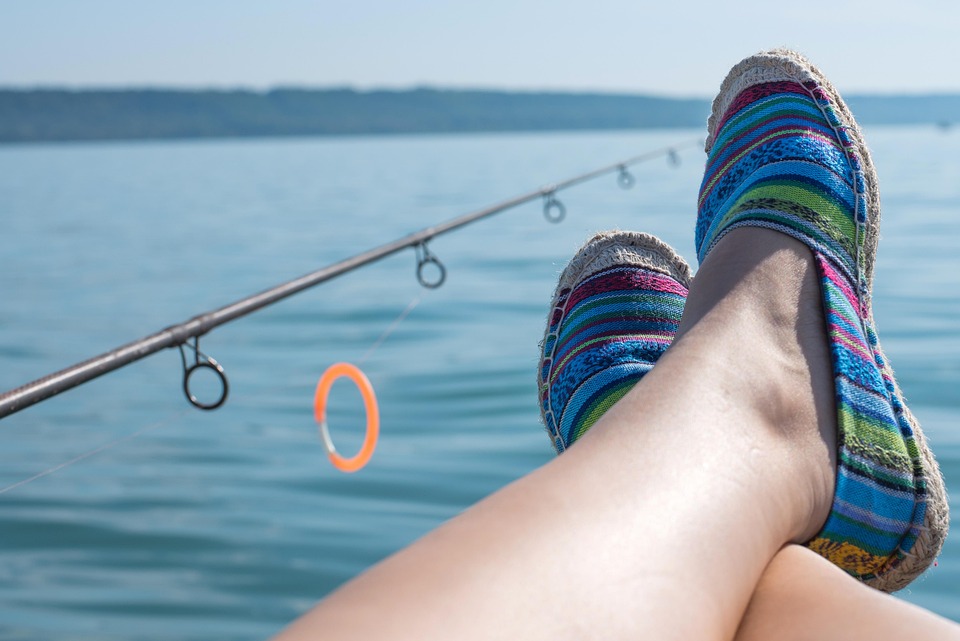


Offshore trolling is a thrilling fishing method that combines the art of angling with the excitement of being out at sea. This fishing style is not just about catching fish; it’s about connecting with nature and experiencing the ocean in a way many never do. As a beginner, it may feel daunting, but with some guidance and the right equipment, you can master the waves and enjoy the thrill of offshore trolling.
Understanding Offshore Trolling
Offshore trolling involves pulling baits or lures behind a moving boat, targeting various species of fish. This method is popular for catching pelagic fish—such as tuna, marlin, mahi-mahi, and wahoo—known for their speed and fighting spirit.
Why Trolling?
Trolling is advantageous for several reasons:
- Coverage: The boat can cover vast areas of water, increasing the chances of finding fish.
- Lure Presentation: Baits or lures are presented naturally, mimicking the movement of prey.
- Efficient Use of Time: While trolling, you can fish multiple lines, maximizing your catch.
Essential Gear for Offshore Trolling
Before heading out, it’s crucial to be equipped with the right gear. Here’s what you’ll need:
1. Rods and Reels
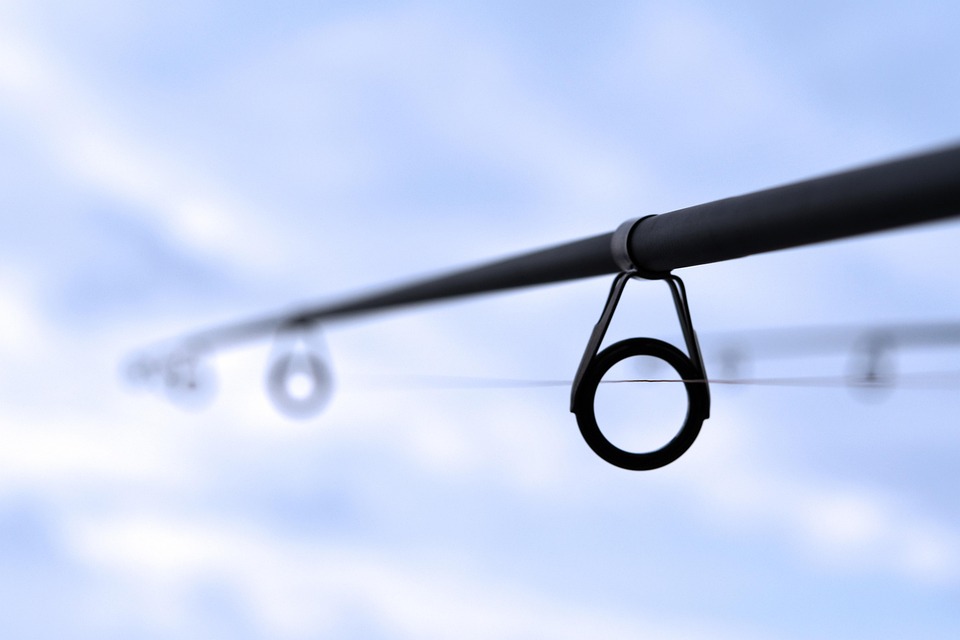
Invest in quality trolling rods and reels that can withstand the challenges of offshore conditions. Look for:
- Heavy-duty reels: These provide the necessary drag and line capacity for larger fish.
- Rods: Opt for medium to heavy action rods, typically ranging from 5 to 7 feet in length.
2. Fishing Line
Use braided line for its strength and minimal stretch, which is crucial when fighting a fish. A test strength of 30-80 pounds is generally recommended, depending on the target species.
3. Trolling Lures
Your lure selection is essential for effective trolling. Common types include:
- Skirted lures: Ideal for baiting larger species.
- Poppers: Great for surface action; designed to create noise and disturbances.
- Bait rigs: Incorporating live or dead bait often attracts a wider array of fish.
4. Other Essential Tools
Consider having the following:
- A fish finder to locate schools of fish.
- Rod holders to manage multiple lines and allow for hands-free fishing.
- A gaff or net for landing fish.
The Techniques of Trolling
Mastering trolling involves understanding speed, bait depth, and line placement. Here are some guiding principles:
1. Boat Speed
Speed can significantly affect your success in trolling. Generally, a speed of 4-8 knots is ideal for most trolling scenarios. Experiment with different speeds to see what attracts fish on that particular day.
2. Depth Control
Varying depth is essential because fish may be feeding at different levels. Use weighted lines, downriggers, or diving lures to reach deeper waters where fish are likely to be hiding.
3. Line Placement
Spread your lines out to cover a larger area. A common method involves using outriggers to pull lines wider while keeping others directly behind the boat. This setup minimizes tangles and increases opportunities for strikes.
Choosing the Right Location
The success of your offshore trolling adventure largely depends on location. Here are a few tips:
1. Find Structures
Fish are often found around underwater structures such as reefs, wrecks, or ledges. These areas provide shelter and attract baitfish.
2. Pay Attention to Water Temperature
Different species prefer different temperatures. Use a thermometer to help find pockets of warm water, as many pelagics are attracted to these areas.
3. Timing is Key
Early morning and late afternoon are often peak times for fishing. Research local fishing reports to better understand seasonal patterns and spawning schedules.
Safety Considerations
Before heading offshore, ensure you have the necessary safety equipment onboard, including:
- A life jacket for each person on board.
- A first-aid kit.
- A marine radio for emergencies.
- Flares and reflective devices for signaling.
Conclusion
Offshore trolling is an exhilarating experience that transports you from the mundane to the extraordinary. While it may seem complex at first, with the right gear, knowledge of techniques, and patience, you can become proficient in this incredible sport. Remember that every outing is a learning opportunity, and the thrill of the catch is only part of the adventure. So, equip yourself, plan your trip, and let the waves guide you to your next big catch!
FAQs
What is the best time of year for offshore trolling?
The best time can vary based on location and the targeted species. Generally, spring and fall are ideal due to favorable temperatures and increased fish activity.
Do I need a fishing license for offshore trolling?
Yes, a fishing license is typically required. Check local regulations as they vary by state and country.
Can I go offshore trolling alone?
While it’s possible to fish alone, it’s recommended to have at least one other person with you for safety and assistance when landing fish.
What should I do if I catch a fish?
Keep the line tight and reel steadily. It’s important not to rush the process. Once the fish is close, use a gaff or net to assist in bringing it aboard.
How can I improve my trolling skills?
Practice regularly, watch tutorials, and learn from experienced anglers. Joining local fishing forums or clubs can also provide valuable insight and tips.
- big game angling
- big game fishing
- big game fishing baits
- big game fishing destinations
- big game fishing gear
- big game fishing guides
- big game fishing lures
- big game fishing reels
- big game fishing rods
- big game fishing tactics
- big game fishing techniques
- big game fishing trips
- bluewater fishing
- deep ocean fishing
- deep sea fishing
- giant trevally fishing
- kingfish fishing
- mahi mahi fishing
- marlin fishing
- monster fish fishing
- offshore fishing
- offshore trolling
- pelagic fishing
- sailfish fishing
- shark fishing
- sportfishing offshore
- swordfish fishing
- trophy fishing
- tuna fishing
- wahoo fishing











Leave a comment