





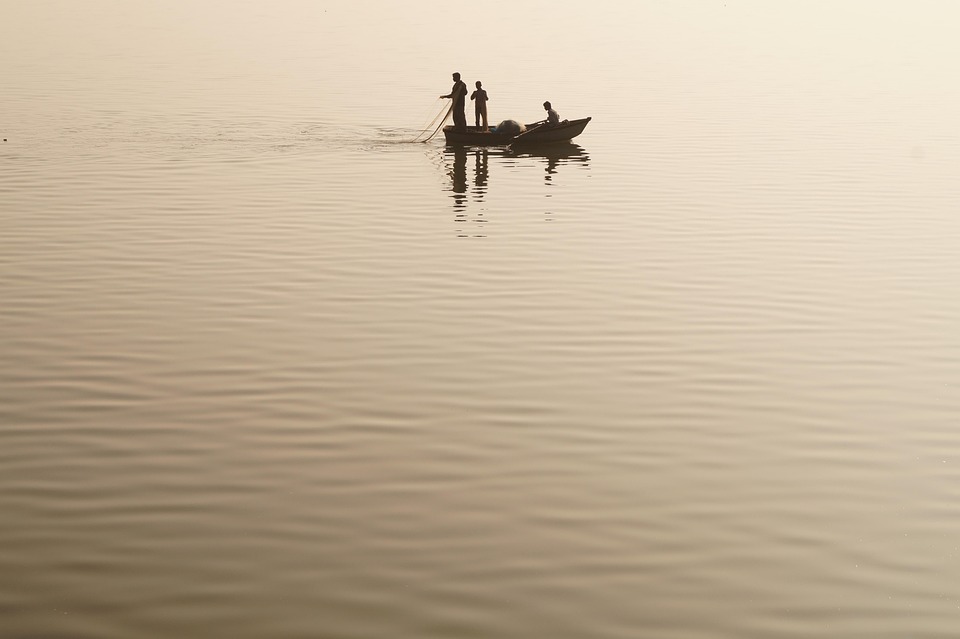



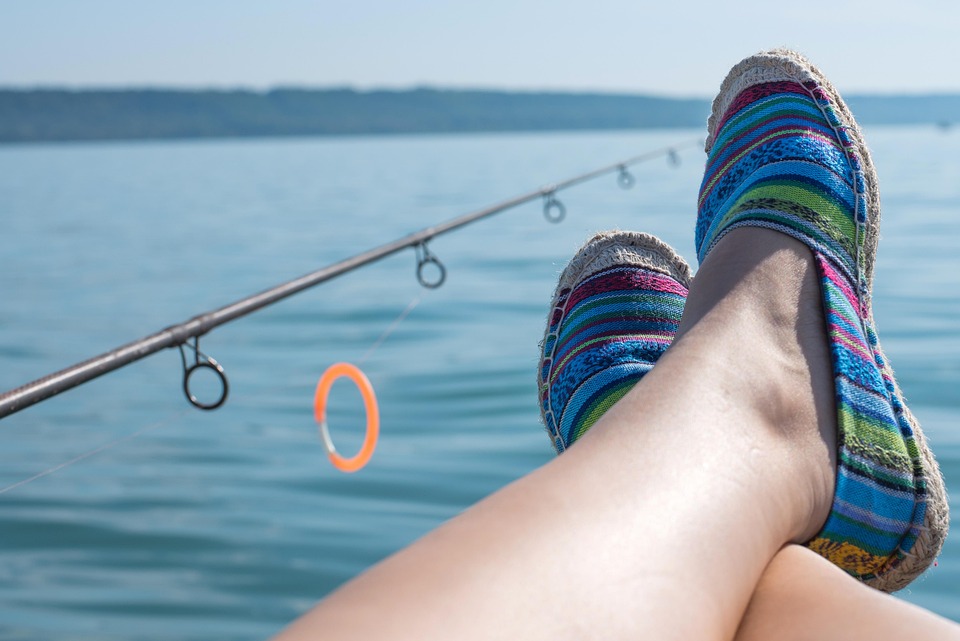


As the sun rises over a tranquil river, the seasoned fly fisher stands poised, rod in hand, ready to cast into the unknown. For those who have dedicated years to the art of fly fishing, each outing is not merely about catching fish; it is an intricate dance of skill, understanding, and the ever-changing dynamics of nature. This article delves into advanced techniques that can elevate your fly fishing game to new heights—helping you not only to catch more fish but to become one with your environment.
Understanding Fish Behavior
Advanced fly fishing requires a deep understanding of the species you aim to catch. Each type of fish has unique behaviors that vary based on their habitat, time of year, and what they are feeding on. Knowing these nuances can significantly improve your chances of success.
Observation Skills
Successful fly fishing hinges on keen observation. Seasoned anglers often spend a few minutes simply watching the water before they make their first cast. Look for:
- Surface Activity: Are there insects hatching? Are fish jumping or rising to the surface? This indicates what’s currently on the menu.
- Water Conditions: Is the water clear, murky, fast, or slow? These factors influence how visible your fly will be to the fish.
- Weather Patterns: Fish behavior can vary with changes in weather, so pay attention to barometric pressure and temperature shifts.
Feeding Patterns
Fish often feed based on specific conditions. For example, spooky fish are best approached with stealth. Understanding the preferred feeding times of the species you are targeting can also maximize your effectiveness. Typically, early mornings and late afternoons see increased fish activity.
Advanced Casting Techniques
Once you’ve pinpointed where the fish are, it’s crucial to get your fly in front of them. Advanced casting techniques can make a significant difference in effectiveness.
Double Haul Casting
The double haul is a technique that allows for longer casts with less physical effort. This technique involves pulling the line with both your rod hand and your non-dominant hand, creating more power and speed in the cast. Mastering the double haul can make a world of difference, especially in windy conditions.
Roll Casts and Spey Casting
In situations where backcasting is limited, roll casts and Spey casts are invaluable. These techniques allow you to cast in tight situations where a traditional backcast might not be possible—like from a boat or under low-hanging branches. Learning these strokes will increase your adaptability on the water.
Choosing the Right Flies
While it’s easy to get lost in the myriad of flies available on the market, the seasoned angler knows that selecting the right fly is paramount. Flies can be categorized into several types:
Dry Flies vs. Nymphing
Dry flies imitate insects that float on the surface, while nymphing targets fish feeding below the surface. Understanding when to switch between these two styles is critical. Many experienced anglers recommend starting with a dry fly to test surface activity, then transitioning to nymphs as conditions change.
Streamers and Terrestrials
Streamers can be effective for larger predatory fish and are often used in moving water. Terrestrials like grasshoppers or ants are excellent when fishing in warmer months, as fish eagerly consume such seasonal delicacies.
Water Reading Skills
Being able to read the water can enhance your fly fishing success. Conditions such as currents, rocks, eddies, and troubled waters all affect how fish behave. When you can identify the areas where fish are likely to hide, your chances of making a successful catch increase dramatically.
Identifying Holding Water
Look for features like:
- Pools: Deeper sections of water where fish can rest.
- Riffles: Fast-moving shallow waters that stir food particles.
- Eddies: Areas behind obstacles like rocks where fish can ambush prey.
Understanding Tippet and Leader Selection
The connection between your line and fly is often overlooked, but proper tippet and leader selection can impact the success of your cast.
Leader Line Strength
Leaders come in different strengths, which can affect visibility and drag in the water. Understanding the right diameter and material foryour fishing conditions can make a difference in your presentation. A lighter leader can be beneficial in clear water to avoid spooking fish.
Tippet Length and Material
The length of your tippet can dictate how your fly performs in the water. A longer tippet provides a more natural presentation, while a shorter one provides more control in fast water. Consider using fluorocarbon tippet for its underwater invisibility, especially when fishing in clear conditions.
Environmental Awareness and Ethics
As stewards of the waterways, seasoned anglers must uphold ethical standards. Practicing catch and release, respecting other anglers, and adhering to local regulations help preserve fish populations and ecosystems.
Best Practices for Conservation
- Handle Fish Carefully: Wet your hands before touching fish to protect their mucous coating.
- Use Barbless Hooks: They make releasing fish easier and cause less damage.
- Be Mindful of Spawn: Avoid known spawn areas during peak periods to protect breeding fish.
Conclusion
Mastering the art of fly fishing is a lifelong pursuit that combines skill, patience, and respect for nature. By diving deep into advanced techniques—understanding fish behavior, refining your casting, choosing the right flies, reading the water, and remaining environmentally aware—you can elevate your fly fishing experience to new heights. How you approach the water and the respect you show for the ecosystem speaks volumes about your commitment as an angler. With each cast, every season, and countless experiences, we continuously learn and evolve, forging a deeper connection with our surroundings and making every outing a memorable one.
FAQs
What is the best time of day for fly fishing?
The best times are usually early morning and late afternoon when fish are most active due to cooler temperatures and increased insect activity.
How do I select the right fly for a specific water body?
Consider the local insect hatch cycles, water clarity, and the species of fish you aim to catch. Observing the water conditions on your outing can also guide your selection.
Can I use the same gear for different types of fly fishing?
While some gear can be interchangeable, it’s advantageous to have specific rods, reels, and line setups for different styles (like streamers vs. dry flies) for optimal performance.
How can I improve my casting technique?
Practice makes perfect. Consider taking a class or watching tutorials focused on advanced casting techniques like the double haul or Spey casting.
Are there specific ethics I should follow while fly fishing?
Yes! Always follow local regulations, practice catch-and-release where appropriate, and respect the environment by minimizing your impact on natural habitats.
- advanced fly fishing
- bass fly fishing
- dry fly fishing
- fly casting techniques
- fly fishing
- fly fishing destinations
- fly fishing flies
- fly fishing for beginners
- fly fishing gear
- fly fishing guides
- fly fishing reels
- fly fishing rivers
- fly fishing rods
- fly fishing species
- fly fishing techniques
- fly fishing tips
- fly tying
- fly tying patterns
- freshwater fly fishing
- lake fly fishing
- nymph fishing
- river fly fishing
- salmon fly fishing
- saltwater fly fishing
- steelhead fly fishing
- stream fly fishing
- streamer fishing
- trout fly fishing
- wet fly fishing
- worldwide fly fishing












Leave a comment