











Bass fishing is more than just a hobby; it’s a way of life for many fishing enthusiasts. The thrill of reeling in a big catch and the serenity of being on the water can make for a rewarding experience. But for beginners, it can feel daunting. This guide breaks down the essentials of bass fishing, helping you navigate the basics—whether you’re eager to cast off from shore or looking to secure your first boat rental.
Understanding Bass Species
Bass fishing primarily revolves around two main species: Largemouth Bass and Smallmouth Bass. Understanding their behaviors and habitats is crucial for a successful fishing trip.
- Largemouth Bass: Easily recognizable by its broad mouth and greenish hue, the Largemouth Bass thrives in warm waters and prefers vegetative areas like shallow lakes, ponds, and rivers.
- Smallmouth Bass: More streamlined and aggressive compared to their Largemouth counterparts, Smallmouth Bass are often found in cooler, flowing waters such as streams and rocky lakes. They typically exhibit a bronze-brown coloration.
Essential Gear and Equipment
To ensure a successful outing, having the right gear is foundational. Here are the essentials:
Rod and Reel
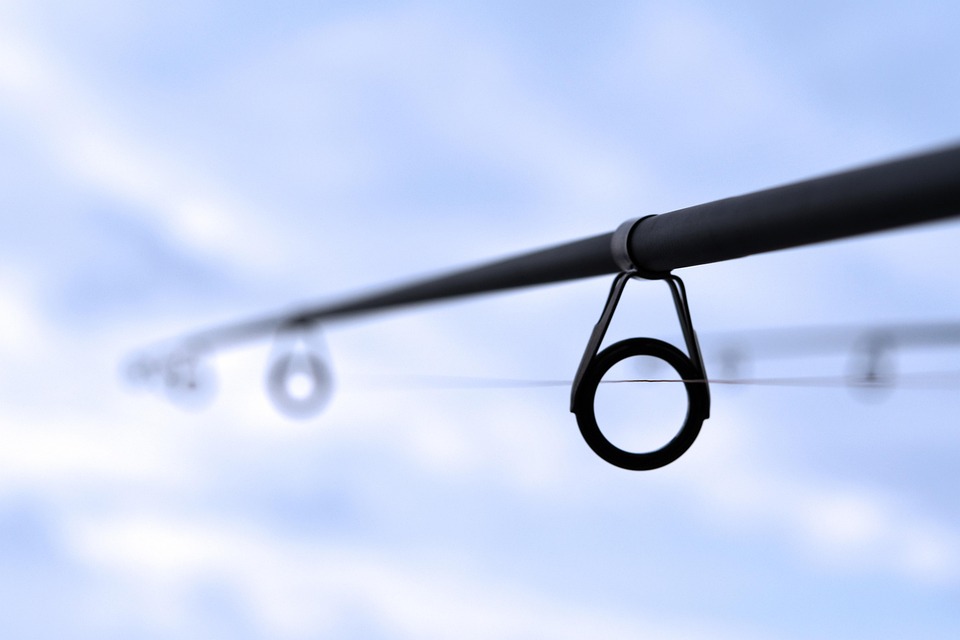
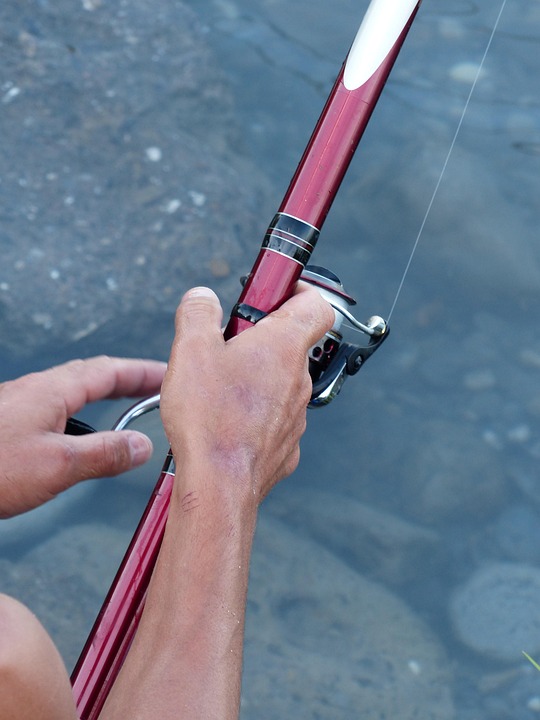
A medium-action rod paired with a baitcasting or spinning reel is ideal for both sizes of bass. For beginners, a spinning reel is generally easier to use. Aim for a line weight of 10-20 lbs for freshwater fishing.
Baits and Lures
Bass can be tempted by various lures and baits:
- Soft Plastics: Worms, creature baits, and creature-style baits mimic natural prey and are effective year-round.
- Jigs: Versatile and effective, jigs can be used in various depths.
- Spinnerbaits: Great for covering more water, particularly in windy conditions.
- Topwater Lures: These work well during early mornings or late evenings when bass are feeding on the surface.
Fishing Tackle Box
Your tackle box should include:
- Hooks
- Weights
- Swivels and snaps
- Various lures
- Fishing line
Other Gear
Don’t forget a good pair of polarized sunglasses to reduce glare from the water, a hat for sun protection, and a first aid kit for unexpected situations.
Choosing the Right Location
The success of your bass fishing efforts often hinges on location. Here are some popular spots:
- Lakes and Ponds: Target areas with structure such as submerged trees, rocks, or vegetation.
- Rivers and Streams: Look for eddies and current breaks, as bass like to ambush prey in calm water.
- Reserves and Public Access Areas: Many states have designated fishing areas, which can be a great resource for beginners.
Understanding Bass Behavior
Knowing how bass behave can elevate your fishing success. Here are key factors to consider:
Weather Conditions
Overcast days are often more productive as bass are less cautious. Bright sunny days may lead bass to seek shelter in deeper waters or shade.
Seasonal Patterns
Bass spawn in spring, leading to aggressive feeding patterns as they protect their nests. In summer, they tend to retreat to cooler, deeper water. Fall often sees bass returning to shallows, preparing for winter.
Time of Day
Generally, the best times to fish are during dawn and dusk when bass are more likely to be active and feeding.
Basic Techniques for Bass Fishing
Cast and Retrieve
Start with a simple cast and retrieve technique. Cast your lure near likely bass hiding spots and reel it in at a consistent pace. Vary your retrieval speed—bass can be attracted to both slow and fast movements.
Drop Shot Technique
The drop shot technique involves suspending your bait above the bottom, which can be especially effective in deep water. Attach a weight to your line, then tie a hook about 12-18 inches above it. This method is excellent for finicky bass.
Pitching and Flipping
These techniques involve short, accurate casts into tight spots like vegetation or docks. Use them when you see visible structures that could harbor fish.
Safety and Conservation
While fishing can be a peaceful and enjoyable pastime, safety and conservation should always be a priority:
- Wear a life jacket: If you’re fishing from a boat, always wear a life jacket.
- Be mindful of local regulations: Each region has different fishing laws regarding size limits, possession limits, and seasons.
- Practice catch and release: This helps maintain fish populations for future generations of anglers to enjoy.
Conclusion
Bass fishing presents a unique blend of skill, patience, and immersion in nature. Whether you’re looking to enjoy a day on the water with friends or seeking the thrill of catching your first bass, understanding the basics outlined in this guide is crucial for any beginner fisherman. Remember, every expert was once a beginner. Take your time to learn the techniques, enjoy the process, and celebrate every catch—big or small.
FAQs
1. What is the best time of year to go bass fishing?
Spring and Fall are typically considered the best times for bass fishing, as the fish are more active and feeding heavily during these seasons.
2. Do I need a fishing license?
Yes, most places require an appropriate fishing license to fish legally. Make sure to check local regulations.
3. Can I catch bass from the shore?
Absolutely! Many bass anglers prefer fishing from the shore, especially in spots with good water access and structure.
4. What kind of bait should I use for bass fishing?
Popular baits for bass fishing include soft plastics, jigs, and topwater lures. Experimentation can help you determine which works best in your local waters.
5. How do I know if I have a bite?
Look for subtle changes in your line or rod tip. A soft tug often indicates a bite, while a sharp jerk may signify a larger fish.
- beginner bass fishing
- beginner carp fishing
- beginner catfish fishing
- beginner fishing advice
- beginner fishing baits
- beginner fishing gear
- beginner fishing guides
- beginner fishing guides online
- beginner fishing knots
- beginner fishing lures
- beginner fishing mistakes
- beginner fishing reels
- beginner fishing rods
- beginner fishing strategies
- beginner fishing techniques
- beginner fishing tips
- beginner fishing trips
- beginner fishing tutorials
- beginner fishing videos
- beginner fly fishing
- beginner freshwater fishing
- beginner muskie fishing
- beginner panfish fishing
- beginner pike fishing
- beginner saltwater fishing
- beginner trout fishing
- fishing basics
- fishing for beginners
- how to fish
- new anglers tips










Leave a comment