















Catfishing is more than just a pastime; it’s a thrilling experience that brings together outdoor enthusiasts, nature lovers, and fishing aficionados alike. Known for their size and tenacity, catfish offer a unique challenge to anglers across the globe. Whether you’re a first-timer or seeking to sharpen your skills, this guide will provide essential information, tips, and techniques to help you catch these formidable fish.
The Allure of Catfishing
Catfish are available in various species, the most popular among anglers being the channel catfish, blue catfish, and flathead catfish. These fish inhabit numerous freshwater environments, from lakes and rivers to ponds. Their adaptability makes them relatively easy to find, but catching big ones takes a specialized approach.
Understanding Catfish Species
Before setting out on your catfishing adventure, it’s essential to know the types of catfish you might encounter:
- Channel Catfish: Easily recognizable by their forked tails and deeply forked tails, channel catfish are found in rivers, lakes, and ponds. They typically weigh between 5 to 20 pounds.
- Blue Catfish: Known for their size, the blue catfish can grow over 100 pounds. They have a bluish tint and a streamlined body, making them a prized catch.
- Flathead Catfish: Recognized by their broad, flat heads, flathead catfish usually prefer structure, such as logs or rocks, making them a challenge to catch as they often stay hidden.
Essential Gear for Catfishing
Having the right gear can make a significant difference when trying to reel in big catfish. Here’s a comprehensive list of essential tools:
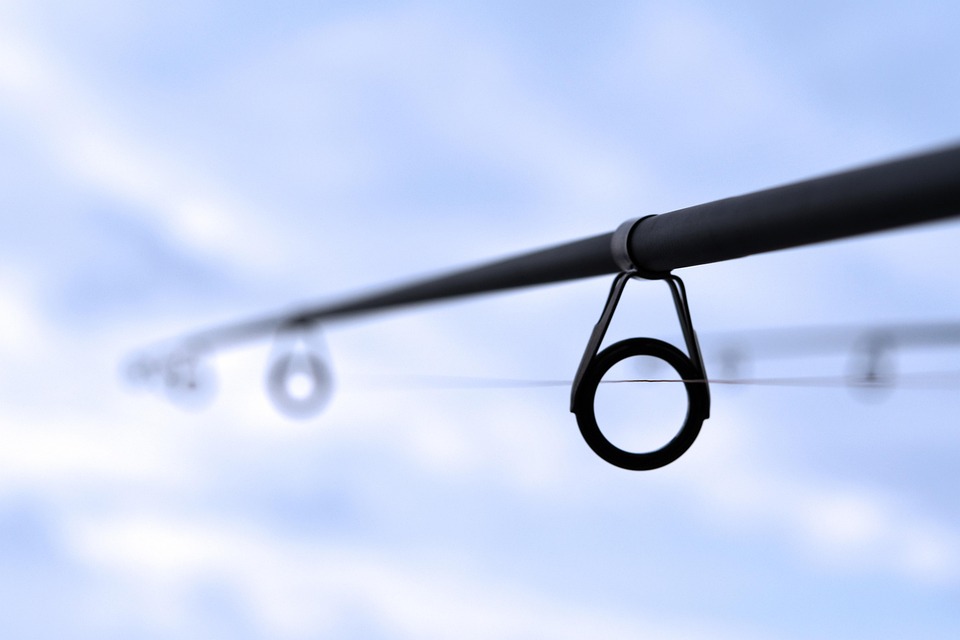
- Rod and Reel: A medium to heavy-action rod combined with a reel that can hold at least 150 yards of line is ideal for landing larger catfish.
- Line: Braided line (65-80 lb test) is recommended for catfishing, especially when targeting big ones. This type of line has low stretch and superior strength.
- Hooks: Circle hooks or octopus hooks in sizes 4/0 to 12/0 are popular choices. They assist in securely hooking the catfish’s lip.
- Bait: Live or cut bait such as shad, liver, or even hot dogs can attract catfish effectively. Choose your bait based on the local waters.
- Weights: Use weights that allow your bait to sink to the bottom where catfish typically feed. A sliding sinker rig is often used.
Finding the Best Locations
Identifying the most productive fishing spots is crucial. Here are key locations where you’re likely to find hungry catfish:
- Deep Holes: Catfish often seek refuge in deeper waters during the day, emerging to feed at night.
- Structures: Areas with submerged structures, such as rocks, logs, or drop-offs, provide excellent hiding spots for catfish.
- Current Breaks: Catfish frequently gather behind current breaks in rivers where they can ambush prey.
Effective Fishing Techniques
Now that you have the gear and know where to find catfish, let’s explore some effective techniques to catch them.
1. Bottom Fishing
This method involves letting your bait rest on the bottom. When a catfish bites, the weight will signal the catch. Set your drag accordingly to prevent break-offs.
2. Jug Fishing
Jug fishing involves placing baited jugs (or floats) in the water, allowing catfish to take the bait. After a few hours, check the jugs for catches.
3. Trotlines
A trotline is a common technique where a long line is set with multiple hooks. This method can yield multiple catches at once and is particularly effective in areas with a high catfish population.
4. Bank Fishing
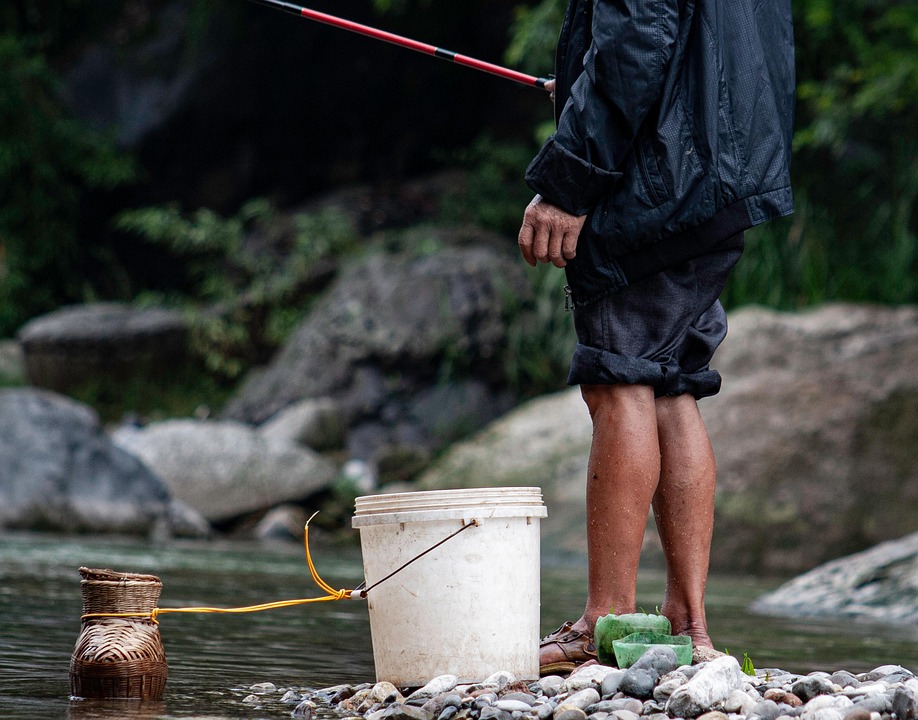
Catfish are often caught from banks, especially during spawning seasons. Fishing at night with lights can attract prey and lure catfish closer to the shore.
Safety Considerations
Fishing can be a blissful experience, but safety should never be overlooked. Here are some crucial safety tips:
- Wear a Life Jacket: Always wear a life jacket when out on the water, particularly in boats.
- Stay Hydrated: Bring plenty of water to stay hydrated during long fishing sessions.
- Check Weather Conditions: Before heading out, inspect the forecast and avoid fishing in poor weather.
- Respect Local Regulations: Always adhere to local fishing regulations regarding catch limits and permitted fishing areas.
Cleaning and Cooking Your Catch
Once you’ve successfully caught your catfish, it’s time to clean and prepare your meal. Here’s how:
Cleaning the Fish
Using a sharp filleting knife, carefully scrape the scales off the fish, then make an incision behind the gills down to the belly. Remove the innards and rinse thoroughly under cold water.
Cooking Methods
Catfish can be cooked in various ways — frying, grilling, or baking are popular choices. Here’s a simple fried catfish recipe:
- Soak the fillets in buttermilk for at least an hour.
- In a bowl, combine cornmeal, flour, salt, and pepper.
- Heat oil in a frying pan and dredge the fillets in the cornmeal mixture.
- Fry until golden brown and serve with lemon wedges and tartar sauce.
Conclusion
Catfishing opens the door to an exciting outdoor adventure filled with the possibility of landing some of the most sought-after freshwater fish. With the right gear, techniques, and knowledge, you’ll be well on your way to reeling in those big ones. Remember to respect nature and follow local regulations, ensuring that you and future anglers can enjoy the thrill of catfishing for years to come.
FAQs
1. What is the best time of year to go catfishing?
The best time to go catfishing usually falls in the late spring and summer months when the water temperatures rise, and catfish are more active.
2. Do catfish prefer certain types of bait?
Yes, catfish are known to prefer cut bait, live bait, and in some cases, stink bait. Experiment with different types to find what works best in your local waters.
3. How do I know if I have a catfish on my line?
Catfish bites are usually characterized by steady pulls or slight tugs on the line. Go with your instincts and reel in when you feel consistent pressure.
4. Can I catch catfish from the shore?
Absolutely! Many anglers successfully catch catfish from riverbanks and lake shores, particularly during the evening or at night.
5. Are catfish safe to eat?
Yes, catfish are safe to eat, but always ensure they are caught in waters free from pollution and follow local health advisories regarding consumption.
- advanced catfish fishing
- blue catfish fishing
- catfish angling
- catfish bait
- catfish fishing
- catfish fishing for beginners
- catfish fishing gear
- catfish fishing guides
- catfish fishing reels
- catfish fishing rods
- catfish fishing seasons
- catfish fishing spots
- catfish fishing tactics
- catfish fishing techniques
- catfish fishing tips
- catfish hooks
- catfish rigs
- catfish species
- channel catfish fishing
- cut bait catfish fishing
- deep water catfish fishing
- flathead catfish fishing
- lake catfish fishing
- live bait catfish fishing
- monster catfish fishing
- night catfish fishing
- river catfish fishing
- shallow water catfish fishing
- stink bait catfish fishing
- trophy catfish fishing














Leave a comment