

















Ocean fishing offers an exhilarating combination of adventure, relaxation, and the thrill of the catch. For many, casting a line into the vast, blue waters is not just a hobby; it’s a way of life. From the novice looking to make their first catch to seasoned pros seeking the adrenaline rush of deep-sea fishing, understanding the nuances of ocean fishing can significantly enhance the experience. This guide aims to equip you with the essential knowledge and tips for embarking on your own ocean fishing adventure.
Understanding Ocean Fishing
Ocean fishing can be broadly categorized into two main types: shore fishing and boat fishing. Each offers unique challenges and rewards, requiring different skills, equipment, and techniques.
Shore Fishing
Shore fishing, also known as surf fishing, typically involves casting lines from the beach or piers. This type of fishing allows anglers to enjoy the scenery while targeting species that thrive near the coastline. Common catch includes:
- Snapper
- Flounder
- Sea bass
- Bluefish
For the best results, anglers should consider factors like tide patterns, time of day, and weather conditions. Sunset and sunrise are often the prime times for fishing, as many species are more active during these hours.
Boat Fishing
Boat fishing opens up a world of deeper waters and larger species. This adventure can range from a few miles offshore to hundreds of miles out, where anglers seek trophy-sized catches like:
- Tuna
- Mahi-Mahi
- Shark
- Marlin
This type of fishing often requires specialized gear and knowledge about navigation and safety. It’s crucial to understand the local regulations regarding the types of fish that can be caught and the required permits.
Essential Gear for Ocean Fishing
Having the right equipment is vital for a successful fishing trip. Here’s a breakdown of essential gear:
Fishing Rod and Reel
Your choice of rod and reel depends on the type of fishing you plan to do. For shore fishing, a medium to heavy spinning rod (7-9 feet long) is generally advisable. Boat fishing often requires larger, heavy-duty reels designed to handle big game fish.
Lines and Tackle
Test the waters with different types of fishing lines, such as monofilament, braided, and fluorocarbon lines, to find what works best for your fishing style. Select tackle based on your target species; larger hooks and heavier weights are necessary for deep-sea fishing.
Baits and Lures
Live bait like shrimp or minnows can be very effective, but artificial lures—ranging from jigs to poppers—can also yield excellent results. Research what works best for your target catch, as different species can have varying preferences.
Techniques for Successful Fishing
Mastering various fishing techniques is key to increasing your catch rate. Here are some popular methods used in ocean fishing.
Bottom Fishing
This technique involves dropping bait to the ocean floor, ideal for species that dwell close to the bottom like grouper and snapper. Use a weight to keep the bait on the seafloor and wait for a bite.
Trolling
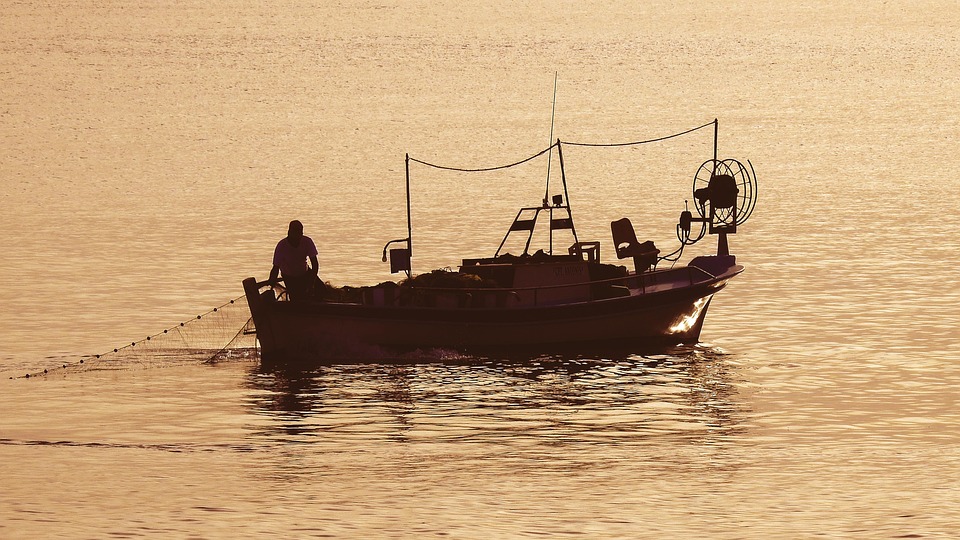
Commonly used in boat fishing, trolling involves dragging lures or baits behind a moving boat. This method covers large areas, allowing you to target fast-moving species and is particularly effective for catching tuna and Marlin.
Drift Fishing
In this technique, a boat drifts along with the current, allowing bait or lures to be cast as you go. This method can lead to a successful catch as you present your bait naturally to different depths.
Safety While Fishing
Safety should always be a priority while pursuing ocean fishing adventures. Here are some important safety tips:
- Always wear a life jacket when on a boat.
- Keep a first-aid kit on board.
- Check weather conditions before heading out.
- Inform someone about your fishing plans, including expected return time.
- Equip yourself with a communication device (like a radio or satellite phone).
Environmental Considerations
The ocean is a delicate ecosystem that demands respect and responsible fishing practices. Here are a few ways to minimize your impact:
- Practice catch and release to help maintain fish populations.
- Follow local regulations and size limits on fish.
- Dispose of trash properly; never leave anything behind.
- Educate yourself on sustainable fishing practices.
Choosing the Right Location
The best fishing spots can vary based on geography, breeding seasons, and even the time of day. Some popular fishing destinations include:
- Florida Keys: Known for its diverse species and crystal-clear waters.
- Monterey Bay, California: A prime location for harboring big game fish.
- The Great Barrier Reef, Australia: Renowned for its underwater diversity.
- Gulf of Mexico: Excellent for both bottom and surface fishing.
Research local fishing reports and connect with local anglers to find the hot spots for your planned adventure.
Conclusion
Ocean fishing is more than just a way to catch fish—it’s an adventure that brings people together, connecting them with nature and providing unforgettable memories. By understanding the techniques, equipment, and methods discussed in this guide, you’re well on your way to becoming a seasoned ocean angler. So, pick up your rod, grab some bait, and prepare for the thrill of the open waters. Adventure awaits, and every cast could lead to the catch of a lifetime!
FAQs
1. What’s the best time of year for ocean fishing?
While it varies by location and species, many anglers find that spring and fall yield the best results. Fish are more active during these seasons due to spawning behaviors and favorable weather conditions.
2. Do I need a fishing license for ocean fishing?
Yes, most areas require a fishing license for ocean fishing, both for shore and boat fishing. Check local regulations to ensure compliance.
3. What should I do if I catch a shark?
Handle them with care and follow local guidelines. Many species of sharks should be released immediately due to conservation efforts.
4. Can I go ocean fishing without a boat?
Absolutely! Shore fishing is a popular alternative and can be just as rewarding.
5. What are the most common mistakes new anglers make?
Common mistakes include using the wrong gear, not paying attention to weather conditions, and failing to properly research local regulations or species behavior.
- barracuda fishing
- beach fishing
- big game fishing
- bluewater fishing
- boat fishing
- coastal fishing
- deep ocean fishing
- deep sea fishing
- drift fishing
- grouper fishing
- jigging fishing
- kingfish fishing
- mahi mahi fishing
- marlin fishing
- ocean fishing
- offshore fishing
- pier fishing
- reef fishing
- sailfish fishing
- saltwater angling
- saltwater fishing
- saltwater fishing guides
- shark fishing
- shore fishing
- snapper fishing
- sport fishing
- surf fishing
- trolling fishing
- tuna fishing








Leave a comment