










Bluewater fishing represents the ultimate angler’s experience—venturing into the vast expanse of ocean waters to target some of the most prized game fish. This exhilarating pursuit requires not only skill and patience, but also a comprehensive understanding of the marine environment, fishing techniques, and the equipment necessary for success. In this guide, we will explore the essentials of bluewater fishing, from the best practices to safety considerations, ensuring that you are well-prepared for your deep-sea adventure.
What is Bluewater Fishing?
Bluewater fishing typically refers to fishing far offshore in open ocean waters. Unlike inshore fishing, where anglers catch species close to the shore, bluewater fishing takes place in deeper waters, often targeting larger and more challenging species. Common targets include:
- Marlin
- Tuna
- Wahoo
- Swordfish
- Dolphin (Mahi-Mahi)
Gear and Equipment
When preparing for bluewater fishing, the right gear is essential. The following equipment is generally required:
Rod and Reel
Bluewater rods and reels are specially designed to withstand the pressure and force of large fish. Here are some vital aspects to consider:
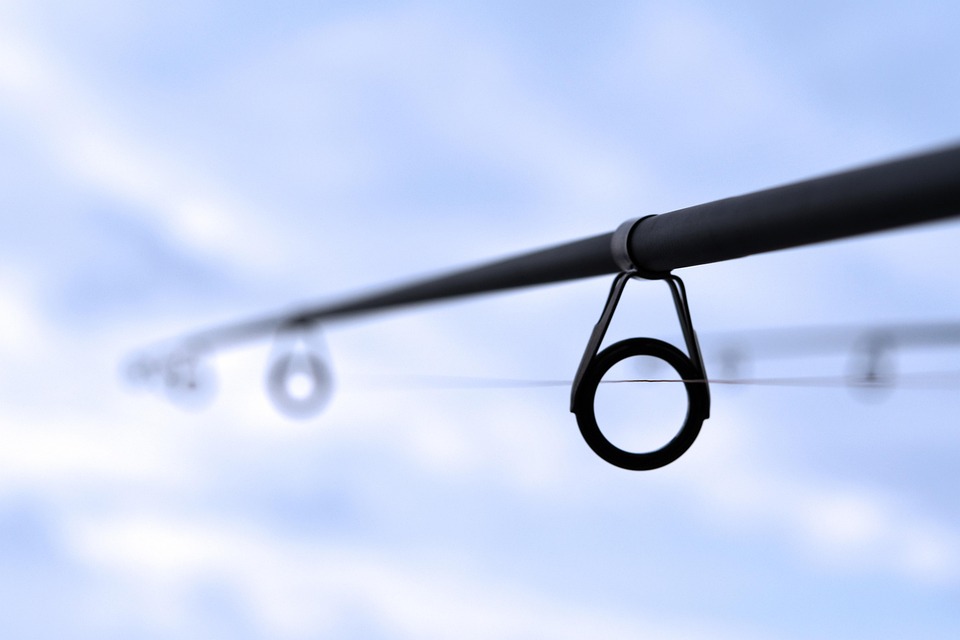
- Rod: Opt for a heavy-duty rod made of graphite or fiberglass, ranging in length from 6 to 12 feet.
- Reel: Choose a saltwater spinning or conventional reel capable of handling high line capacities.
Line and Leader
Bluewater fishing often involves high-strength braided or mono filament lines. Consider the following:
- Main Line: Use a line with a test strength of at least 30-100 pounds, depending on the targeted species.
- Leader Line: Utilize a heavier fluorocarbon leader that helps resist abrasion from fish teeth and rough structures.
Bait and Lures
Choosing the right bait or lure can significantly impact your success rate. Some popular options include:
- Live bait (such as mackerel or sardines)
- Dead bait (like bonito or whole squid)
- Artificials (such as trolling lures, surface poppers, or jigging spoons)
Techniques for Success
Understanding effective fishing techniques is vital for bluewater fishing. Here are some prominent methods:
Trolling
One of the most popular techniques for bluewater fishing, trolling involves dragging bait or lures behind a moving boat. This method allows you to cover large areas and locate schools of fish. Key points to remember:
- Adjust your trolling speed between 5 to 10 knots.
- Use multiple lines at varying depths.
- Experiment with different lure colors and types to attract fish.
Chunking
Chunking entails using cut bait or chumming to attract fish to your boat. There are several steps to follow:
- Cut bait into small pieces and deploy them into the water.
- Allow fish to swarm around the chunks before dropping your baited hooks.
Live Bait Fishing
Using live bait is particularly effective for enticing predatory fish. Ensure you have a reliable source for gathering live bait, and consider the following tips:
- Keep bait alive with a bait tank or aerator.
- Match the live bait to the target species regarding size and type.
Marine Life and Ecosystem Awareness
When engaging in bluewater fishing, anglers must be aware of the marine ecosystem. Sustainability and conservation are critical components to maintain fish populations and preserve habitat. Here are some pointers:
- Understand local fishing regulations, including size limits and bag limits.
- Practice catch and release whenever possible, especially for endangered species.
- Be mindful of marine habitats and avoid anchoring on coral reefs.
Safety Considerations
Fishing in open waters can be unpredictable, so maintaining safety is paramount. Some essential safety tips include:
- Always wear a life jacket.
- Check weather conditions before heading out, as storms can develop quickly.
- Bring a first aid kit, flares, and a reliable communication device.
Conclusion
Bluewater fishing offers an unparalleled experience for anglers willing to venture far from shore. With the right equipment, techniques, and respect for the marine environment, you can embark on a rewarding adventure in pursuit of some of the ocean’s most spectacular species. Whether you are a novice or a seasoned angler, bluewater fishing allows you to challenge yourself while appreciating the beauty of the open ocean. As you explore these depths, remember to practice sustainability and safety, ensuring that future generations can enjoy the thrill of bluewater fishing.
FAQs
1. What is the best time of year for bluewater fishing?
The best time for bluewater fishing can vary based on species and location, but generally, late spring through early fall is considered prime time due to warmer water temperatures and increased fish activity.
2. Do I need a fishing license for bluewater fishing?
Yes, most regions require a valid fishing license for bluewater fishing. Make sure to check local regulations for specific requirements.
3. Is it necessary to hire a charter for bluewater fishing?
While it is possible to fish bluewater from your own boat, hiring a charter can enhance your experience, as they provide local knowledge, equipment, and safety measures.
4. What gear do I need to begin bluewater fishing?
Essential gear includes a heavy-duty rod and reel, high-strength line, lures or bait, and safety equipment like life jackets and a first aid kit.
5. How can I increase my chances of catching fish?
To increase your chances, learn about local fish patterns, experiment with different bait, pay attention to water conditions, and practice good techniques like trolling and chunking.
- big game angling
- big game fishing
- big game fishing baits
- big game fishing destinations
- big game fishing gear
- big game fishing guides
- big game fishing lures
- big game fishing reels
- big game fishing rods
- big game fishing tactics
- big game fishing techniques
- big game fishing trips
- bluewater fishing
- deep ocean fishing
- deep sea fishing
- giant trevally fishing
- kingfish fishing
- mahi mahi fishing
- marlin fishing
- monster fish fishing
- offshore fishing
- offshore trolling
- pelagic fishing
- sailfish fishing
- shark fishing
- sportfishing offshore
- swordfish fishing
- trophy fishing
- tuna fishing
- wahoo fishing














Leave a comment