

















Catfishing has become one of the most popular recreational activities across the United States and beyond. With their massive size and aggressive feeding habits, lake catfish offer an exciting challenge for anglers of all skill levels. Whether you are a seasoned angler or a novice, this comprehensive guide aims to elevate your catfishing game by providing essential tips and tricks.
Understanding Lake Catfish
Lake catfish, primarily belonging to the Ictaluridae family, are prevalent in freshwater lakes, rivers, and ponds. They typically thrive in warm water, making them a popular target during the summer months. Catfish can be recognized by their whisker-like barbels and flat bodies. The three most common species are:
- Channel Catfish: Known for their sleek bodies and distinctive spots, channel catfish are the most sought-after species. They can grow up to 40 pounds.
- Flathead Catfish: These catfish have a large, flat head and can reach weights exceeding 100 pounds. They prefer more substantial cover around rocks and trees.
- Blue Catfish: The largest of the three species, blue catfish, can weigh over 100 pounds. They are often found in deeper waters and are known for their fighting spirit.
Best Fishing Techniques
To maximize your chances of success, employing the right techniques is crucial. Here are some essential fishing methods:
1. Bait Selection
Choosing the right bait is vital for attracting catfish. Some effective options include:
- Live Bait: Using live bait such as worms, shad, or minnows can be highly effective. Live bait tends to generate more interest from larger catfish.
- Cut Bait: Cut-up pieces of baitfish, such as herring or mackerel, work well by emitting a strong scent in the water.
- Prepared Bait: Commercial catfish baits, often dough-like or flavored, can also be successful.
2. Location Matters
Finding the right location is essential when catfishing. Some key spots include:
- Near Structures: Catfish love to hide around rocks, logs, and sunken debris to ambush prey.
- Channel Drops: Catfish often congregate in deeper waters near underwater structures or at the mouth of rivers leading into lakes.
- Stirred-up Mud: Look for muddy areas where catfish often feed, swirling up the sediment.
3. Night Fishing
Catfish are more active during the evening and overnight hours. Fishing at night can greatly increase your chances of a successful catch, as this is when catfish tend to feed heavily.
4. Use the Right Gear
Investing in the right equipment can significantly impact your fishing experience. Here are some recommendations:
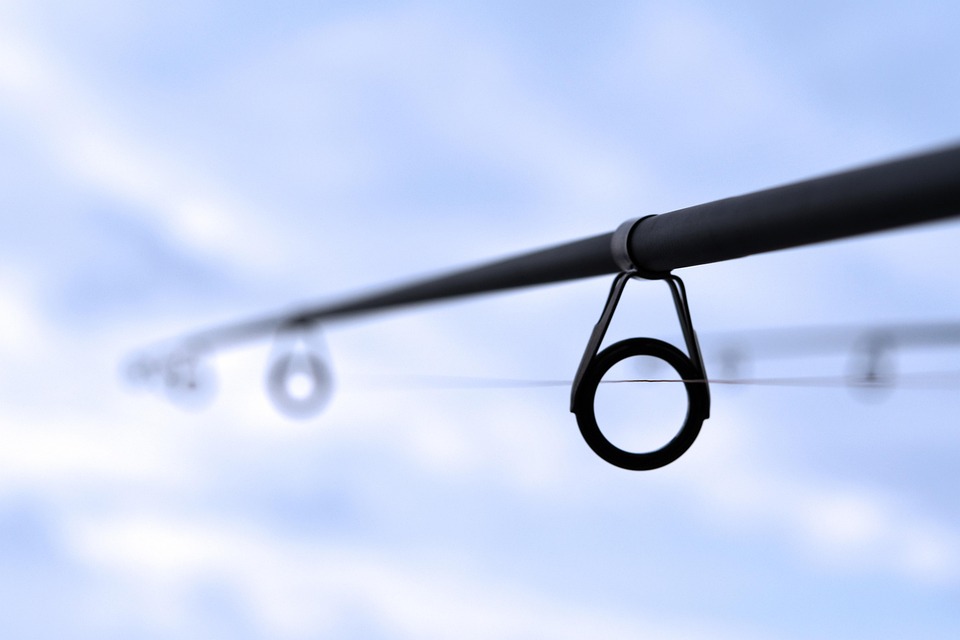
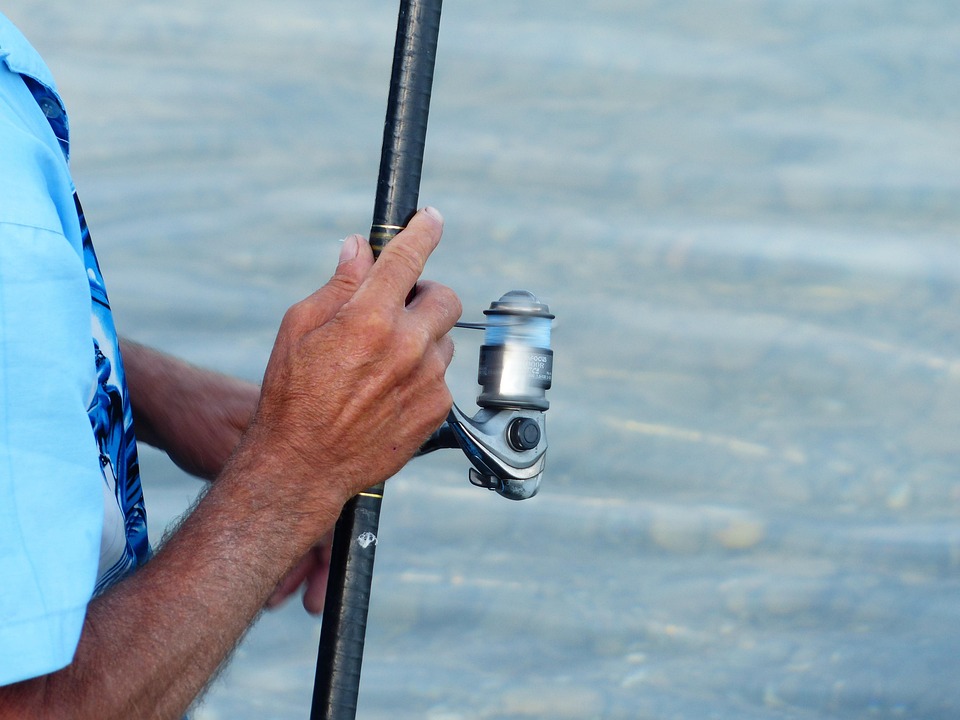
- Rods and Reels: A heavy-action rod paired with a strong reel can withstand the fight of larger catfish.
- Line: Use strong fishing line (at least 20 lb test) to prevent breakage.
- Hooks: Circle hooks are highly recommended, as they tend to hook catfish in the corner of the mouth, making for easier catch and release.
Seasonal Considerations
The time of year can affect catfishing success, and understanding seasonal patterns is essential. Here’s a breakdown:
Spring
With warming waters, catfish become more active. Focus on shallow areas for the best results. Spawning usually occurs in June; catfish will be less active during this time.
Summer
Summer is ideal for catfishing. Target deeper waters during the heat of the day and transition to shallower areas during the cooler evening hours.
Fall
As temperatures drop, catfish will begin to feed heavily in preparation for winter. Pay attention to movements towards deeper, heated waters.
Winter
Catfishing during winter can be challenging but rewarding. Look for areas where water temperatures remain stable, and try using live bait for success.
Strategies for Success
Here are a few pro tips to enhance your catfishing strategy:
- Patience is Key: Catfishing requires patience. Set your bait and wait quietly; excitement can lead to spooking the fish.
- Use Your Senses: Observe the water—look for jumping fish and listen for the sounds of fish activity.
- Change It Up: If you’re not having success in one spot or using one type of bait, be prepared to switch things up.
Conclusion
Mastering the art of lake catfish fishing involves understanding the environment, utilizing effective techniques, and being adaptable to changing conditions. Whether you’re casting your line as a newcomer or have years of experience, the thrill of landing a large catfish is unparalleled. Aim to refine your skills and employ the strategies outlined in this guide, and you’ll increase your chances of success on your next fishing adventure. Embrace patience, be observant, and enjoy the serenity that comes with spending time on the water. Happy fishing!
FAQs
-
What is the best time to fish for catfish?
The best times are generally in the early morning and evening, especially during warmer months, when catfish tend to be more active.
-
What size hook should I use for catfish?
For most catfishing situations, a size 3/0 to 6/0 circle hook is recommended, depending on the size of the bait and the species of catfish you are targeting.
-
Can catfish be caught during winter?
Yes, catfish can be caught in winter, but they have lower activity levels. Target deeper waters and use bait that will attract them.
-
What is the best bait for catching catfish?
Live bait (like worms), cut bait (like shad), and prepared stinky baits are all effective options.
-
How do I know if I have a bite?
Catfish bites may feel like a sharp tug or a series of taps. Pay close attention to your rod tip and be ready to set the hook quickly!
- advanced catfish fishing
- blue catfish fishing
- catfish angling
- catfish bait
- catfish fishing
- catfish fishing for beginners
- catfish fishing gear
- catfish fishing guides
- catfish fishing reels
- catfish fishing rods
- catfish fishing seasons
- catfish fishing spots
- catfish fishing tactics
- catfish fishing techniques
- catfish fishing tips
- catfish hooks
- catfish rigs
- catfish species
- channel catfish fishing
- cut bait catfish fishing
- deep water catfish fishing
- flathead catfish fishing
- lake catfish fishing
- live bait catfish fishing
- monster catfish fishing
- night catfish fishing
- river catfish fishing
- shallow water catfish fishing
- stink bait catfish fishing
- trophy catfish fishing















Leave a comment