













Pike fishing is not just another day by the water; it’s an exhilarating blend of strategy, technique, and respect for nature. Known for their aggressive feeding habits and powerful strikes, pike are among the most sought-after freshwater fish in North America and Europe. In this article, we delve into mastering the art of pike fishing, offering invaluable insights into techniques, gear, and tricks that can turn any angler into a pike-catching machine.
Understanding the Pike
The northern pike (Esox lucius) is a top predator in its habitat, thriving in lakes, rivers, and marshes. These fish can grow up to 40 inches long and weigh over 30 pounds, with an impressive set of sharp teeth designed for quick strikes. Their greenish bodies, adorned with lighter spots and stripes, make them camouflaged in their natural environment.
Choosing the Right Gear
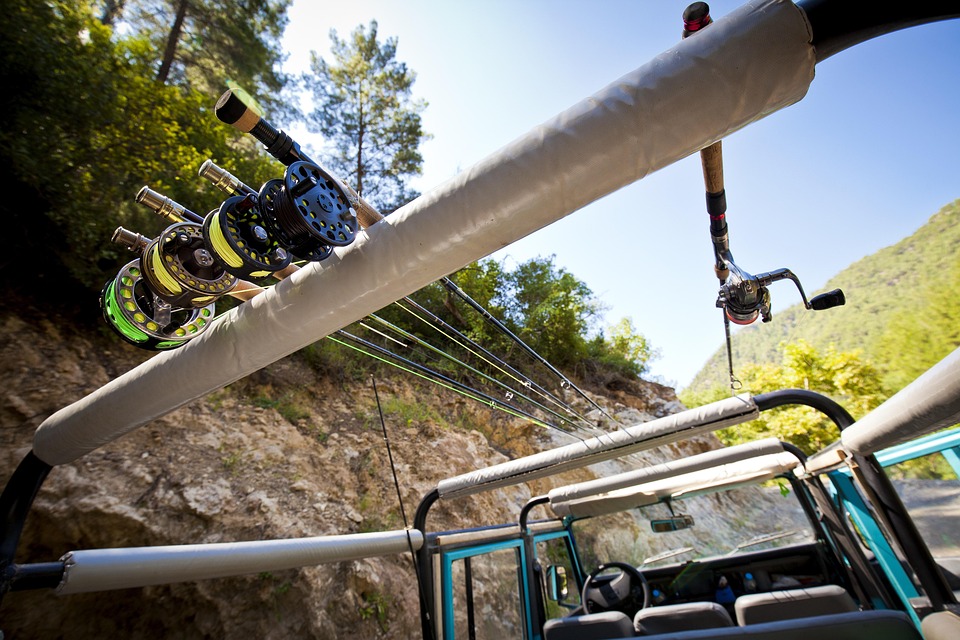
When it comes to pike fishing, selecting the right gear is crucial for a successful outing. Here are the essential components:
Rods and Reels
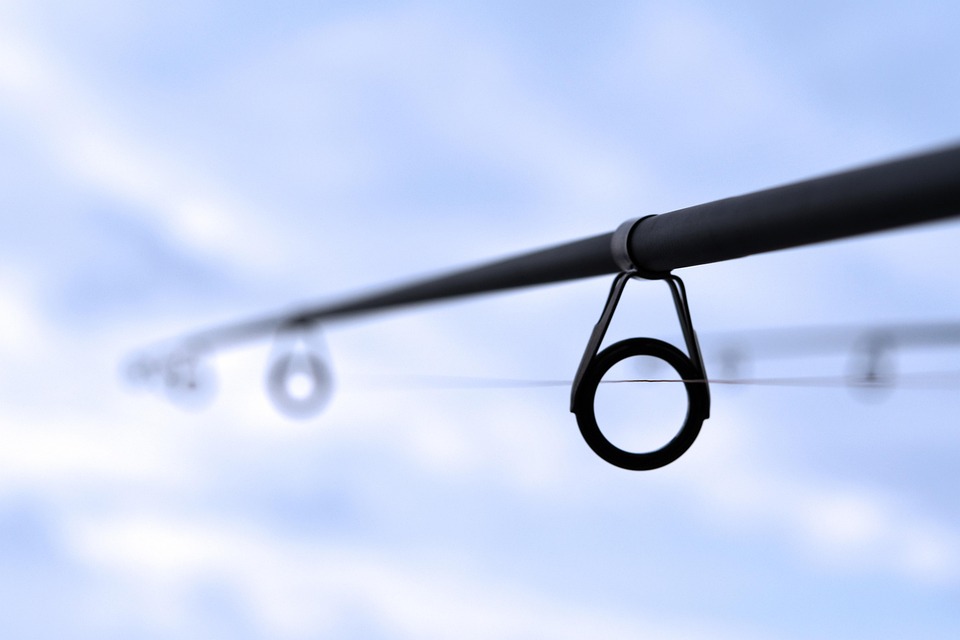
- Rod Length: Opt for a rod between 7 to 9 feet. Longer rods provide better leverage for casting and reeling in large pike.
- Reel Type: A baitcasting reel is often preferred for its precision, but spinning reels can also be effective, especially for beginners.
Line and Leaders
- Main Line: A braided mainline with a test strength of at least 50-80 lbs is recommended for its sensitivity and durability.
- Leader Line: A steel or fluorocarbon leader is essential to prevent pike from biting through your line with their sharp teeth.
Baits and Lures
- Live Bait: Minnows, shad, and small perch are excellent live bait choices.
- Artificial Lures: Consider using spoons, spinners, and swimbaits. They mimic the movement of pike’s natural prey.
The When and Where of Pike Fishing
Pike tend to favor shallow waters, especially during the spring and fall. As the water temperature rises in summer, you’ll find them in deeper waters or lurking near structures like weed beds, rocks, and submerged trees.
Best Seasons
- Spring: This is an optimal time to catch pike as they move to shallower waters for spawning.
- Fall: During the fall, pike feed aggressively to prepare for winter, making this another great time to fish.
Prime Locations
- Weed Lines: Focus on the edges of weed beds where pike often ambush prey.
- Drop-offs: Areas where the water depth suddenly changes can be fruitful as pike cruise these zones.
- Structures: Search around submerged logs, rocks, and other structures where pike may lie in wait.
Techniques for Catching Pike
Mastering different fishing techniques can significantly improve your chances of landing a big pike.
Dead Sticking
This technique involves placing a live bait in a good spot and letting it sit still, which can entice pike to strike.
Jigging
Jigging is effective in deeper waters or during colder months. Drop your jig to the desired depth, then lift and lower it to mimic the natural movement of prey.
Trolling
Trolling allows you to cover larger areas and discover where pike might be hiding. Use lures that run at various depths to find active fish.
Handling Pike Safely and Responsibly
Pike are beautiful creatures deserving of respect. Here’s how to handle them responsibly:
- Use Plier Tools: Always have needle-nose pliers handy to safely remove hooks.
- Wet Your Hands: Before touching the fish, wet your hands to avoid removing their protective slime layer.
- Catch and Release: Consider catch-and-release practices to help maintain healthy fish populations.
Conclusion
Mastering the art of pike fishing requires a combination of knowledge, skill, and respect for the environment. By understanding the behaviors, habitats, and preferences of pike, investing in the right gear, and using effective techniques, anglers can optimize their chances of success. Challenge yourself to explore new waters, refine your skills, and enjoy the thrill that comes with every cast. Whether you’re an experienced angler or just starting out, the pursuit of pike is sure to provide countless memorable moments by the water.
FAQs
1. What is the best time of year to catch pike?
The best times to catch pike are during spring and fall when they feed aggressively. Early morning or late evening can also yield great results.
2. What are the best baits for pike fishing?
Live baits such as minnows and shad are preferred, but artificial lures like spoons and swimbaits are highly effective as well.
3. How do I know if I’ve hooked a pike?
Pike are known for their aggressive strikes. If you feel a strong pull and possibly a hard head shake, you likely have a pike on your line.
4. Can I catch pike in saltwater?
No, pike are freshwater fish and cannot survive in saltwater conditions. Focus your efforts in lakes, rivers, or marshes.
5. What equipment do I need for pike fishing?
Essential equipment includes a sturdy rod, a reliable reel, a strong braided line, a steel or fluorocarbon leader, and various lures or live bait.
- advanced predator fishing
- aggressive fish fishing
- barracuda fishing
- barracuda lure fishing
- freshwater predator fishing
- large predator fishing
- muskie fishing
- muskie lure fishing
- pike fishing
- pike lure fishing
- predator angling
- predator fishing
- predator fishing baits
- predator fishing destinations
- predator fishing for beginners
- predator fishing gear
- predator fishing guides
- predator fishing lures
- predator fishing reels
- predator fishing rigs
- predator fishing rods
- predator fishing seasons
- predator fishing spots
- predator fishing tactics
- predator fishing techniques
- predator fishing tips
- predatory fish fishing
- saltwater predator fishing
- zander fishing
- zander jigging








Leave a comment