















As the sun begins to rise on a warm summer morning, the first soft rays of light penetrate the water’s surface, creating a mirror-like reflection. It is in this magical time that the sport of topwater lure fishing comes alive. The rhythmic plop of lures hitting the water and the explosive strikes of fish breaking the surface transform an ordinary day into an unforgettable experience for any angler.
The Allure of Topwater Fishing
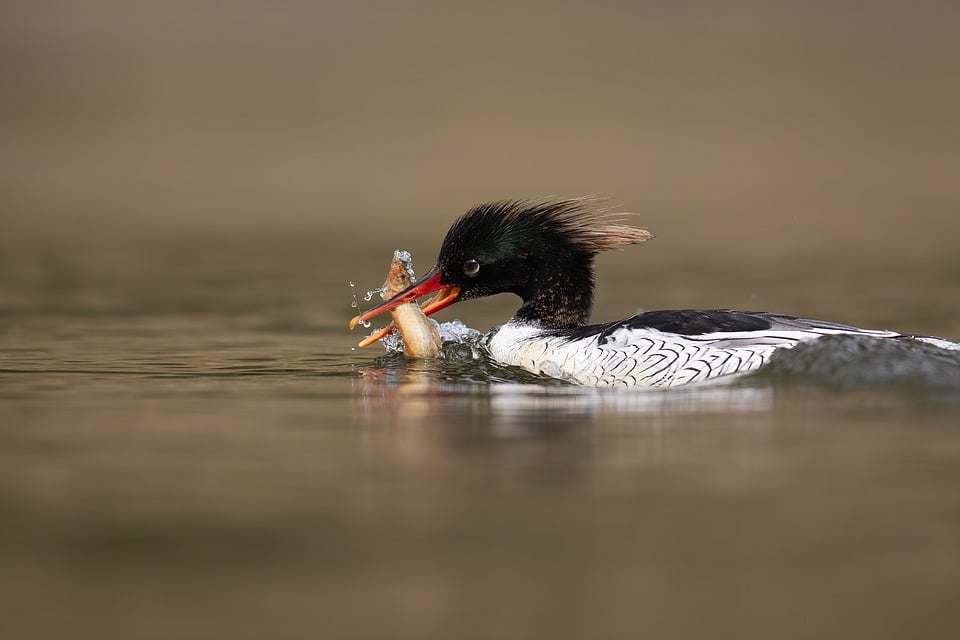
Topwater lures have a unique ability to draw fish from depth, enticing predatory species such as bass, pike, and trout to explode from beneath the water. This fishing technique is not just about catching fish; it’s about the thrill of visual engagement and the excitement of seeing a predator strike its prey. The art of topwater fishing is steeped in strategy, patience, and skill.
Understanding Topwater Lures
Before delving deeper into techniques, it’s imperative to understand the various types of topwater lures available and their specific applications. Here are some common types:
- Popper Lures: These lures create a popping sound when retrieved, mimicking the sound of struggling prey.
- Walking Bait: Designed to be moved side-to-side in a zigzag manner, they mimic a fish in distress.
- Buzz Baits: These lures create a commotion on the surface with a spinning blade, drawing attention from below.
- Frog Lures: Great for lily pads and thick cover, these lures mimic the movement of small amphibians.
The Best Time for Topwater Fishing
The effectiveness of topwater lures is heavily dependent on environmental factors. Early morning and late evening tend to be the most productive times, as fish are actively feeding. Additionally, overcast days can enhance bite chances since lower light conditions can prompt fish to roam closer to the surface.
Techniques for Mastery
Mastering the art of topwater lure fishing involves understanding and implementing several key techniques that can enhance your success rate.
1. Choose the Right Lure
Different fish species favor different lures. The choice of lure should be based on the type of fish you aim to catch, the water conditions, and local fish behavior. For instance, a popper might be more effective for bass in shallow, murky waters, while a walking bait may attract trout in clearer environments.
2. Perfect Your Retrieve
How you retrieve your lure can be just as important as the lure itself. Experiment with various retrieval speeds, pauses, and movements to find what works best in the given conditions. A slow, steady retrieve often works well, but incorporating quick jerks can create a more enticing action that provokes strikes.
3. Be Patient
Topwater fishing requires a level of patience that can test even the most seasoned anglers. After casting, allow the lure to sit for a few seconds before beginning your retrieve. This pause can be crucial, as fish often prefer to observe their prey before striking.
Optimal Equipment for Topwater Fishing
Your equipment also plays a crucial role in the success of topwater fishing. Here’s what you’ll need:
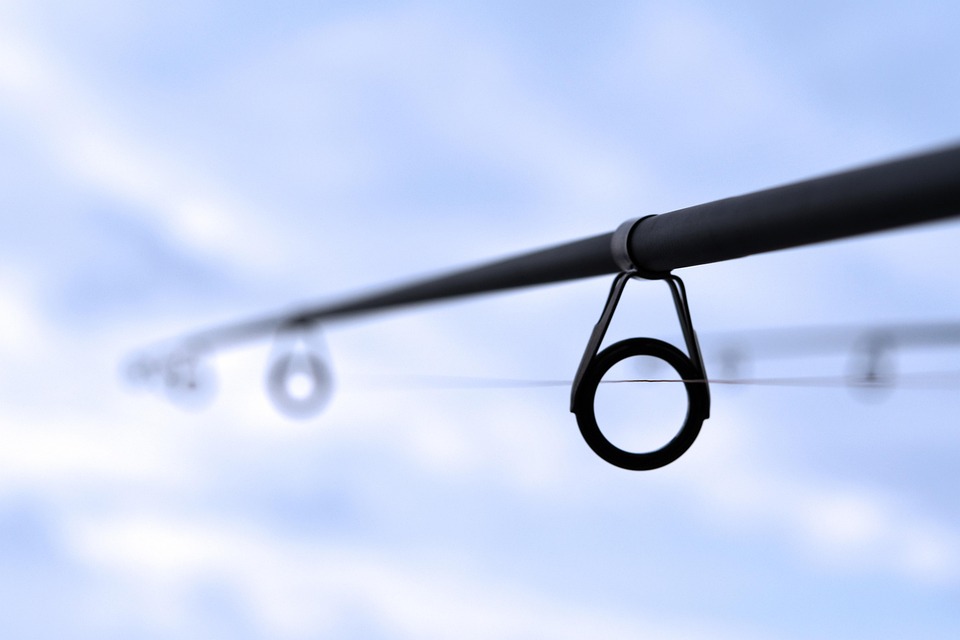
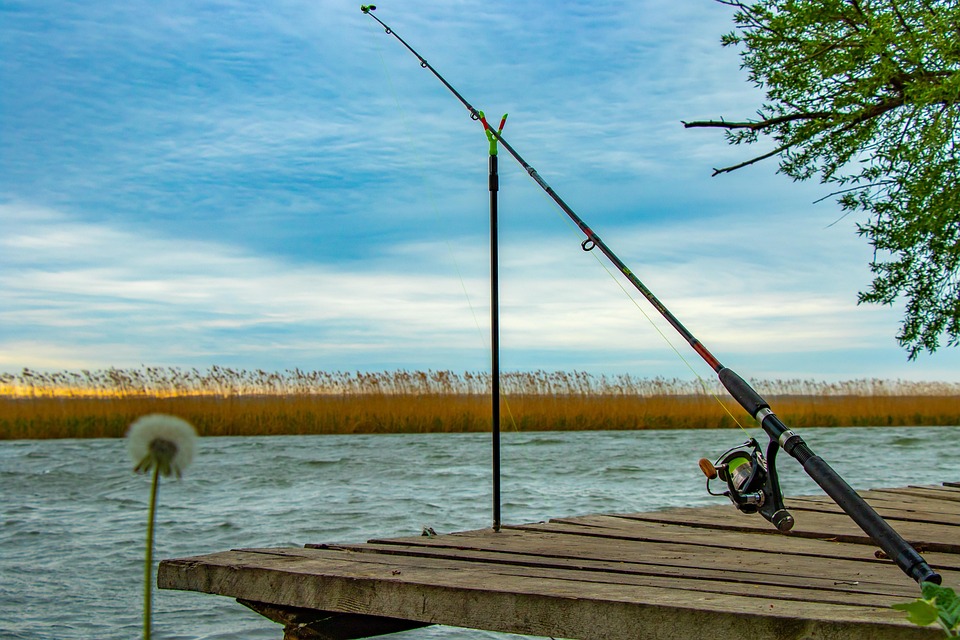
- Rods: A medium to medium-heavy action rod of 6-7 feet is ideal for handling the explosive strikes that topwater lures often elicit.
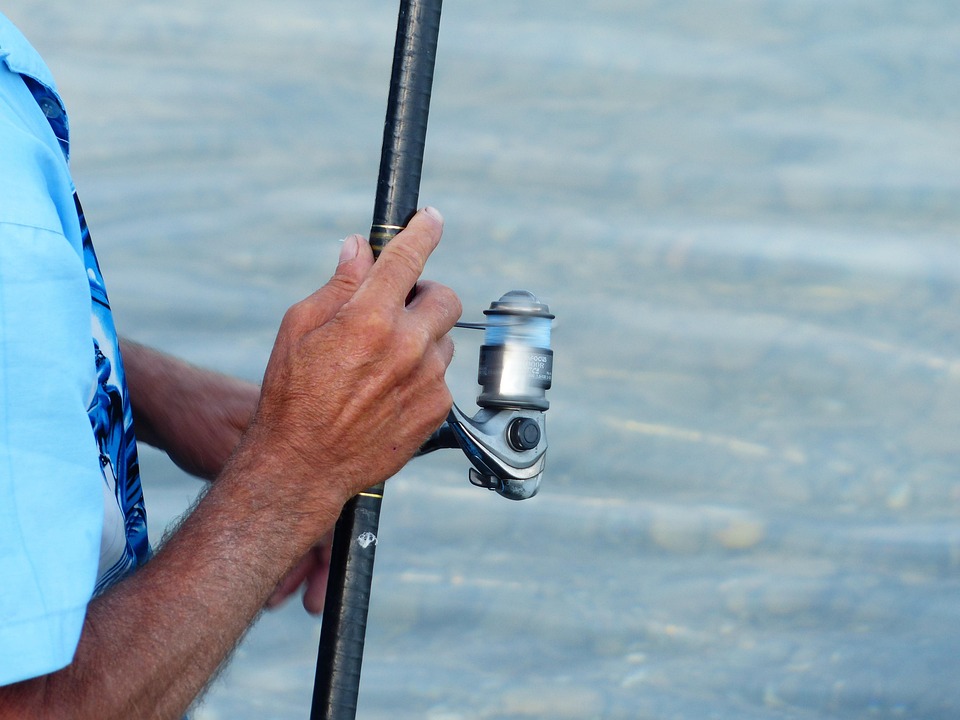
- Reels: A baitcasting reel is often recommended for precision casting, but spinning reels can also be effective, especially for lighter lures.
- Line: Use braided line for superior sensitivity and reduced stretch, allowing you to feel the subtle bites and react promptly.
Reading the Water
Understanding the environment is key to a successful fishing experience. Look for areas where fish are likely to congregate, such as:
- Shallow flats, particularly near underwater structures.
- Weed beds or lily pads where cover is abundant.
- Points or humps that disrupt the flow of currents.
Troubleshooting Common Issues
Every angler faces challenges, whether it’s missed strikes or less-than-ideal catch rates. Here are some common issues and potential solutions:
- Missed Strikes: This might occur if your hook isn’t sharp enough or if you’re reacting too late. Make sure to check your tackle before heading out.
- Fish Not Biting: If no bites are observed, consider changing the lure style, color, or the speed of your retrieve. Sometimes, simply switching to a different location can work wonders.
The Joy Beyond Catching
While the excitement of catching fish is rewarding, the true essence of topwater fishing lies in connecting with nature. The tranquility of the morning, the ripples of water, and the thrill of anticipated bites are experiences that linger long after the fish have been released. Embracing this journey is as important as the final catch.
Conclusion
Topwater lure fishing is an art form that combines the thrill of anticipation with technical skill and environmental awareness. Through understanding the nuances of lure types, effective techniques, and proper equipment, any angler can rise to the occasion and turn a casual outing into a memorable adventure. As you venture out onto the water, remember that every cast is a new opportunity for excitement and discovery. Embrace the journey, remain patient, and let the serene beauty of nature enhance your fishing experience.
FAQs
What are the best lures for beginners in topwater fishing?
For beginners, poppers and walking baits are great options due to their ease of use and effectiveness in attracting fish. They create enticing movements that draw fish to the surface.
Is topwater fishing effective year-round?
Topwater fishing is generally more effective during warmer months. However, fish can occasionally be caught using topwater lures in the cooler months if conditions are right, particularly during dawn or dusk.
How can I tell if fish are near the surface?
Look for signs like jumping fish, birds diving into the water, or ripples that indicate activity below. These can be clear indicators that it’s time to break out the topwater lures.
How can I improve my casting accuracy?
Practice is key! Use a casting plug or practice with your lure in an open space. Focus on your stance and follow-through, and consider using shorter rods for better control.
What should I do if I hook a fish while using topwater lures?
Once hooked, keep the tension on the line and avoid rushing the fish. Allow the fish to tire itself out before bringing it in. This reduces the chances of losing your catch.
- artificial lures
- bait and lure guides
- bait presentation techniques
- bait rigging tips
- bait selection
- crankbaits
- cut bait
- fishing bait setup
- fishing bait techniques
- fishing bait tips
- fishing for bass bait
- fishing for carp bait
- fishing for catfish bait
- fishing for pike bait
- fishing for saltwater species
- fishing for trout bait
- fishing lure colors
- fishing lure selection
- fishing lure sizes
- fishing lure techniques
- fishing lure types
- fishing lures
- flies
- hard baits
- jigs
- live bait fishing
- seasonal bait choices
- soft plastic lures
- spinnerbaits
- topwater lures










Leave a comment