















Trout fishing is more than just a pastime; it’s a profound connection to nature, patience, and skill honed over time. Whether you’re a seasoned angler or a weekend novice, understanding how seasonal changes affect trout behavior is essential for crafting an effective fishing strategy. This article explores seasonal strategies for retrieving trout year-round, providing valuable insights into techniques, gear, and locations that can enhance your fishing experience.
The Life Cycle of Trout
Before diving into seasonal strategies, it’s crucial to understand trout as a species. Three main types of trout inhabit North America: Brown trout, Rainbow trout, and Brook trout. Each species has unique characteristics and behaviors influenced by their environment, feeding habits, and seasonal cycles.
Trouts are cold-water species that spawn primarily in late winter to early spring. Their spawning habits are crucial, as they impact growth rates and population dynamics. Knowledge of their lifecycle helps anglers determine the best fishing methods and times during the year.
Spring: Awakening and Spawning
As winter recedes and water temperatures begin to rise, trout become active. In many regions, spring marks the beginning of the fishing season. The urge to spawn drives many trout to move to their spawning grounds—typically gravel-bottom streams.
Techniques and Gear
- Baits: Use natural baits like worms, minnows, or eggs.
- Flies: Dry flies representing hatching insects, particularly mayflies and caddisflies.
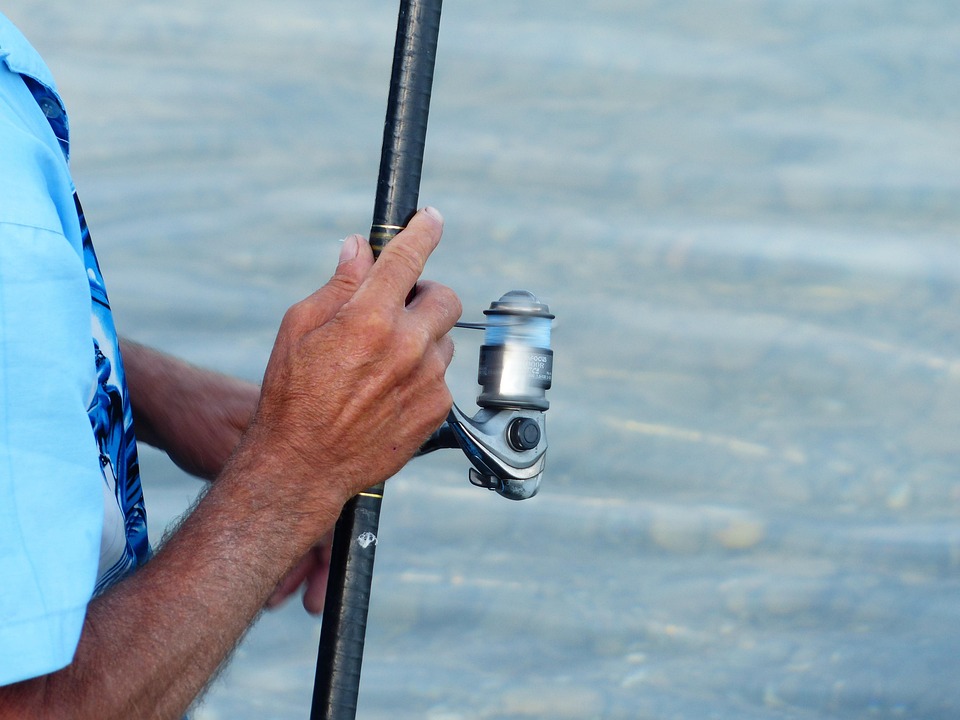
- Spin Fishing: Small spinners and spoons can effectively lure trout in moving waters.
During early spring, rivers and streams are usually high due to snowmelt, making fishing challenging. Focus on calmer water areas, such as eddies and pools, where trout often gather.
Summer: Feeding Frenzy
As temperatures rise in the summer months, particularly in July and August, trout might seem less active during the heat of the day. However, these are prime months for fishing, especially early in the morning or late in the evening when temperatures cool.
Techniques and Gear
- Baits: Use larger, more vibrant lures to mimic the quick movements of small fish.
- Wet Flies: Deeper presentations with nymphs can be effective, as trout often go below the surface in warmer water.
- Top-Water Techniques: Use poppers or foam beetle patterns during the cooler times of the day.
Look for shaded areas under overhanging trees, and cast near the edges of rivers or lakes where trout seek refuge from the heat. Shallow water temperatures might cause trout to dive deeper, so adjust your fishing depth accordingly.
Fall: The Feast Before Winter
As autumn arrives, trout begin to feed aggressively in preparation for the winter months. This seasonal change presents an excellent opportunity for anglers to catch larger trout. The cooler temperatures and the fall foliage can make for a picturesque fishing experience as well.
Techniques and Gear
- Baits: Focus on smaller baitfish and insects that trout tend to forage on.
- Flies: Streamers and larger nymphs are prime choices during this time.
- Spinners and Jigs: Experiment with larger sizes to simulate the baitfish that trout are after.
Trout often move to shallower waters during fall, making it easier to catch them on various lures. Pay attention to water temperatures, as trout will be actively feeding in preparation for the colder months.
Winter: Cold and Calm
Fishing during winter can be both challenging and rewarding. While many anglers hang up their rods when the temperature drops, trout continue to be catchable. Understanding their behavior during cold weather is key.
Techniques and Gear
- Ice Fishing: Consider using tip-ups with live or dead bait, particularly for larger trout.
- Fly Fishing: Use smaller, mid-range flies, and focus on deep pools or slower currents.
- Small Spoons and Jigs: These can be effective for fishing from a kayak or small boat in open water.
In cold weather, trout tend to be less active and spend more time in deeper waters, making them harder to catch. Use stealthy approaches to avoid spooking them and focus on areas with food sources or current breaks.
Environmental Considerations
As responsible anglers, it’s essential to consider the environmental impact of our fishing practices. Here are some tips to help diminish your footprint:
- Adhere to local fishing regulations, including catch-and-release policies.
- Avoid fishing during spawning season to allow fish to reproduce successfully.
- Keep the fishing areas clean by disposing of any trash or gear responsibly.
Conclusion
Fishing for trout year-round requires an understanding of seasonal behavior, adaptive techniques, and responsible angling. By recognizing the patterns of trout through the seasons, anglers can significantly enhance their chances of making a catch no matter the time of year. Whether it is the thrill of a spring catch, the peacefulness of a summer evening, the stunning colors of fall, or the serenity of winter, trout fishing offers unique experiences that will create lasting memories. As always, respect for nature and adherence to sustainable practices will ensure future generations can enjoy the compelling sport of trout fishing.
FAQs
1. What is the best time of day to fish for trout?
Early morning and late evening are usually the best times, as trout feed more actively during these hours. However, this may vary depending on the season and weather conditions.
2. How do water temperatures affect trout behavior?
Water temperature significantly affects trout metabolism and feeding behavior. Generally, trout are more active and feed more aggressively in cooler waters, typically between 50°F and 65°F (10°C – 18°C).
3. What are the best baits for trout fishing?
Common baits include worms, minnows, and various flies. Each season has its best baits; for example, smaller insects in spring and minnows in fall are often successful.
4. Can you catch trout during winter months?
Yes! Trout can be caught in winter, although techniques may vary. Ice fishing or using specialized tactics for open water can both yield good results.
5. Is catch and release necessary when trout fishing?
While not always required, catch-and-release practices help maintain trout populations and ensure sustainable fishing. It’s encouraged, especially during spawning seasons.
- bass fishing
- Bluegill Fishing
- carp fishing
- catfish fishing
- Crappie Fishing
- freshwater angling
- freshwater bait fishing
- freshwater fishing
- freshwater fishing gear
- freshwater fishing guides
- freshwater fishing species
- freshwater fishing techniques
- freshwater fishing tips
- freshwater fly fishing
- freshwater spinning fishing
- inland fishing
- lake fishing
- lakes fishing
- largemouth bass fishing
- muskie fishing
- panfish fishing
- Perch Fishing
- pike fishing
- pond fishing
- reservoir fishing
- reservoirs fishing
- river fishing
- rivers fishing
- Salmon Fishing
- smallmouth bass fishing
- stream fishing
- Tilapia Fishing
- Trout Fishing
- Walleye Fishing













Leave a comment