
















Pike fishing is more than just a pastime; it’s a passionate pursuit that combines skill, strategy, and a bit of luck. Known scientifically as Esox lucius, pike are renowned for their ferocious appetite, sharp teeth, and fighting spirit once hooked. Anglers must consider both the seasonal behavior of pike and the best locations to catch them. This feature delves into the subtleties of pike fishing, revealing the best times and places to enjoy this thrilling sport.
Understanding Pike Behavior by Season
To optimize your fishing experience, it’s crucial to understand how pike behave in different seasons. Their feeding patterns, habitat preferences, and spawning habits all vary with temperature and water conditions.
Spring: The Awakening
As winter recedes and water temperatures rise, pike become increasingly active and aggressive. Spring is arguably the best time to fish for pike, particularly from mid-April to late May, when they are spawning.
- Water Temperature: Ideal range is between 50°F and 65°F (10°C to 18°C).
- Locations: Shallow bays, river mouths, and weedy areas.
- Techniques: Use jerkbaits, spinnerbaits, and live bait like minnows or bass.
The pike will be found in shallower waters, looking for spawning grounds. This aggressive feeding behavior makes spring an exciting time for anglers.
Summer: The Heat Is On
As temperatures rise in summer, pike move to deeper, cooler waters. However, they can still be targeted with finesse.
- Water Temperature: Best fishing occurs between 65°F and 75°F (18°C to 24°C).
- Locations: Deep structures, drop-offs, and submerged timber.
- Techniques: Try large spoons, deep-diving crankbaits, and trolling.
During this season, anglers need to adjust their strategies, using lures that can reach deeper water where the fish are lurking.
Fall: The Feeding Frenzy
As temperatures start to cool in fall, pike enter a feeding frenzy to prepare for winter. This season is characterized by increased activity and aggression.
- Water Temperature: Effective fishing occurs between 55°F and 65°F (13°C to 18°C).
- Locations: Shallow flats, overgrown vegetation, and adjacent deeper waters.
- Techniques: Fast-moving lures, swimbaits, and topwater alternatives.
Anglers will find success by mimicking the pike’s natural prey, while also looking for the most productive fishing times during the day.
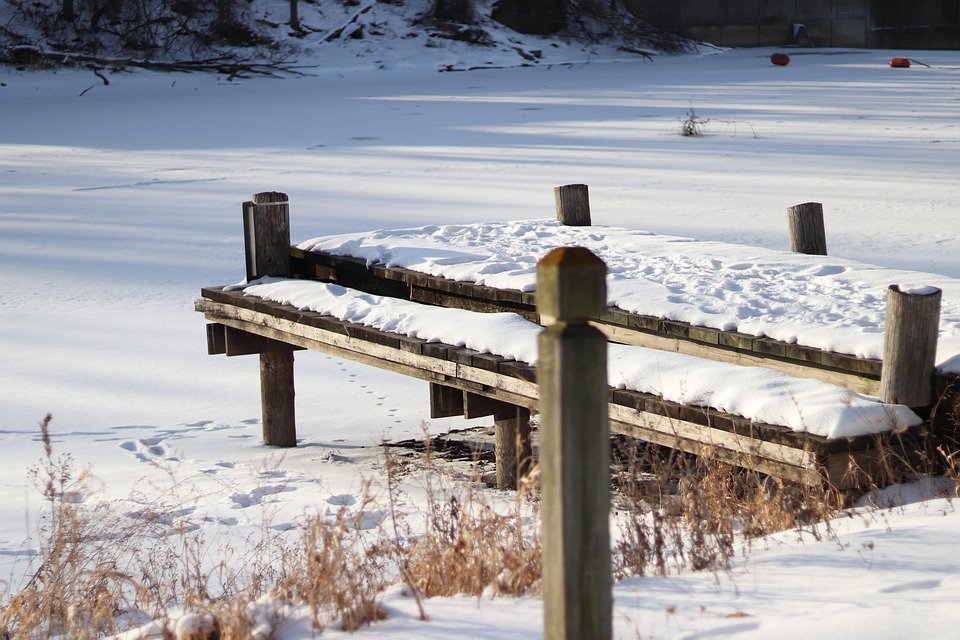
Winter: The Quiet Period
Pike fishing in winter is a different challenge altogether. However, for those willing to brave the elements, it can yield big rewards.
- Water Temperature: Ideal temperatures are below 50°F (10°C).
- Locations: Near cover, such as weed beds or submerged rocks.
- Techniques: Ice fishing with tip-ups and heavy jigs.
In winter, pike slow down, but those who adapt their techniques can still catch sizable specimens through the ice.
Top Locations for Pike Fishing in North America
Knowing when to fish is half the equation; the other half is knowing where to go. The following are some of the top locations in North America renowned for prime pike fishing:
1. Lake of the Woods, Minnesota
With over 14,000 islands and 65,000 miles of shoreline, Lake of the Woods is a pike angler’s paradise. Its diverse habitats provide ideal breeding grounds and abundant forage.
2. Chain O’ Lakes, Illinois
This interconnected system of lakes boasts a rich ecosystem yielding a healthy pike population. The warm waters attract anglers during the spring and fall seasons when they come alive.
3. Northern Quebec, Canada
The remote lakes of Northern Quebec are home to some of the biggest pike in North America. Its vast wilderness provides endless opportunities for successful fishing trips.
4. Green River Lakes, Wyoming
Known for its stunning scenery and abundant wildlife, Green River Lakes is a hidden gem. The pike fishing here is consistent, especially in early spring and late fall.
5. Georgian Bay, Ontario
This stunning area offers countless islands, bays, and inlets, creating multiple habitats that are rich in fish. The spring thaw draws fishermen ready to capitalize on the pike’s spawning run.
Best Practices for Successful Pike Fishing
To ensure a successful day on the water, anglers should consider the following best practices:
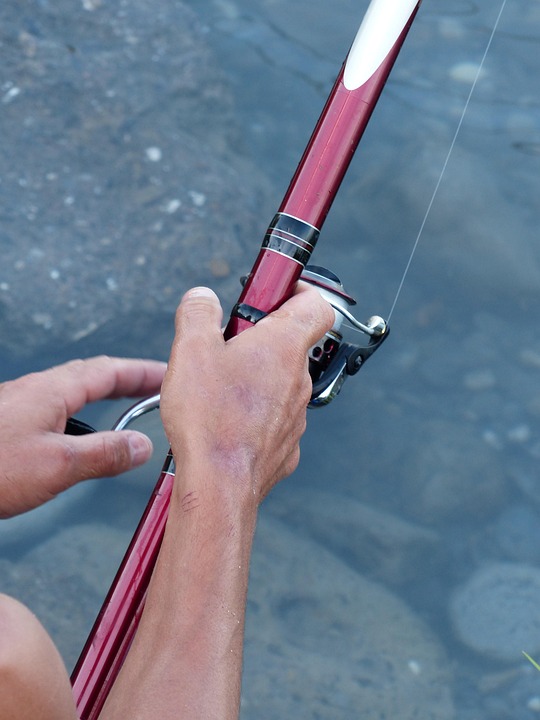
- Use High-Quality Gear: Invest in sturdy fishing rods, reels, and lines built to handle pike’s aggressive bursts.
- Respect Local Regulations: Always check local fishing regulations and follow size and bag limits.
- Practice Catch and Release: To preserve the pike population, consider practicing catch and release, particularly with larger specimens.
- Stay Safe: Always prioritize safety when fishing alone or in remote locations.
Conclusion
Pike fishing is a rewarding and exhilarating experience that provides excitement and challenges for anglers at all skill levels. By understanding the seasonal behaviors of pike and familiarizing oneself with the best fishing locations, anyone can enhance their chances of landing this formidable predator. From the energetic feeding frenzy of spring to the tranquil solitude of winter, the world of pike fishing is rich with opportunities for adventure. So gather your gear, pick the right time, and head to the best spots—because the thrill of the catch awaits!
FAQs
What is the best bait for pike fishing?
The best baits for pike fishing include live minnows, large spinnerbaits, and jerkbaits that mimic the movements of their natural prey.
What is the size limit for pike fishing in most states?
Size limits for pike fishing vary by location, but a common minimum size limit is around 26 inches (66 cm). Always check local regulations before fishing.
Can you fish for pike year-round?
Yes, you can fish for pike year-round, but techniques may vary. Ice fishing is popular in winter, while open-water seasons are best for active pike fishing.
What’s the best time of day to fish for pike?
The best times to fish for pike are generally early morning and late afternoon when they are most active and likely to feed.
Are pike good to eat?
Pike can be delicious, though they have a reputation for being bony. With proper filleting techniques, many anglers enjoy them fried, baked, or smoked.
- bass fishing
- Bluegill Fishing
- carp fishing
- catfish fishing
- Crappie Fishing
- freshwater angling
- freshwater bait fishing
- freshwater fishing
- freshwater fishing gear
- freshwater fishing guides
- freshwater fishing species
- freshwater fishing techniques
- freshwater fishing tips
- freshwater fly fishing
- freshwater spinning fishing
- inland fishing
- lake fishing
- lakes fishing
- largemouth bass fishing
- muskie fishing
- panfish fishing
- Perch Fishing
- pike fishing
- pond fishing
- reservoir fishing
- reservoirs fishing
- river fishing
- rivers fishing
- Salmon Fishing
- smallmouth bass fishing
- stream fishing
- Tilapia Fishing
- Trout Fishing
- Walleye Fishing






Leave a comment