
















Salmon is more than just a protein; it is a cultural and culinary cornerstone. Its journey from streams teeming with life to our tables is a tale woven through ecological balance, fishing traditions, sustainability efforts, and gastronomic prowess.
The Life Cycle of Salmon
To appreciate the culinary journey of salmon, one must first understand its life cycle. Salmon are born in freshwater rivers and streams, where they spend the first part of their lives. After several months, they migrate to the ocean to grow and develop. This journey is marked by incredible adaptability; different species of salmon, like the Chinook, Coho, and Sockeye, offer unique flavors influenced by their habitats.
Upon maturity, these fish return to their natal waters to spawn, an extraordinary feat of navigation that has captivated scientists and food lovers alike for generations. This epic journey dramatically links both the environmental health of our rivers and oceans and the culinary experiences that stem from them.
The Fishing Traditions
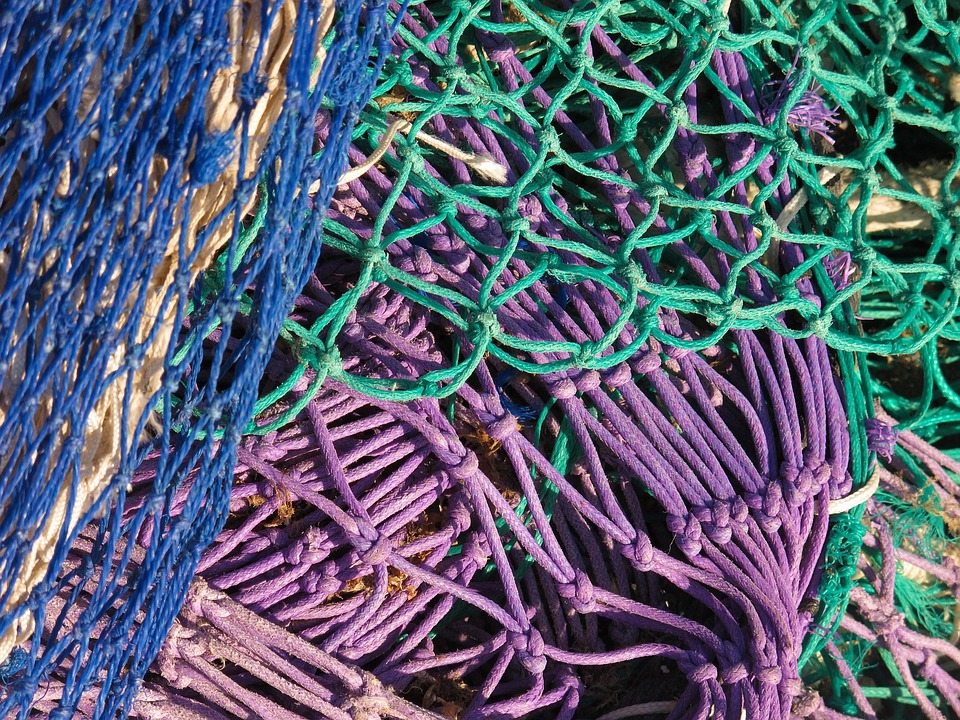
Fishing for salmon is steeped in tradition, especially in regions where the fish has historically been a vital food source. Indigenous methods of catching salmon often include the use of gillnets, fish wheels, and traps. These methods are environmentally sustainable, aiming to ensure that the salmon population remains robust.
In contrast, commercial salmon fishing employs various advanced techniques, including purse seining and longlining. The focus on sustainability has prompted many fishers to adopt environmentally responsible practices, demanding that they balance livelihood with ecological stewardship.
Culinary Variations Across Cultures
The culinary utilization of salmon varies significantly across cultures. Each region comes with its own unique preparation methods and flavor profiles, offering a rich tapestry of culinary diversity. Here are a few notable salmon dishes from around the world:
- Smoked Salmon (Norway): A quintessential Nordic delicacy, smoked salmon has a rich, silky taste typically enjoyed as part of a breakfast spread or in sushi.
- Sushi and Sashimi (Japan): In Japan, fresh salmon is often presented as sashimi or within sushi rolls, showcasing the fish’s delicate flavor and texture.
- Salmon and Dill (Scandinavia): A classic pairing, the earthy flavor of dill complements the richness of the salmon, often served in various gravlax preparations.
- Teriyaki Salmon (Japan): The sweet and savory teriyaki glaze enhances the richness of fresh salmon, providing a delightful contrast in flavor.
- BBQ Salmon (Pacific Northwest, USA): Grilling salmon is ubiquitous among outdoor enthusiasts; marinating in a mix of local herbs and spices lends a unique, smoky flavor indicative of the region.
Health Benefits of Salmon
The immense health benefits of salmon add to its appeal. Rich in omega-3 fatty acids, proteins, vitamins, and minerals, salmon supports heart health, brain function, and could potentially decrease the risk of chronic diseases. The fish is also low in saturated fats compared to other animal proteins, making it a heart-healthy choice for many diets.
Sustainable Fishing Practices
The rise in demand for salmon has prompted calls for sustainable fishing practices. Consumers today are increasingly aware of the environmental impact of their food choices. Salmon is sourced through either wild-capture fisheries or aquaculture. Understanding these sourcing methods is vital for making informed choices.
Wild-caught salmon maintains its ecological balance, but overfishing poses a significant risk. Sustainable practices, such as maintaining catch limits and protecting spawning habitats, are critical for the fish’s long-term viability. Conversely, farmed salmon, if managed responsibly, can alleviate pressure on wild populations but may come with concerns like habitat pollution and fish feed sourcing.
Cooking Salmon at Home
Cooking salmon at home can be an art form as much as a culinary necessity. The following simple methods make it easy to enjoy this delicious fish fresh off the counter:
- Baking: Season salmon fillets with herbs, spices, and a drizzle of olive oil before baking them at 350°F (175°C) for about 15-20 minutes.
- Grilling: Marinate salmon steaks and grill them on medium heat for about 6-8 minutes per side for a smoky flavor.
- Pansauté: Heat a skillet with olive oil, sear salmon for 4-5 minutes on each side until golden, and finish with a squeeze of lemon.
With salmon, experimentation can yield rewarding results. The challenge lies in balancing flavors and ensuring the fish remains tender and moist.
Pairing Salmon with Wines and Sides
When it comes to pairing salmon with wines or side dishes, the choices can vary based on preparation methods:
- Wines: A crisp Pinot Grigio or a rich Chardonnay complements the fattiness of salmon. For a more daring choice, a Rosé enhances the dish’s flavors beautifully.
- Sides: Seasonal vegetables, quinoa salads, or creamy avocado mash serve as excellent companions to a salmon dish. The idea is to create a balanced palate that does not overwhelm the flavors of the fish.
Culinary Salmon Experiences: Restaurants and Demos
For those who are less inclined to cook themselves, numerous restaurants around the world celebrate salmon in unique ways. Dining experiences that focus on local fishing traditions and sourcing sustainable fish provide an intimate look into the fish’s culinary journey.
Moreover, cooking demonstrations and workshops around salmon prepare enthusiasts for their culinary pursuits, providing hands-on experience in crafting new dishes while learning about sustainability in fishing practices.
The Future of Salmon Fishing and Consumption
The future of salmon fishing and consumption will involve navigating complex issues such as climate change, overfishing, and growing consumer demands. As cultures become more globally interconnected, culinary traditions around salmon will continue to evolve while still respecting historical practices.
Future trends may include greater emphasis on regenerative aquaculture and eco-friendly fishing practices, ensuring that generations to come can enjoy these magnificent fish without compromising their ecosystems.
Conclusion
The journey of salmon from stream to table is not just about the product itself; it is a celebration of life, culture, and sustainability. Understanding the multilayered aspects of salmon—including its ecological importance, cultural significance, and health benefits—can enhance our appreciation for this iconic fish. By making mindful choices in fish sourcing and cooking methods, individuals play a vital role in preserving salmon for future generations while enjoying a culinary delicacy that has stood the test of time.
FAQs
A: Fresh salmon should be stored in the coldest part of your refrigerator and consumed within 1-2 days. For longer storage, consider freezing it in airtight packaging.
A: Both wild-caught and farmed salmon have health benefits, but wild-caught salmon is typically higher in omega-3 fatty acids and lower in toxins and pollutants than some farmed options.
A: Yes, salmon is safe to eat during pregnancy, but it is recommended to limit consumption to 2-3 servings per week and choose well-cooked options to reduce any risks.
A: Salmon farming can have several environmental impacts, such as pollution and habitat degradation. Engaging with sustainably certified farms can help alleviate these concerns.
A: Salmon is versatile; it pairs well with a wide range of seasonings, including herbs (like dill or parsley), citrus (like lemon and lime), and spices (like paprika or black pepper).
- bass fishing
- Bluegill Fishing
- carp fishing
- catfish fishing
- Crappie Fishing
- freshwater angling
- freshwater bait fishing
- freshwater fishing
- freshwater fishing gear
- freshwater fishing guides
- freshwater fishing species
- freshwater fishing techniques
- freshwater fishing tips
- freshwater fly fishing
- freshwater spinning fishing
- inland fishing
- lake fishing
- lakes fishing
- largemouth bass fishing
- muskie fishing
- panfish fishing
- Perch Fishing
- pike fishing
- pond fishing
- reservoir fishing
- reservoirs fishing
- river fishing
- rivers fishing
- Salmon Fishing
- smallmouth bass fishing
- stream fishing
- Tilapia Fishing
- Trout Fishing
- Walleye Fishing









Leave a comment