














Fishing is a timeless recreational activity that not only allows people to connect with nature but also provides an unparalleled sense of tranquility and satisfaction. For many, it serves as an escape from everyday stresses. However, like any activity, it comes with a learning curve, especially for rookies. Casting is one of the most fundamental aspects of fishing, yet many beginners struggle to master it. This article will explore common casting errors that novice anglers often make and offer practical solutions to enhance your fishing experience.
Understanding the Basics of Casting
Before diving into common mistakes, it’s essential to grasp the fundamentals of casting. The primary goal in casting is to deliver your bait or lure to the target area with precision and accuracy. Let’s break down the key components:
- Equipment: Choosing the right rod, reel, and line type can drastically affect your casting ability.
- Stance: A stable stance is crucial for good balance during casting.
- Technique: Various casting techniques exist, such as overhead, sidearm, and roll casts, each with its benefits.
Rookie Casting Errors
Now that we have a solid foundation, let’s explore some common casting blunders and how to avoid them:
1. Improper Grip
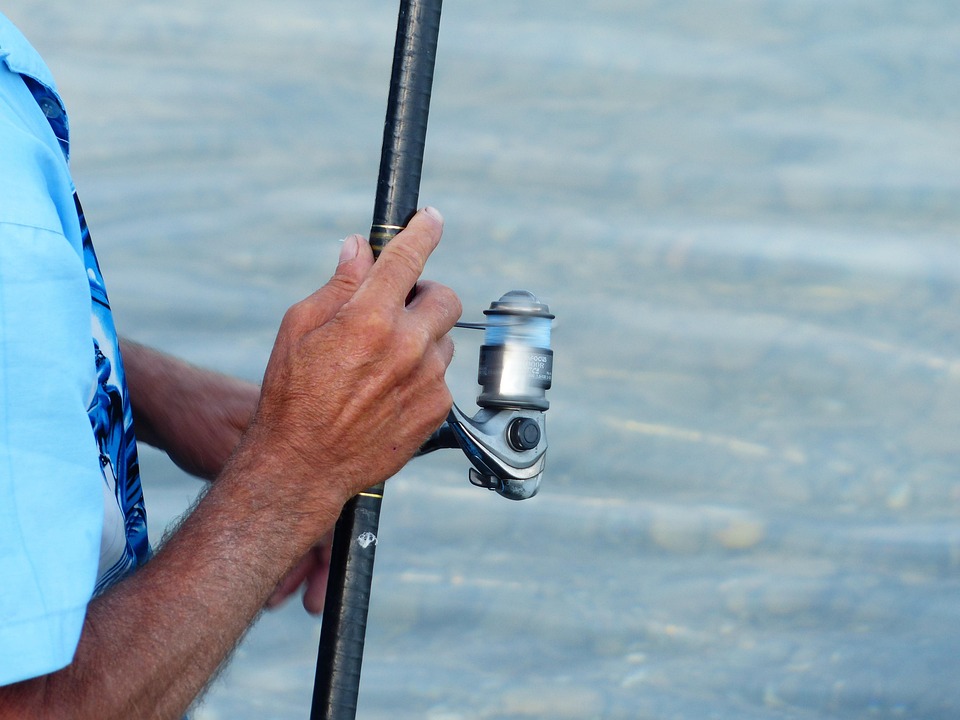
One of the first mistakes rookies make is holding the rod incorrectly. A firm but relaxed grip is essential for control. Holding the rod too tightly can lead to tension and errors in casting distance.
Solution: Practice gripping your rod handle firmly, but ease up your grip pressure as you prepare to cast. Your wrist should remain flexible.
2. Inadequate Stance
Your stance can significantly impact your casting accuracy. Beginners might overlook the importance of a solid base, which can cause unintentional movements in the cast.
Solution: Stand with your feet shoulder-width apart, placing your non-dominant foot slightly forward. This position enhances balance and allows for a fluid casting motion.
3. Overcasting
Many novices think that the greater the effort in casting, the farther the bait will go. Unfortunately, this misconception often leads to overcasting, resulting in tangles and loss of control.
Solution: Focus on smooth, controlled motions rather than brute force. Your casting should feel fluid rather than forced.
4. Neglecting Wind Direction
Wind is a significant factor when it comes to casting. Ignoring its direction can lead to unintended results, such as your lure getting blown off course.
Solution: Always check the wind before casting. Cast into the wind if possible, as this will help provide a more accurate placement.
5. Failing to Adjust Bait Weight
Different baits have different weights, and a common mistake beginners make is trying to use a single weight for every type of bait.
Solution: Familiarize yourself with the weight of your bait and match it to your rod and reel specifications. Lighter baits can be cast using lighter tackle, while heavier weights require more robust gear.
6. Disregarding Line Management
Line tangles are a rookie’s worst enemy. An improperly spooled reel or tangled line can ruin your day on the water.
Solution: Ensure your line is spooled correctly and keep it taut. Regularly inspect your line for knots or damage, especially before casting.
7. Incorrect Timing
Timing is everything in fishing. Beginners often struggle with the timing of the cast itself—either releasing the lure too early or too late.
Solution: Practice your timing through drills. Focus on coordinating your arm movement with your release to achieve seamless casts.
8. Not Practicing Enough
Many novices overlook the value of practice when it comes to casting. Without regular practice, it’s easy to develop bad habits that can be hard to break.
Solution: Set aside time to practice your casting technique. Whether it’s in your backyard or at a local pond, getting comfortable with your cast is vital for success.
Advanced Techniques for Improvement
Now that we have addressed some common rookie errors, let’s take your casting to the next level with some advanced techniques:
1. The Pendulum Cast
This technique is beneficial for casting over longer distances. It involves a smooth pendulum motion that builds momentum before the cast.
How to Do It: Begin by moving the rod back and forth in a pendulum-like motion to generate momentum. As the rod swings forward, release your line at the peak of the swing.
2. The Roll Cast
The roll cast is particularly useful in tight spaces where you cannot make a full overhead cast. This technique allows for a smooth line extension without needing extra space behind you.
How to Do It: Position your rod slightly above your target. Using your wrist, roll the line backward and then flick it forward smoothly to cast.
Conclusion
Fishing is a skill that requires patience, practice, and an understanding of various techniques—especially when it comes to casting. Avoiding these rookie errors will not only enhance your casting ability but also improve your overall fishing experience. Remember the importance of proper grip, stance, timing, and line management; these fundamental concepts will set you on a path toward becoming a more confident and capable angler.
As you spend more time on the water, your skills will naturally refine. Keep practicing, stay patient, and most importantly, enjoy the process. Fishing isn’t just about the catch; it’s about the experience and the connections made along the way.
FAQs
Q: What type of rod should a beginner use?
A: A medium-action spinning rod is often recommended for beginners because it offers versatility and ease of use.
Q: How can I avoid getting my line tangled?
A: Regularly check your line for twists and loops, and ensure you’re spooling your reel correctly. Proper line management is key.
Q: Is there a best time of day to fish?
A: Early morning and late afternoon are generally considered the best times for fishing, as fish tend to be more active during these hours.
Q: Do I need a fishing license?
A: Yes, most regions require a fishing license. Always check local regulations to ensure you’re compliant before heading out.
Q: How do I choose the right bait?
A: Research local fish species and their feeding habits, then select bait that mimics their natural food sources.
- beginner bass fishing
- beginner carp fishing
- beginner catfish fishing
- beginner fishing advice
- beginner fishing baits
- beginner fishing gear
- beginner fishing guides
- beginner fishing guides online
- beginner fishing knots
- beginner fishing lures
- beginner fishing mistakes
- beginner fishing reels
- beginner fishing rods
- beginner fishing strategies
- beginner fishing techniques
- beginner fishing tips
- beginner fishing trips
- beginner fishing tutorials
- beginner fishing videos
- beginner fly fishing
- beginner freshwater fishing
- beginner muskie fishing
- beginner panfish fishing
- beginner pike fishing
- beginner saltwater fishing
- beginner trout fishing
- fishing basics
- fishing for beginners
- how to fish
- new anglers tips













Leave a comment