











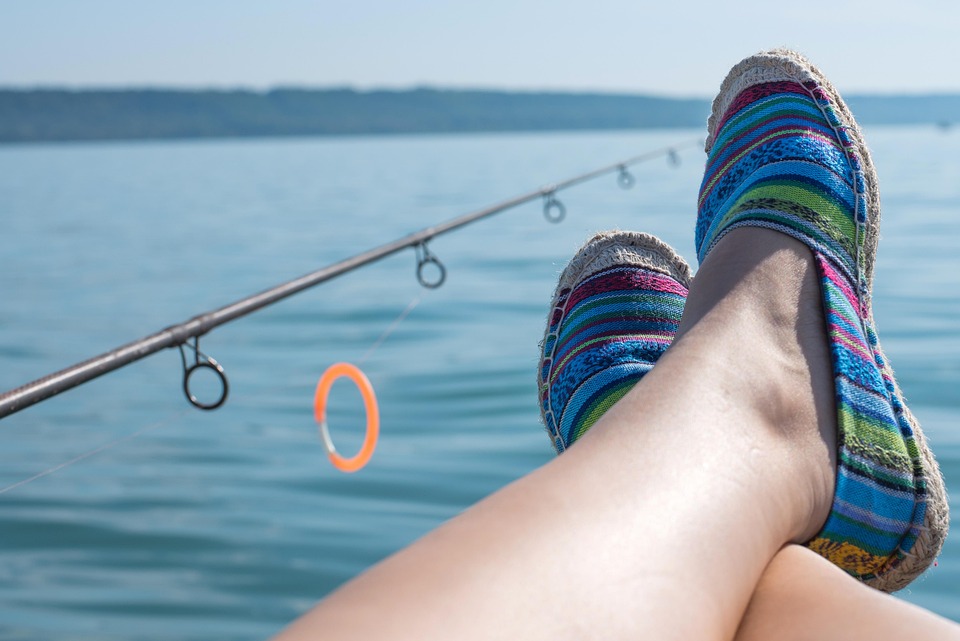


When it comes to fishing, the right gear can make all the difference. One of the most crucial pieces of equipment is the fishing rod. Selecting the perfect rod requires understanding various features—from the materials used to the types of fishing techniques. This guide will walk you through everything you need to know to make an informed choice that suits your fishing style.
Understanding Fishing Rod Basics
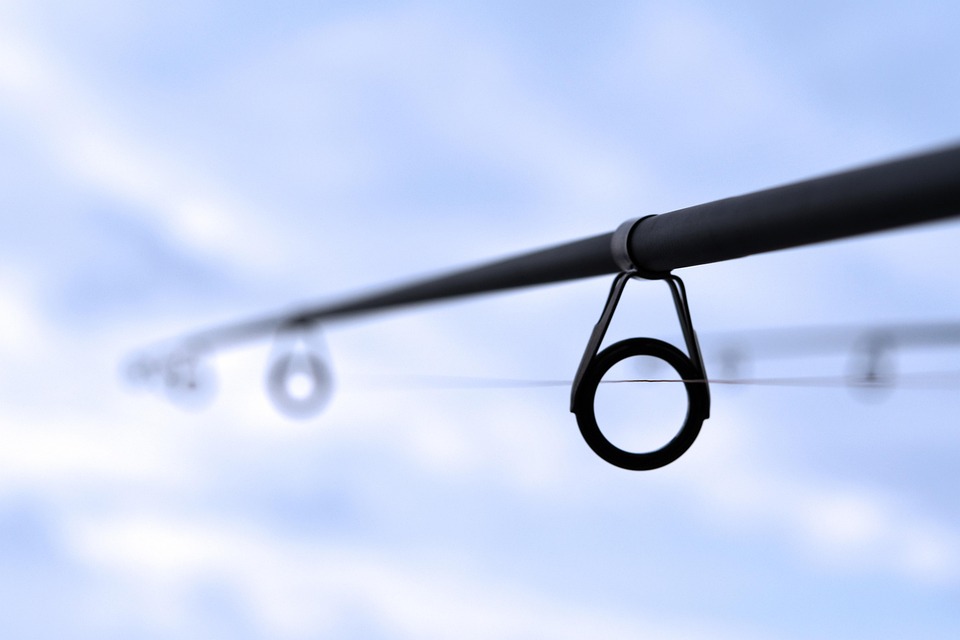
A fishing rod is essentially a long, flexible rod used to catch fish. Fishing rods come in various lengths, materials, and actions, each tailored to different fishing techniques. We’ll explore these characteristics to help you find the rod that’s perfect for your needs.
Types of Fishing Rods
Fishing rods can be broadly classified into several categories based on design and purpose:
- Spinning Rods: These are versatile and ideal for beginners. They feature a fixed reel seat, allowing for easy casting.
- Baitcasting Rods: Designed for precision and control, they are suitable for experienced anglers targeting larger fish.
- Fly Rods: Engineered for fly fishing, these rods are longer and more flexible, allowing for delicate presentations of artificial flies.
- Surf Rods: Built for casting long distances from shore, these rods are longer and more powerful, capable of handling larger fish.
- Ice Fishing Rods: Shorter and more sensitive, these rods are tailored for ice fishing, allowing anglers to detect bites in cold conditions.
Choosing the Right Length
The length of your fishing rod significantly impacts your casting distance and accuracy. Here’s a breakdown to help you choose:
- Short Rods (6 feet or less): Offer better accuracy and are ideal for close-quarters fishing in small streams and heavy cover.
- Medium Rods (6-7 feet): These are the most versatile and suitable for general fishing applications.
- Long Rods (7 feet or more): Provide greater casting distance, useful for larger bodies of water, but may sacrifice accuracy for distance.
Consider the fishing scenarios you’ll encounter, as rod length can greatly affect how well you perform.
Material Matters
The material of the rod is vital for performance and durability. The most common materials are:
- Fiberglass: Known for its durability and flexibility, fiberglass rods are less sensitive, making them great for novice anglers.
- Graphite: These rods are lighter and more sensitive, providing better feedback. They are ideal for experienced anglers looking for precision and performance.
- Composite: Combining fiberglass and graphite, composite rods offer a balance of sensitivity and durability.
Understanding Action
The action of a rod refers to how much it bends when pressure is applied. It affects both the casting and fishing techniques you can use:
- Fast Action: Bends near the tip of the rod, providing quick hook sets and great sensitivity. Ideal for techniques requiring precision, such as jig fishing.
- Moderate Action: Bends in the middle, offering a balance between sensitivity and hook-setting power. This is a good all-around choice.
- Slow Action: Bends throughout the rod, providing a softer feel and allowing for better bait presentation but sacrificing sensitivity.
Power Ratings: Determining Strength
Power ratings indicate the rod’s strength and its ability to handle different line weights and lure sizes:
- Light Power: For small fish and light lines. Perfect for panfish and trout in small waters.
- Medium Power: Great for bass fishing, capable of handling a variety of lures and fish sizes.
- Heavy Power: Designed for larger fish and heavy lures, suitable for saltwater and big game fishing.
Handle Types and Grip Styles
The comfort of your grip can influence your overall fishing experience. Different handle types include:
- Cork Grips: Lightweight and comfortable, providing a traditional look and feel.
- Foam Grips: Often found on affordable rods, these grips are durable and offer good traction, especially in wet conditions.
- Trigger Grips: Particularly common in baitcasting rods, they allow for better control during casting.
Price and Budget Considerations
Your budget is an important factor when selecting a fishing rod. Prices can range from under $20 to several hundred dollars, depending on the brand, materials, and technology.
While it might be tempting to opt for the cheapest option, investing in a quality rod will enhance your experience and performance. Look for reputable brands and models that offer good warranties and customer support.
Additional Tips for Choosing a Fishing Rod
To ensure you make the best choice, consider the following:
- Test the rod for balance and weight; it should feel comfortable in your hands.
- Consider the type of fishing you’ll do the most. Match the rod to specific conditions and species.
- Research reviews and ask fellow anglers for recommendations.
- Visit a local tackle shop for hands-on experience and expert advice.
Conclusion
Choosing the ideal fishing rod may seem daunting at first, but understanding the basics can simplify the process. By considering the type of fishing, length, material, action, power rating, and other factors like grip style and budget, you’ll be well on your way to selecting the perfect rod. Remember, the best rod for you aligns with your personal comfort, fishing style, and the species you aim to catch. Happy fishing!
FAQs
1. What is the best fishing rod for beginners?
Spinning rods are often recommended for beginners due to their versatility and ease of use.
2. How long should a fishing rod be for freshwater fishing?
A medium-length rod between 6 and 7 feet is generally ideal for most freshwater fishing situations.
3. What is the difference between spinning and baitcasting rods?
Spinning rods are easier to cast and control, making them great for beginners, while baitcasting rods provide more accuracy and are better for heavy lures and bigger fish.
4. How do I know what power rating to choose?
Choose a power rating based on the fish species you are targeting. Light for small fish, medium for bass, and heavy for larger species.
5. Can I use a saltwater rod for freshwater fishing?
Yes, saltwater rods are generally robust and can be used in freshwater environments, though they may be heavier than necessary for small species.
- fishing accessories
- fishing baits
- fishing crankbaits
- fishing electronics
- fishing fish finders
- fishing gear
- fishing gear guides
- fishing gear maintenance
- fishing gear reviews
- fishing GPS
- fishing hooks
- fishing jigs
- fishing knots
- fishing line types
- fishing lines
- fishing lures
- fishing reel types
- fishing reels
- fishing reels for beginners
- fishing rigs
- fishing rod guides
- fishing rods
- fishing rods for beginners
- fishing soft plastics
- fishing sonar
- fishing spinners
- fishing tackle
- fishing tackle boxes
- fishing tackle setup
- fishing tackle tips












Leave a comment