





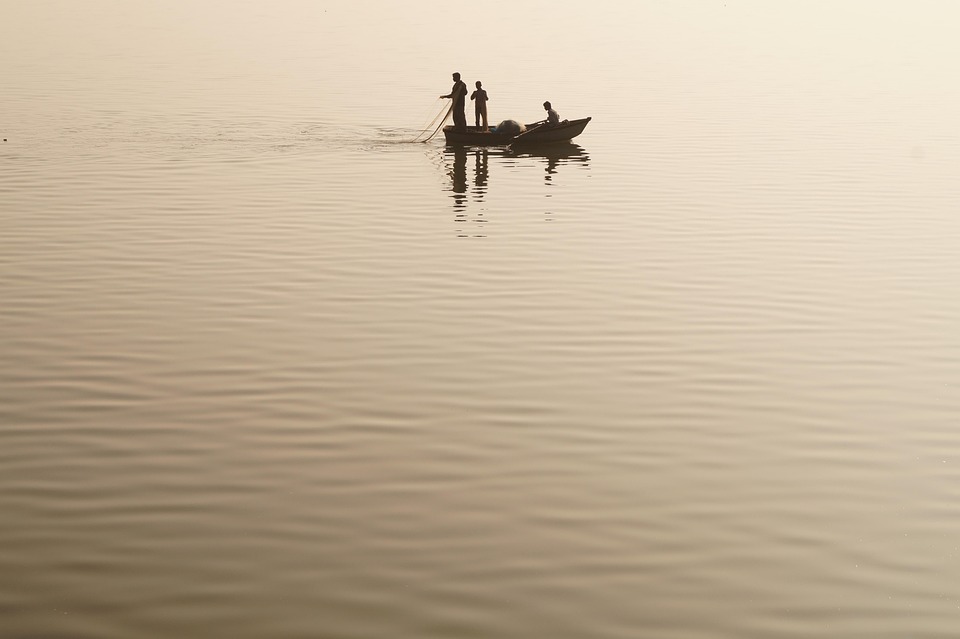



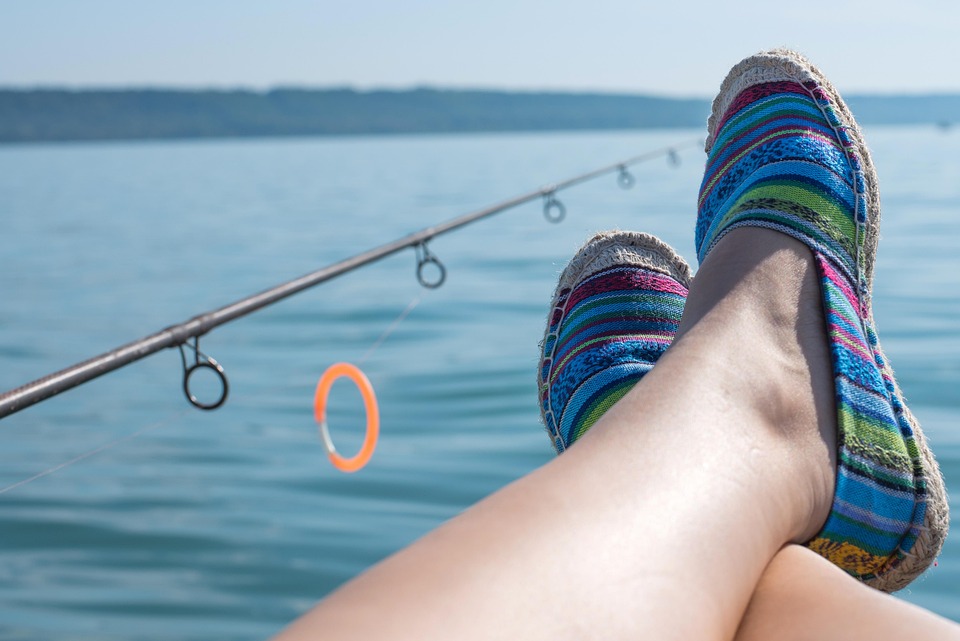


Imagine standing by a quiet river, the gentle sound of water flowing by as you breathe in the fresh air. In your hands, you hold a lightweight fly rod, the sun setting on the horizon. This idyllic scene captures the enchanting world of fly fishing—a unique sport that marries patience, skill, and an appreciation for nature. For beginners eager to dive into this rewarding pastime, this guide will shed light on the essentials of fly fishing.
Understanding Fly Fishing
Unlike traditional fishing methods that use bait and weights, fly fishing employs specifically designed lures called “flies.” These flies are often made to mimic the insects that fish frequently feed on, offering a more enticing option. The technique revolves around precision casting, which allows anglers to place these flies delicately on the water’s surface or just below it.
The Gear: Essential Equipment for Beginners
Before stepping into the water, it’s crucial to get the right gear. Here’s a brief overview of what you’ll need:
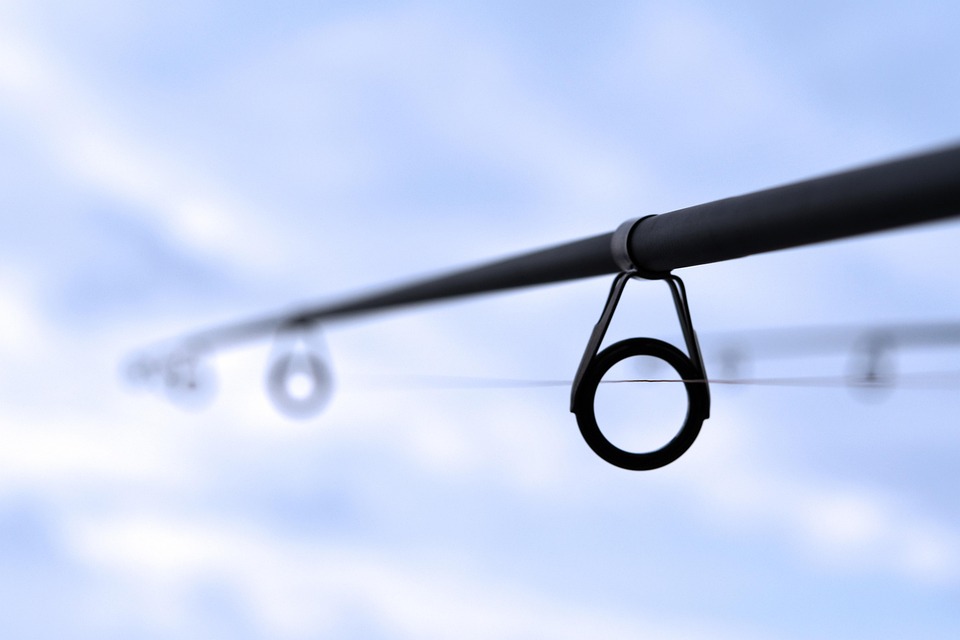
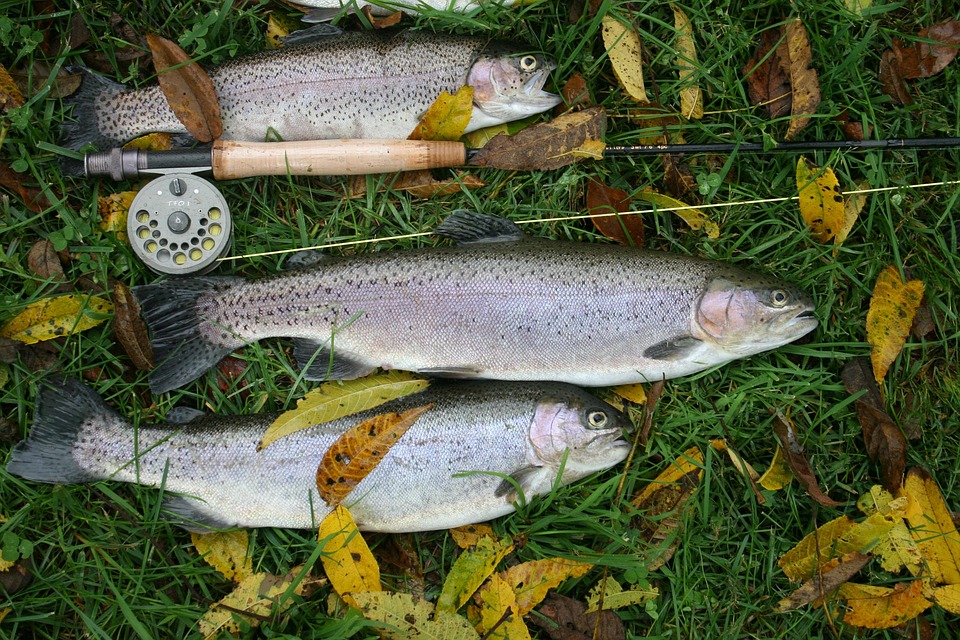
- Fly Rod: A lightweight rod designed to cast flies. Beginners should start with a 9-foot rod, typically rated for 5 or 6 weight lines.
- Fly Reel: A reel that helps in retrieving the line quickly and managing tension during a fish fight.
- Fly Line: This specialized line is thicker and heavier than regular fishing line, allowing you to cast effectively.
- Leader and Tippet: A leader connects your fly line to the fly itself, while the tippet is a thin line tied to the end of the leader, providing invisibility.
- Flies: Choose a variety of dry flies, wet flies, and nymphs suited for the waters you plan to fish.
- Waders: Depending on your fishing spot, a pair of insulated waders can keep you comfortable while standing in cold water.
- Miscellaneous Gear: Don’t forget essentials like hooks, pliers, floatant for dry flies, and a fishing net.
The Casting Technique
One of the most challenging yet satisfying aspects of fly fishing is the casting technique. A well-executed cast can make all the difference. Here’s a step-by-step guide on the basic overhead cast:
Step 1: Prepare to Cast
Start with your rod aligned so that the line is straight behind you. Stand with your feet shoulder width apart, and your knees slightly bent.
Step 2: The Back Cast
Swiftly lift the rod to about a 10 o’clock position, letting the line and fly follow. This motion loads the rod, storing energy for the forward cast.
Step 3: The Forward Cast
With a flick of your wrist, move the rod forward to a 2 o’clock position, allowing the fly to gently land on the water’s surface.
Step 4: Follow Through
Finish your motion with a smooth follow-through to help guide the cast.
Practice this technique on land before heading to the water. The better your casting, the more success you’ll have at attracting fish.
Choosing the Right Location
The world of fly fishing is vast and varied, with different environments offering unique opportunities. Beginners should consider starting in local streams, ponds, or lakes—ideally in areas where fish are plentiful. Here are some locations to explore:
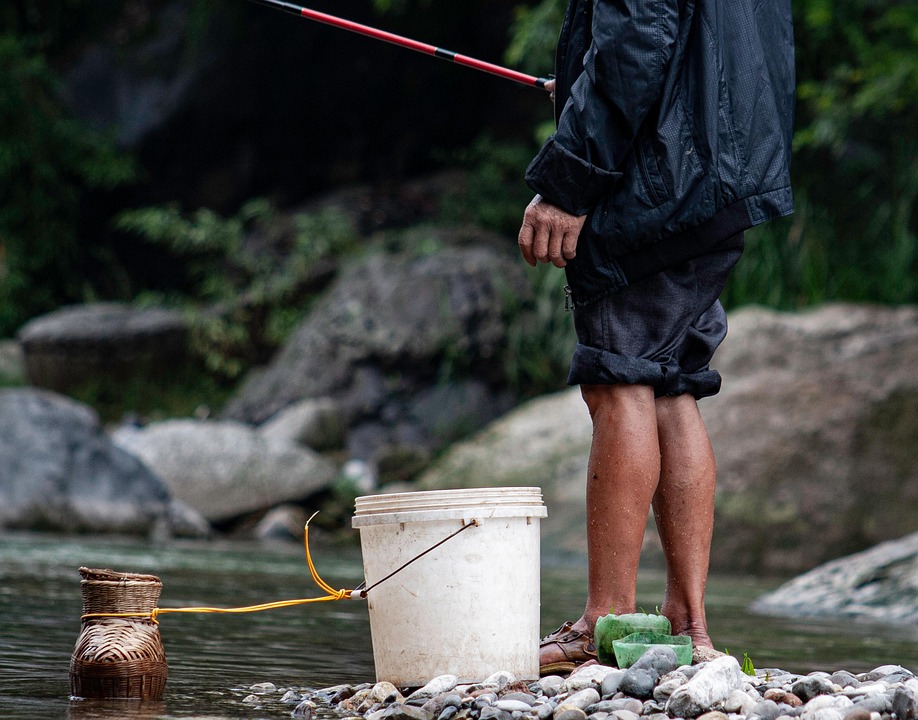
- Rivers: Flowing rivers often host trout and bass. Research local river guides to understand fishing regulations.
- Ponds: Smaller bodies of water can be ideal for beginners; they allow for practice without the complexities of currents.
- Coastal Areas: Coastal fly fishing requires knowledge of tides and species, making it more challenging but rewarding.
Understanding Fish Behavior
To catch fish, you must first understand them. Various factors affect fish behavior, including weather, time of year, and insect hatches. Here are some tips:
- Time of Day: Early mornings and late afternoons often yield better results, as fish are more active in cooler temperatures.
- Weather Patterns: Overcast days can improve conditions, as fish feel safer to roam and feed on the surface.
- Insect Life: Matching the hatch—using flies that mimic current insects—is key to enticing fish.
Conservation and Ethics
Fly fishing isn’t just about catching fish; it’s about preserving nature. As anglers, it is our responsibility to practice catch and release where possible and to respect the environment:
- Use Barbless Hooks: They make releasing fish easier and reduce injury.
- Leave No Trace: Always clean up after yourself, ensuring nature remains pristine.
- Respect Local Regulations: Follow rules regarding licensing, catch limits, and designated fishing areas.
Conclusion
Fly fishing is more than just a recreational activity; it’s a lifetime pursuit filled with learning, patience, and appreciation for the great outdoors. For beginners, the journey might seem intimidating at first, but with the right gear, techniques, and a little practice, one can find immense joy in casting dreams on tranquil waters. So grab your rod, embrace the open air, and let the adventure unfold!
Frequently Asked Questions
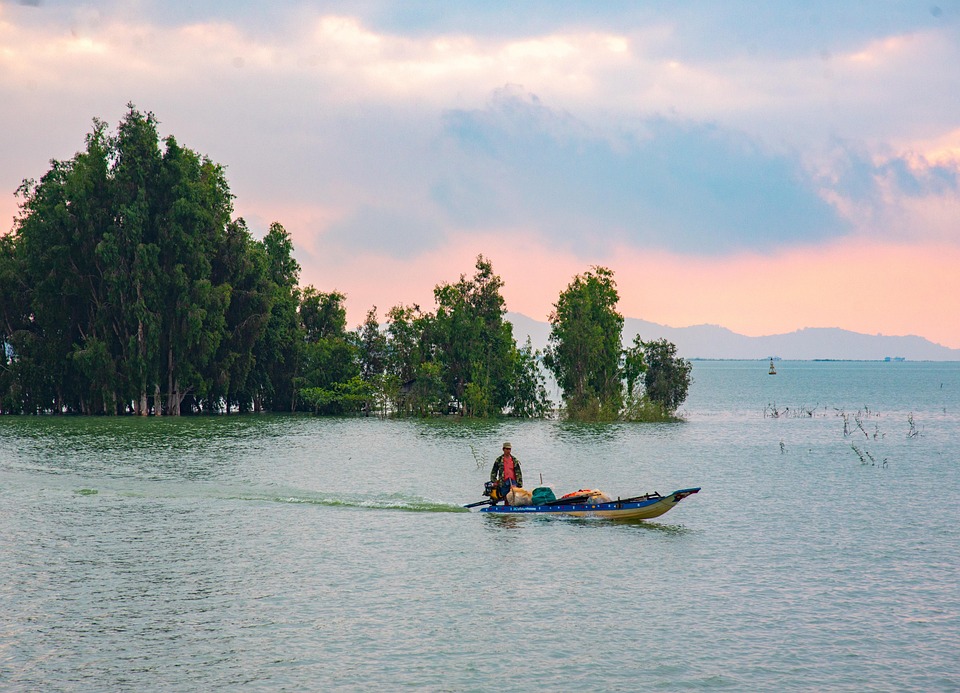
1. Can I fly fish from a boat?
Yes! Fly fishing from a boat is popular, especially in lakes and rivers. Just ensure you have the right gear and follow all safety regulations.
2. Do I need to purchase expensive gear to start fly fishing?
While quality gear is essential, you don’t have to break the bank. Many brands offer beginner kits at reasonable prices, giving you all the basics without a hefty investment.
3. How do I know what flies to use?
Research what insects are prevalent in your fishing area. Local fly shops and online forums can provide excellent recommendations based on current conditions.
4. Is fly fishing suitable for children?
Absolutely! Fly fishing can be a fun, family-friendly activity. Just ensure children are equipped with appropriately sized gear, and supervise them at all times.
5. How can I improve my casting technique?
Practice makes perfect! Consider joining a local fly fishing club, taking a lesson from a professional, or watching instructional videos online.
- beginner bass fishing
- beginner carp fishing
- beginner catfish fishing
- beginner fishing advice
- beginner fishing baits
- beginner fishing gear
- beginner fishing guides
- beginner fishing guides online
- beginner fishing knots
- beginner fishing lures
- beginner fishing mistakes
- beginner fishing reels
- beginner fishing rods
- beginner fishing strategies
- beginner fishing techniques
- beginner fishing tips
- beginner fishing trips
- beginner fishing tutorials
- beginner fishing videos
- beginner fly fishing
- beginner freshwater fishing
- beginner muskie fishing
- beginner panfish fishing
- beginner pike fishing
- beginner saltwater fishing
- beginner trout fishing
- fishing basics
- fishing for beginners
- how to fish
- new anglers tips









Leave a comment