









Carp feeder fishing is an angling style that has steadily gained popularity over the years, both among amateurs and seasoned anglers. Known for its methodical approach and the thrill it brings, mastering this technique requires not just skills, but also a deep understanding of fish behaviors, bait selections, and fishing environments. In this article, we will delve deep into the art of carp feeder fishing, offering insights and tips from professionals in the field.
The Basics of Carp Feeder Fishing
At its core, carp feeder fishing combines the use of a specialized feeder rig with various baits. The primary goal is to attract fish to a specific area while maximizing the chance of catching them. Understanding the key components of feeder fishing is essential.
Choosing the Right Equipment
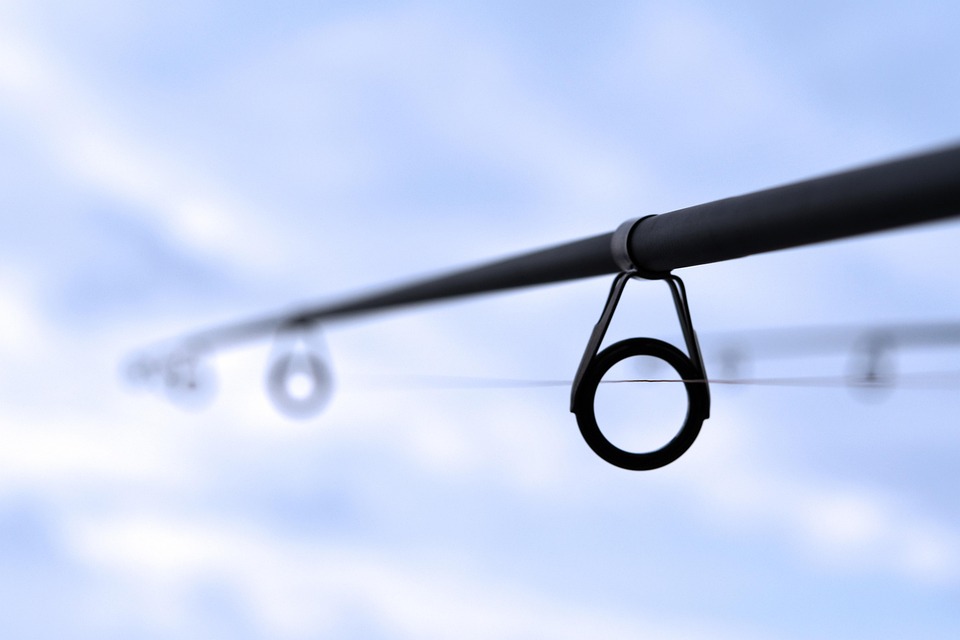
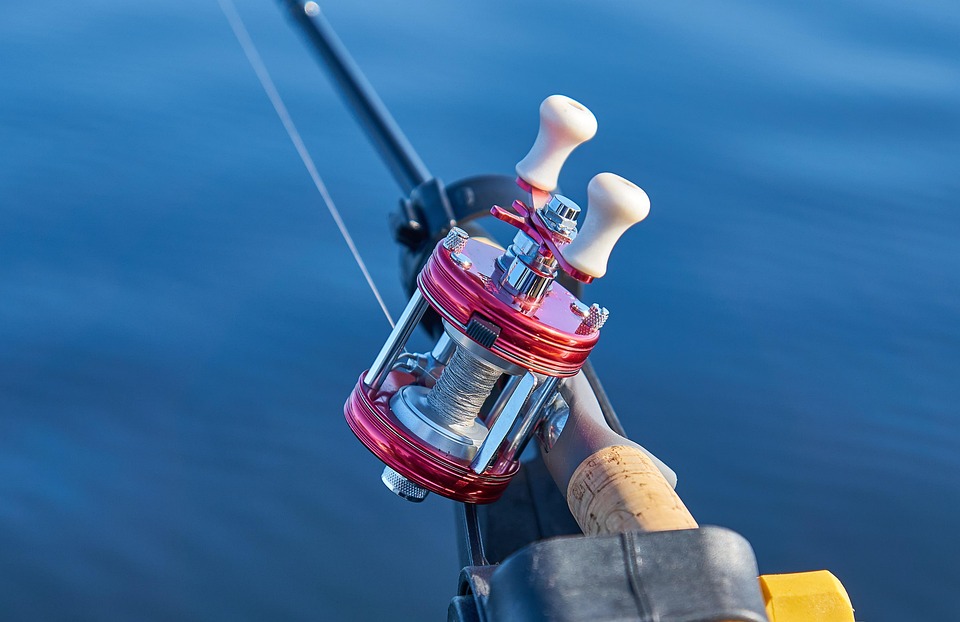
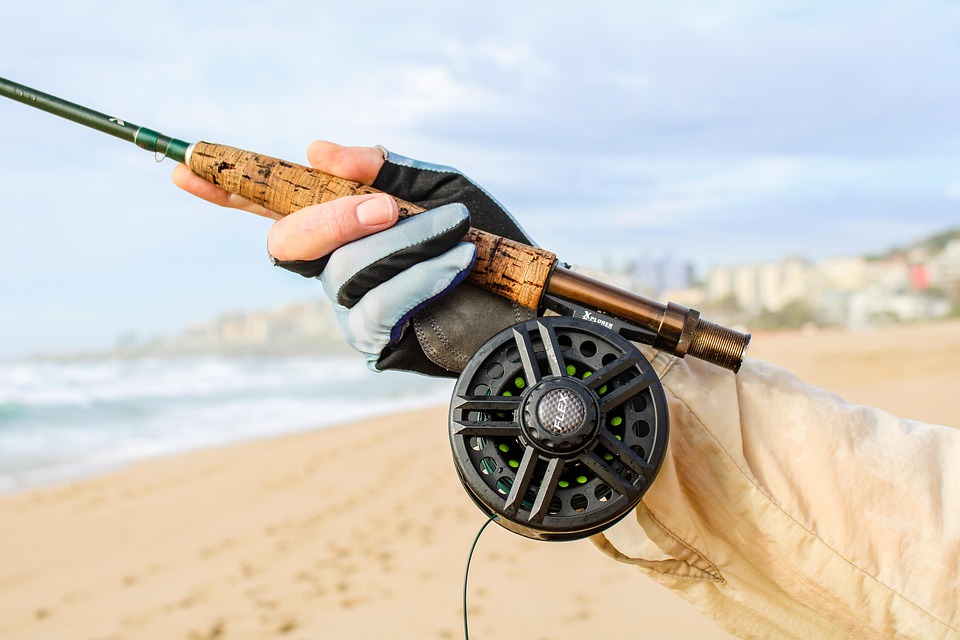
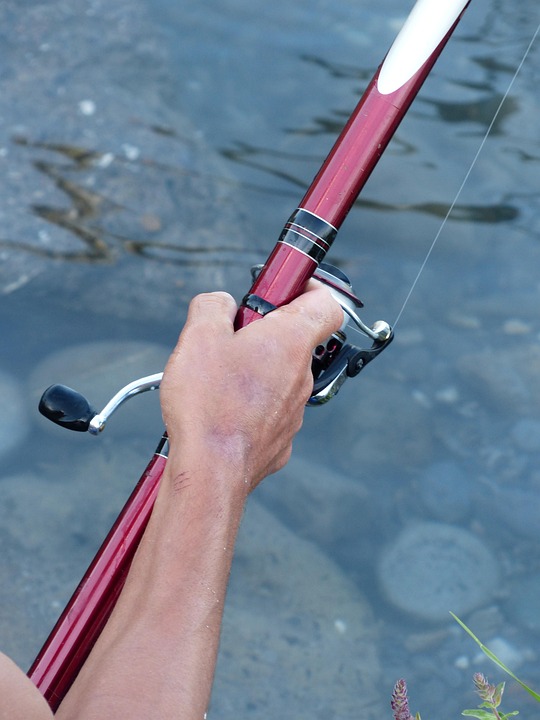
- Rod and Reel: Select a rod that suits your style but typically, a medium to medium-heavy rod around 10 to 12 feet is ideal. Pair it with a reel that has a good drag system.
- Line: Opt for a braided line, preferably between 10-15 lb test, for more sensitivity and strength.
- Feeder: Types of feeders include method feeders, open-end feeders, and running feeders. Each serves different purposes, with method feeders being exceptionally popular for targeting carp.
Bait Selection
Carp are opportunistic feeders; therefore, the bait must be enticing. Options can range from boilies and pellets to sweet corn and maggots. Here’s a breakdown:
- Boilies: These are dough-based baits that can be flavoured and colored in various ways to catch a carp’s attention.
- Pellets: High-protein pellets dissolve slowly, releasing scents and attracting carp to your rig.
- Sweet Corn: An all-time favorite, sweet corn can be used alone or as part of a mix for added attraction.
Understanding Carp Behavior
To become a successful angler, it’s crucial to understand how carp behave. They are often found near the bottom of the water body, particularly in areas with structure like beds of weeds, submerged rocks, or snags.
Seasonal Patterns
- Spring: Carp become more active as temperatures rise. They’ll be in shallow waters for spawning.
- Summer: Hot weather drives carp deeper but also makes them more willing to take bait. Early morning or late evening is prime time.
- Autumn: Carp prepare for winter and feed aggressively. Use heavier rigs.
- Winter: Carp tend to hibernate. Fishing is possible but requires finesse.
The Feeding Strategy
Successful carp feeder fishing relies heavily on a strategic approach to baiting and location. Here are some tactics employed by professionals:
Pre-Baiting
Pre-baiting involves getting your target area’s fish accustomed to your bait. This method may require several days or even weeks of placing bait in the desired spot without fishing.
Positioning the Feeder
Once you’re ready to fish, carefully place your feeder into the water. Aim for spots that show signs of activity, like bubbles or fish movements.
Patience and Observation
A successful angling experience often demands patience. Keep a watchful eye on your rod tip for any slight movements that indicate a fish is interested in your bait.
Advanced Techniques
Developing your skills further can transform your carp fishing experience. Here are a few advanced techniques recommended by seasoned pros:
Using PVA Bags
PVA (polyvinyl alcohol) bags dissolve in water, releasing a bait mix around your hook bait. This method helps create a scent trail and attracts fish without spooking them.
Thinking Outside the Box
Experimenting with unusual or unique bait combinations can yield unexpected results. Use local baits or homemade mixes for a fresh approach.
Capturing Big Carp: Tips from Professionals
Knowing how to target larger carp can mean the difference between a good day and a great day of fishing.
Time Your Capture
Following the lunar cycle can sometimes result in better fishing. Pay attention to moon phases and target your trips around these times.
Use a Stiffer Rig
Stiff rigs reduce the chance of tangles and increase your hook-up rate. Using a combi rig helps with this versatility.
Conclusion
Mastering the art of carp feeder fishing is a rewarding endeavor that combines skill, patience, and strategy. By understanding the behavior of carp, selecting the right equipment, and employing effective techniques, any angler can significantly increase their chances of success. Drawing on the wisdom and strategies shared by experts, you can elevate your fishing game and enjoy the thrill of landing that coveted catch. Practice, adapt, and remain persistent, and soon you’ll find yourself mastering the waters of your favorite fishing spot.
FAQs
What is the best time of year for carp feeder fishing?
Spring and autumn are generally the most productive seasons, as carp are actively feeding. Early morning and late evening outings during these times can yield great results.
How do I know the best location to fish for carp?
Look for areas with structure, such as lily pads, weed beds, and submerged logs. Carp are often found near these habitats as they provide cover and food.
Can I catch carp in winter?
Yes, while carp feed less actively in winter, they can still be caught. Use lightweight baits and fish slowly in deeper waters.
What bait is most effective for carp?
While various baits can be effective, standard options like boilies, pellets, and sweet corn tend to work well. Experimenting with different flavors can help you discover what works best in your fishing location.
Is pre-baiting necessary?
While not essential, pre-baiting can significantly increase your chances of success by familiarizing carp with your bait and enticing them to stay in the area.
- big carp fishing
- carp angling
- carp boilies
- carp feeder fishing
- carp fishing
- carp fishing bait
- carp fishing destinations
- carp fishing gear
- carp fishing guides
- carp fishing holidays
- carp fishing lakes
- carp fishing methods
- carp fishing reels
- carp fishing rigs
- carp fishing rods
- carp fishing techniques
- carp fishing tips
- carp groundbait
- carp hair rig
- carp pellets
- European carp fishing
- France carp fishing
- margin carp fishing
- method feeder carp fishing
- monster carp fishing
- river carp fishing
- Spain carp fishing
- stalking carp
- trophy carp fishing
- UK carp fishing









Leave a comment