











The pursuit of carp fishing has transformed over the decades from a purely utilitarian endeavor to a respected recreational sport. Among the various techniques in the angler’s arsenal, “stalking” has emerged as both a refined and tactical method of catching carp. This article explores the nuances of carp stalking, focusing on its art, strategy, and essential gear, while providing insights that can enhance both novice and experienced anglers alike.
Understanding Carp Behavior
To master carp stalking, one must first understand the species they are pursuing. Carp are inherently wary creatures, known for their adaptive and cautious nature. Their feeding habits are influenced by several factors – weather changes, water temperature, and the availability of food sources.
Carp will often feed in the early morning or late evening when they feel more secure, making them more accessible for stalking. During warmer months, they may also be seen basking near the surface or cruising along the margins of lakes and rivers. Their behavior can provide critical clues; watch for bubbles on the water surface or disturbances that signal feeding activities.
Essential Gear for Carp Stalking
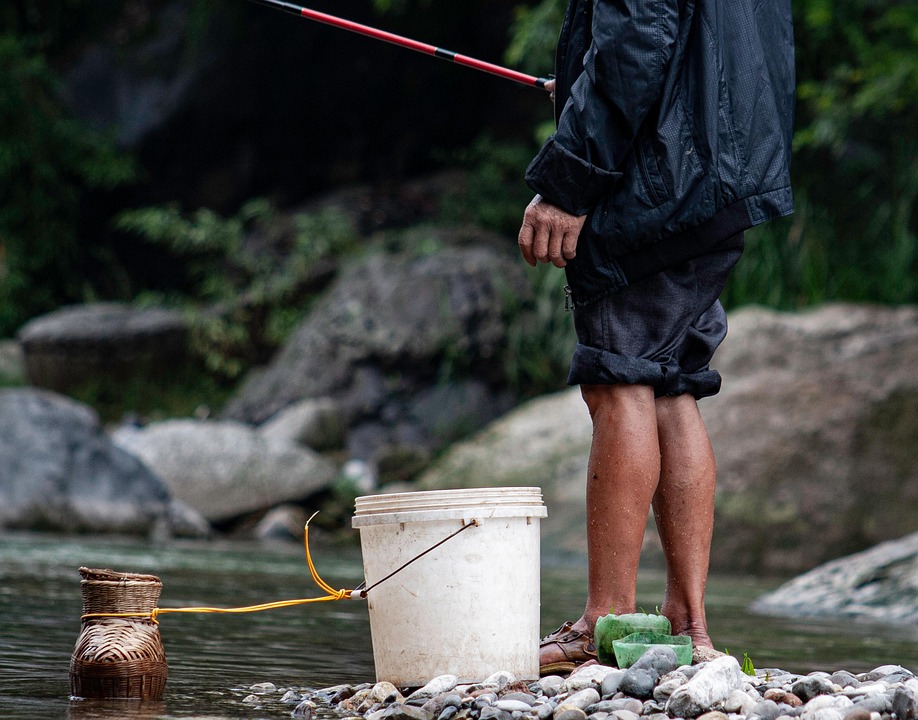
Unlike traditional carp fishing that often utilizes heavy gear, stalking requires a lighter and more mobile setup. Here is a list of essential items that every stalker should consider:
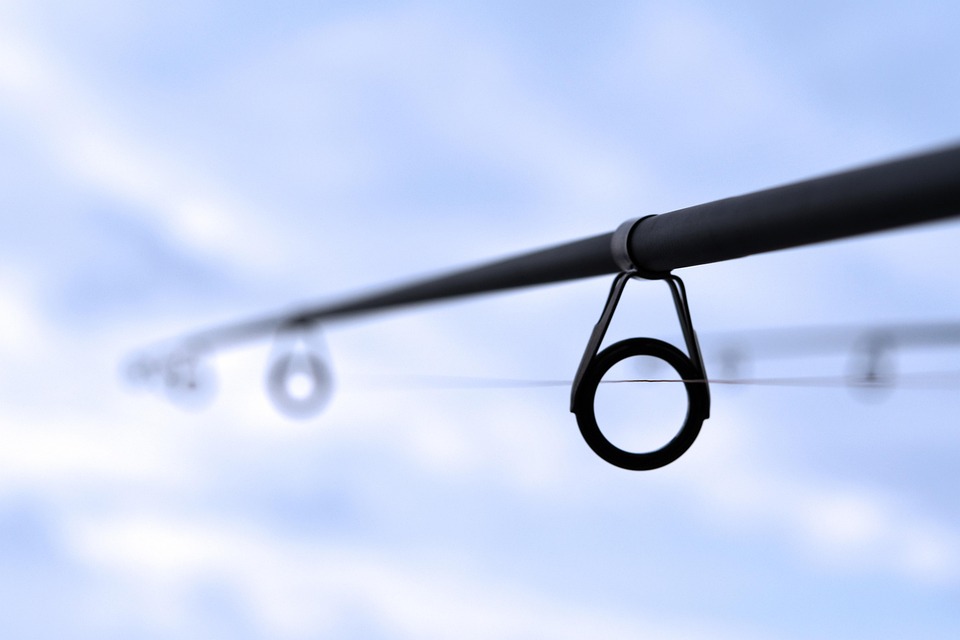
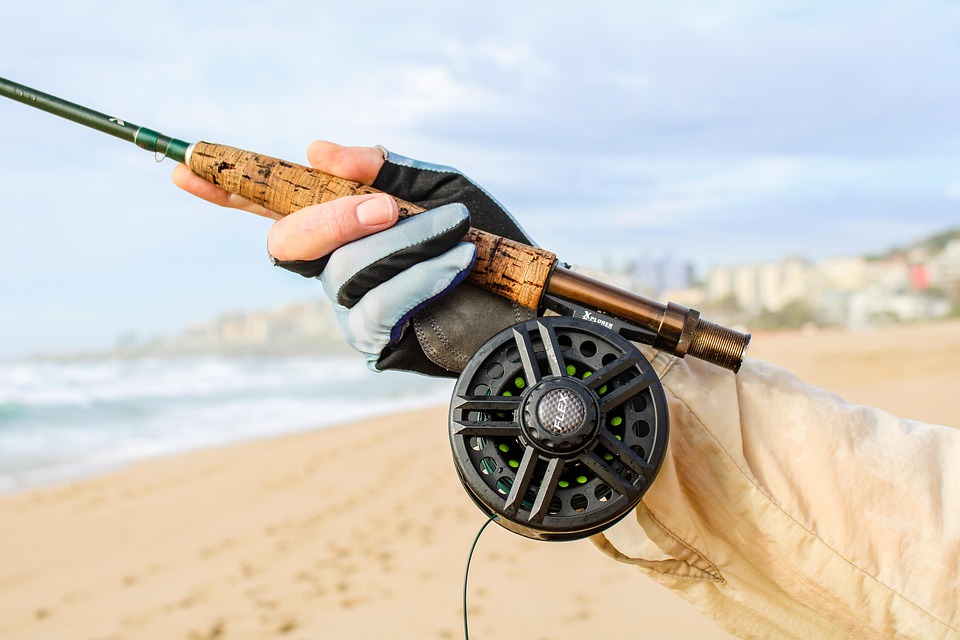
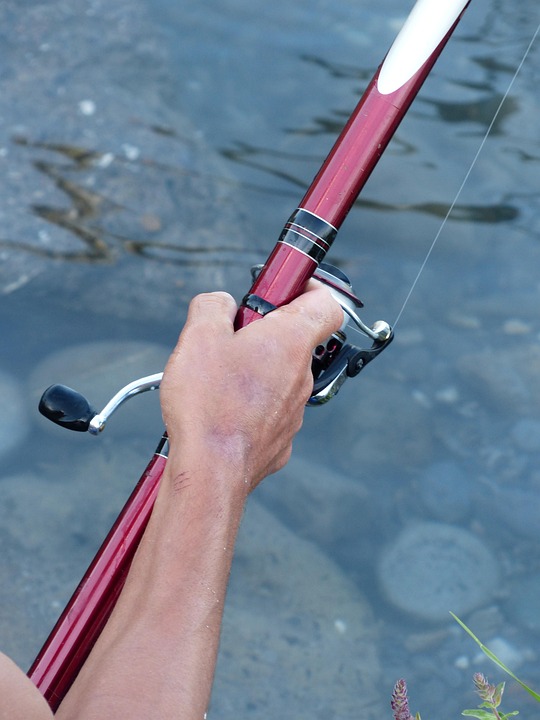
- Rods: Opt for lighter rods that allow for nimble casting and easy maneuverability.
- Reels: A smooth reel that handles different line types seamlessly is essential for quick adjustments.
- Line: A low-diameter braided line or fluorocarbon leader can enhance stealth, reducing visibility in clear waters.
- Bait: Choose natural baits such as corn or boilies that carp find irresistible, especially those that mimic their natural food sources.
- Landing Nets: A large, soft-meshed net is crucial as carp are heavy fish and require care when being landed.
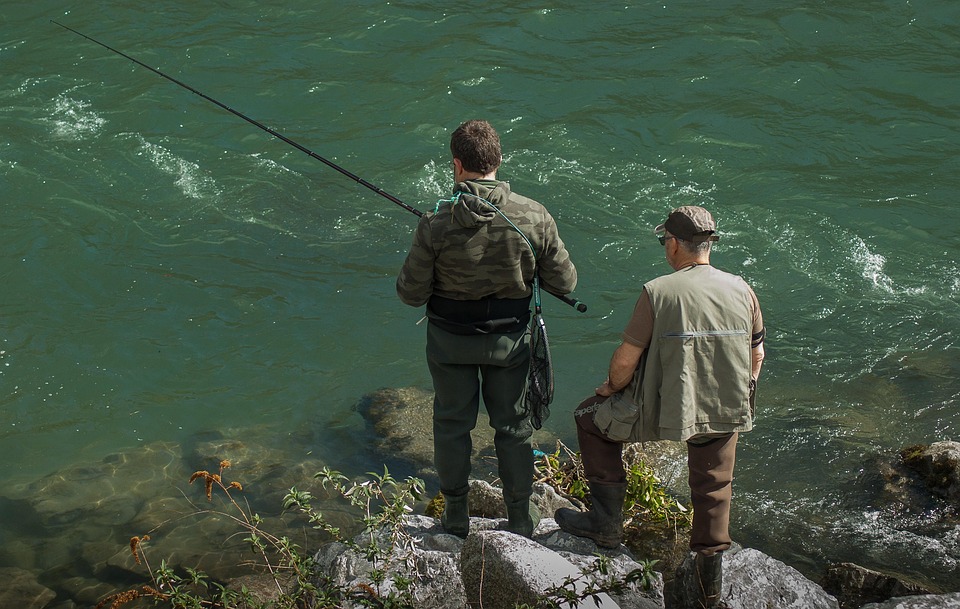
- Camouflage Clothing: Dressing in muted colors helps you blend into your surroundings, crucial for preventing spooking the fish.
Stalking Techniques That Work
1. Silent Approach
Carp are incredibly sensitive to vibrations and noises in their environment. The first rule of stalking is to be as silent as possible. Always approach the water’s edge with caution. Consider using a low-profile vantage point, like crouching behind bushes or reeds, to maintain stealth.
2. Observation and Patience
A successful stalker will spend ample time observing the water’s surface. Identify feeding fish, noting their patterns and potential feeding spots. Patience is key; sometimes you might wait for hours for the right moment to cast, but the results often justify the wait.
3. Downstream Positioning
Position yourself upstream from the area where carp are active. This allows you to cast downstream, presenting bait naturally in the fish’s line of sight. Additionally, it reduces the chances of alerting the carp with your shadow or movement.
4. The Right Cast
Your cast must be precise and soft. Carp can be spooked by heavy splashes, so aim to drop your bait quietly within a few feet of the feeding fish. A well-placed bait might tempt a carp to take the bite right in front of you!
5. Using a ‘Stalking’ Rig
Utilizing a simple hair rig can be effective for stalking. This technique allows the bait to be presented naturally and helps in bait presentation without signaling alarm to the fish. Using small hook sizes ensures the carp can easily inhale the bait on the first attempt.
Identifying Prime Locations
Successful stalking relies heavily on identifying prime feeding locations. Here are some effective spots to consider:
- Marginal Areas: Carp frequently patrol the edges of lakes and rivers, often searching for food in shallower waters.
- Weed Beds: These areas offer cover and abundant food sources; carp love to forage here.
- Underwater Features: Structures such as fallen trees or rocks create hiding spaces where carp are likelier to congregate.
- Moving Water: In streams or rivers, look for eddies and slack waters where fish tend to gather to feed.
The Mindset of a Successful Stalker
While stalking skills and knowledge are essential, the right mindset can be equally important. Anglers must prioritize focus and calmness, particularly when they finally spot a feeding carp. Anxiety and excitement can lead to hasty decisions that ruin opportunities. Stalking carp requires a zen-like patience and an appreciation for the environment.
Connect with your surroundings. Understanding the dynamics of the water, the weather, and the behavior of the fish can all lead to greater success. Note changes in light, wind direction, or even water currents, as these can affect fish activity.
The Community Aspect of Carp Stalking
The rise of carp stalking has also seen a growing community of anglers who share techniques, success stories, and tips. Online forums and social media groups created around carp fishing bring enthusiasts together, building camaraderie and knowledge across geographical boundaries. Participating in local fishing clubs or groups can offer practical learning experiences and foster friendships that enrich the fishing experience.
Conclusion
Mastering carp stalking techniques involves a blend of knowledge, skill, and patience. By understanding the behavior of carp, employing the right gear, and adopting effective stalking techniques, anglers can significantly enhance their chances of success. The art of stalking isn’t just about catching fish; it can be a profound way to connect with nature, appreciate the nuances of the aquatic ecosystem, and enjoy the excitement of the chase. Whether you are a beginner or a seasoned angler, refining these skills will undoubtedly deepen your passion for carp fishing.
FAQs
Carp stalking is an angling technique that involves quietly approaching and presenting bait to carp in their natural habitat, often at closer quarters than traditional fishing methods.
Early morning and late evening are often the best times for carp stalking, as carp tend to be more active and feed during these cooler periods.
While you can use standard fishing gear, it’s beneficial to have lighter rods, low-profile reels, and low-diameter lines to enhance stealth and mobility.
Look for surface disturbances, bubbles, or cruising fish. Observing these signs can help you identify where carp are actively feeding.
Yes, carp stalking can be an accessible entry point for beginners. Understanding carp behavior and employing basic techniques can lead to rewarding fishing experiences.
- big carp fishing
- carp angling
- carp boilies
- carp feeder fishing
- carp fishing
- carp fishing bait
- carp fishing destinations
- carp fishing gear
- carp fishing guides
- carp fishing holidays
- carp fishing lakes
- carp fishing methods
- carp fishing reels
- carp fishing rigs
- carp fishing rods
- carp fishing techniques
- carp fishing tips
- carp groundbait
- carp hair rig
- carp pellets
- European carp fishing
- France carp fishing
- margin carp fishing
- method feeder carp fishing
- monster carp fishing
- river carp fishing
- Spain carp fishing
- stalking carp
- trophy carp fishing
- UK carp fishing










Leave a comment