

















Catfishing, often regarded as one of the most exhilarating freshwater fishing experiences, entices anglers of all skill levels with the promise of hooking a hefty reward. These bottom-feeding fish, with their unique morphology and behavior, offer both challenges and triumphs for those willing to learn the nuances of the sport.
Understanding Catfish Behavior
Before diving full-on into techniques and equipment, it’s crucial to understand the basic behavior and habitat of catfish. Comprising over 3,000 species globally, the most common ones targeted in North America include the Channel, Flathead, and Blue catfish.
Feeding Habits
Catfish are opportunistic feeders and primarily consume:
- Live bait (like minnows and worms)
- Cut bait (pieces of fish or seafood)
- Commercial catfish bait
They are most active during warmer months and typically feed better at dusk and dawn. Understanding these factors can drastically improve your catch rate.
Best Equipment for Catfishing
Choosing the right equipment is instrumental in maximizing your success on the water. Here’s a rundown of essential gear for novice to advanced anglers:
Rods and Reels
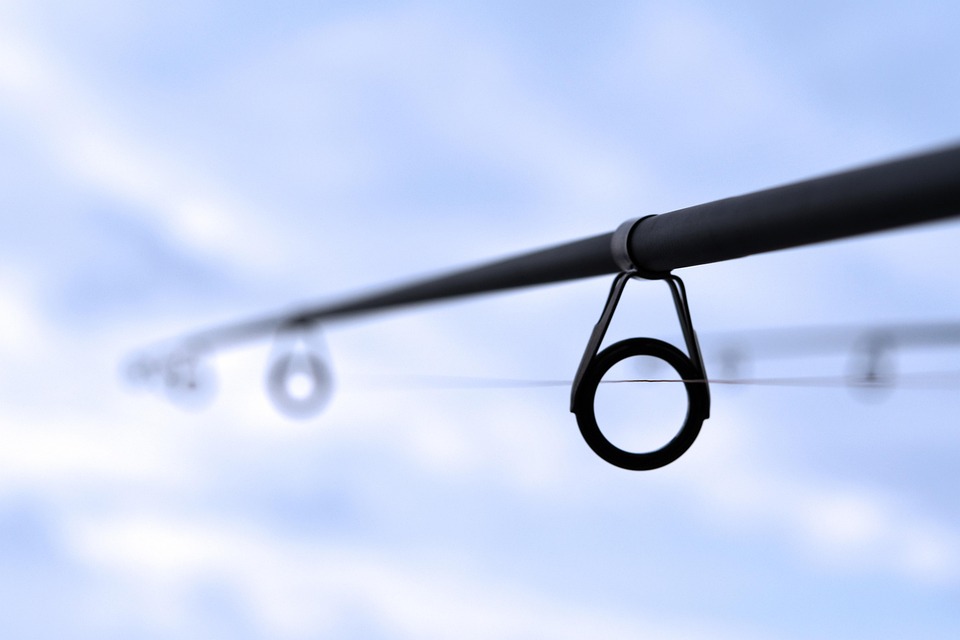
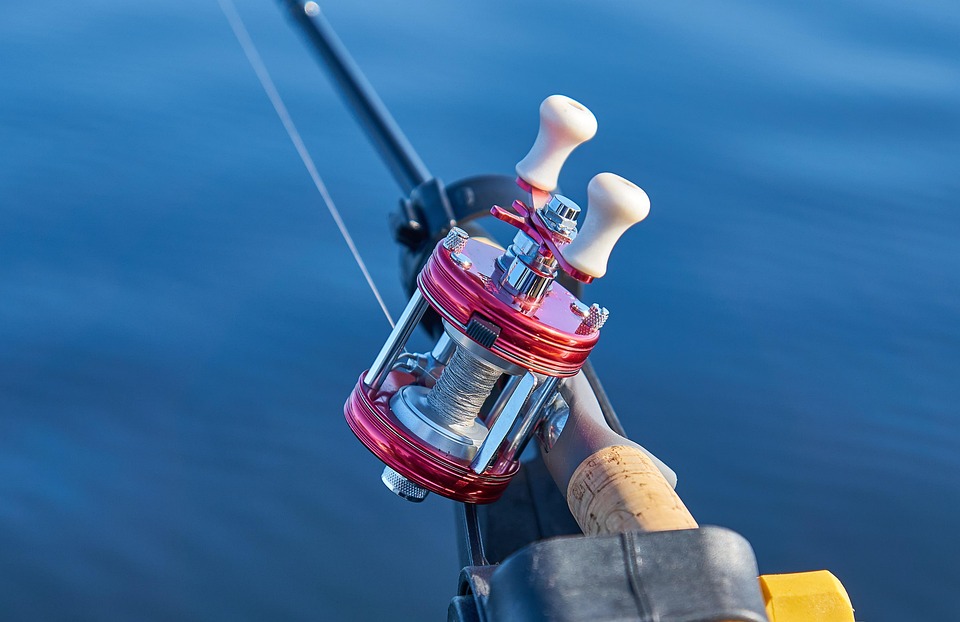
While selecting a fishing rod, look for a medium to heavy action rod, typically between 6 to 7 feet long. Pair it with a quality baitcasting reel or a spinning reel strong enough to handle larger fish.
Line
Invest in a durable monofilament or braided line. A 20-30 lb test line is usually suitable, capable of withstanding the strength of catfish.
Hooks
Circle hooks are highly recommended for catfishing. They are designed to catch fish in the corner of the mouth, which minimizes the chances of injury and allows for easy catch-and-release.
Bait Selection: What Works Best?
Bait selection can be the deciding factor in whether you return home empty-handed or with a stringer full of fish. Here’s a closer look at different bait types:
Live Bait
When targeting catfish, live bait remains one of the most effective options. Nightcrawlers, shad, and bluegill can act as irresistible meals for larger fish.
Cut Bait
Using pieces of oily fish such as mackerel or herring can also draw in catfish. The scent released into the water is particularly alluring during warmer months.
Commercial Baits
Many brands offer specialized catfish bait that mimics the scent and taste of natural prey. These can be especially useful for targeting specific types of catfish.
Techniques to Hook More Catfish
There are various fishing techniques that can help boost your success rate. Here are proven methods for anglers at any skill level:
Bottom Fishing
This technique involves casting out a line with bait weighted to sit on the bottom of the water body. This is particularly effective as catfish often dwell near the bottom.
Drift Fishing
If you’re on a boat, drift fishing allows you to cover a larger area. Attach baited lines to multiple rods, letting the current pull them along to find active fish.
Jug Fishing
Utilizing floating jugs can be an exciting way to catfish. Attach a hook and bait to the jug, and release it into the water. As catfish bite, the jug will bob, letting you know to reel it in.
Locating Catfish: Essential Tips
To maximize your catfishing experience, knowing where to find catfish is just as important as knowing how to catch them.
Focus on Structure
Catfish favor areas with structure, such as:
- Rock piles
- Sunken trees
- Drop-offs
These spots provide shelter and ambush points for feeding. Utilize electronics such as fish finders to identify these structures under the water.
Temperature Matters
Catfish are more active in warmer waters (between 75°F and 85°F). Fishing in shallow waters during warmer months can yield great results as catfish move closer to the surface.
Seasonal Patterns
Understanding seasonal patterns can also enhance your fishing strategies. During spring, for instance, catfish move into shallow waters for spawning, making them easier to catch.
Tips for Catch and Release
Ethical fishing practices are essential for preserving catfish populations. Here are tips for successful catch and release:
Minimize Handling
Use wet hands or a landing net to minimize skin contact, as oils from human skin can harm fish.
Use Circle Hooks
Catching fish in the corner of the mouth is not only better for the fish but also makes it easier to release them quickly.
Revive Before Release
Before releasing the catfish, hold them in the water until they regain their buoyancy. This ensures they are ready to swim away and continue their life.
Conclusion
Catfishing presents a rewarding challenge for anglers, combining skill, knowledge, and the thrill of the catch. From picking the right equipment to employing effective techniques, mastering these elements will undoubtedly enhance your catfishing adventures. As you develop your skills and understanding of these fascinating creatures, remember that patience and practice are vital. The more time you spend on the water, the more you’ll learn. So grab your gear, choose your bait, and get ready to hook some catfish!
FAQs
What time of year is best for catfishing?
Spring and summer are typically considered the best seasons for catfishing as the warmer waters stimulate catfish activity. However, catfish can be caught year-round, with winter catches decreasing as temperatures drop.
Do catfish bite at night?
Yes, catfish are nocturnal and are often more active and willing to feed at night, making it an excellent time for anglers to fish.
What is the best bait for big catfish?
Live bait like shad or larger cut bait can be particularly effective for catching big catfish. Some anglers have success with large nightcrawlers or even stink baits specifically designed for larger fish.
How can I improve my catfishing skills?
Practicing regularly, researching different techniques, and learning from experienced anglers will help you improve. Joining local fishing clubs or forums can also be beneficial for gaining insights and tips.
Is catch and release safe for catfish?
Yes, catch and release is safe for catfish if done properly. Using minimal handling techniques and ensuring that the fish are revived before release is essential for their survival.
- advanced catfish fishing
- blue catfish fishing
- catfish angling
- catfish bait
- catfish fishing
- catfish fishing for beginners
- catfish fishing gear
- catfish fishing guides
- catfish fishing reels
- catfish fishing rods
- catfish fishing seasons
- catfish fishing spots
- catfish fishing tactics
- catfish fishing techniques
- catfish fishing tips
- catfish hooks
- catfish rigs
- catfish species
- channel catfish fishing
- cut bait catfish fishing
- deep water catfish fishing
- flathead catfish fishing
- lake catfish fishing
- live bait catfish fishing
- monster catfish fishing
- night catfish fishing
- river catfish fishing
- shallow water catfish fishing
- stink bait catfish fishing
- trophy catfish fishing
















Leave a comment