










Fishing is not just a pastime; it is a vibrant community activity that unites individuals through the tranquility of nature and the thrill of the catch. For newcomers, the world of fishing can feel overwhelming—different gear, techniques, and a plethora of fish species can lead to confusion. This comprehensive guide aims to simplify the essential aspects of fishing, allowing novices to gain confidence and ultimately enjoy their fishing experiences.
The Essential Gear for Beginners
Before you can cast your first line, it’s crucial to understand what equipment you need. While some experts might argue that fishing gear can be as specialized as it is diverse, beginners can get started with a handful of fundamental items.
1. Fishing Rod and Reel
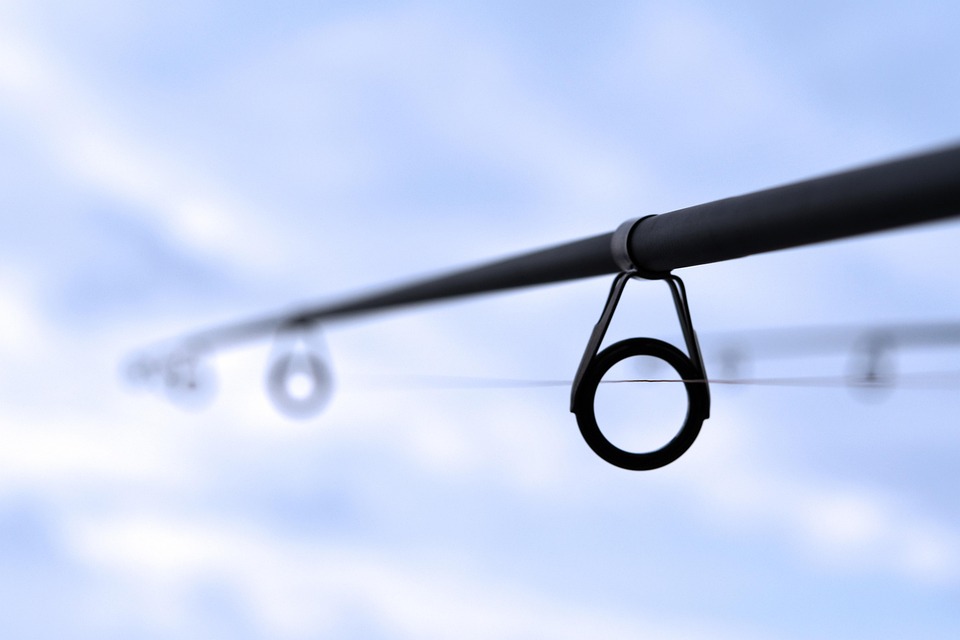
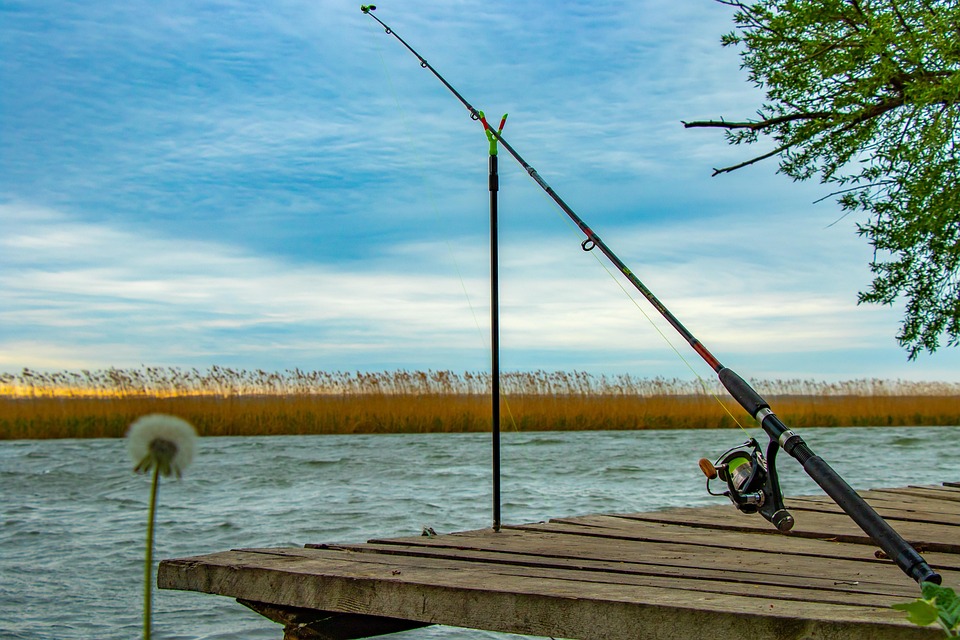
The fishing rod is your most essential tool. For beginners, a medium-action rod around 6 to 7 feet long is a versatile choice that can handle various species. Pair it with a spinning reel, which is easier to manage than baitcasting reels. Look for a combo that includes both rod and reel to keep things simple and cost-effective.
2. Fishing Line
Your fishing line connects you to the fish. A monofilament line between 10 to 12 lb test is an excellent choice for beginners. It’s forgiving and easy to handle while offering adequate strength for most fishing situations.
3. Hooks and Bait
Hooks are crucial for catching fish. A variety pack of hooks in sizes ranging from 6 to 10 will cover most basic needs. As for bait, live bait such as worms or minnows can be highly effective, while artificial lures are an option to consider as you gain experience.
4. Tackle Box
A tackle box will help you stay organized. Ensure it has compartments to keep your bait, hooks, lures, and other accessories neatly stored.
Understanding Fishing Techniques
Once you have your gear ready, understanding the different fishing techniques will allow you to fish effectively in various situations.
1. Casting
Casting is the most common technique for beginners. Stand with your feet shoulder-width apart. Hold the rod firmly, and with a smooth motion, bring the rod back and flick it forward to cast the line into the water. Practice will make this motion feel natural.
2. Trolling
Trolling involves slowly moving a boat while dragging baits or lures through the water. This is effective for covering large areas and can yield good results.
3. Still Fishing
This technique involves simply casting your line and waiting. It’s particularly useful when fishing in areas where fish are known to congregate. Use a bobber to help you know when a fish bites.
Selecting the Right Fishing Location
Choosing the right location is half the battle when it comes to fishing. Various environments offer different species and experiences:
1. Freshwater Fishing
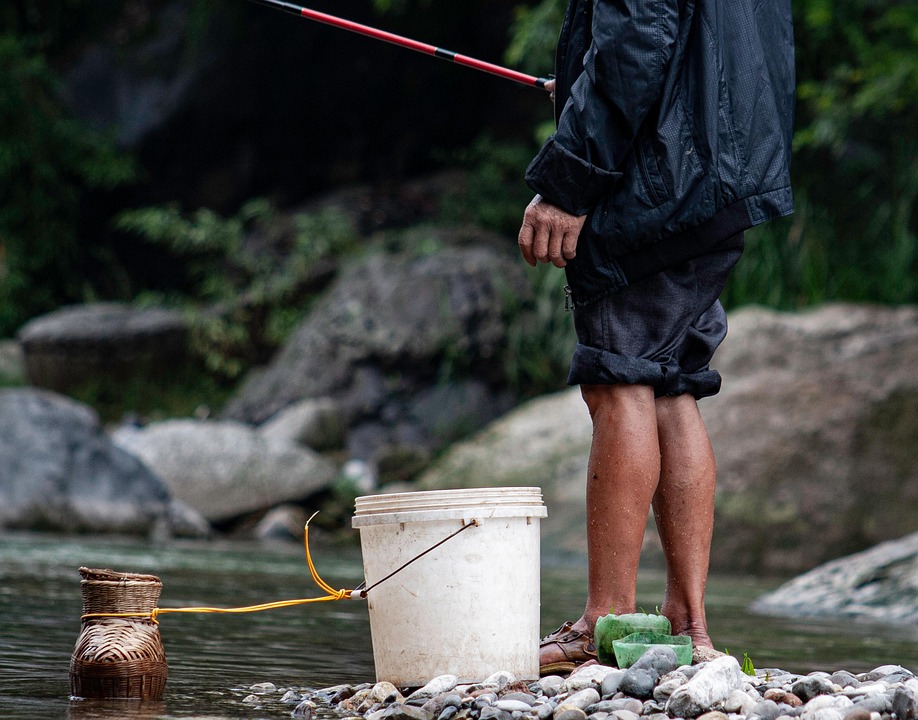
Rivers, lakes, and ponds provide ample opportunities for beginners. Popular freshwater species include bass, trout, and catfish. Research local regulations and fish populations to determine the best spots.
2. Saltwater Fishing
If you live near the coast, saltwater fishing can be extraordinarily rewarding. Species such as snapper, grouper, and tuna offer exciting challenges. However, ensure you understand the differences in fishing regulations and gear required.
Embracing the Environment
Once you’re set with equipment and techniques, it’s essential to respect our natural resources. Sustainable fishing practices ensure that the activity can be enjoyed for generations to come.
1. Follow Local Regulations
Various regions set limits on the types and sizes of fish that can be caught, along with specific seasons. Always check local regulations to fish legally and ethically.
2. Practice Catch and Release
Consider returning caught fish to the water, especially if they are below the legal size limit or if you do not plan to eat them. This practice helps maintain fish populations and supports the ecosystem.
Enhancing Your Skills
Fishing is a skill that improves with practice. Consider these ways to enhance your skills:
1. Take a Class
Many local organizations offer fishing workshops or classes targeting beginners. These can provide hands-on experience and valuable insights from experienced anglers.
2. Join Fishing Clubs
Joining a local fishing club allows you to meet other enthusiasts. You’ll learn from their experiences, share valuable tips, and even participate in group outings.
The Joy of Fishing
Beyond the technical aspects, fishing is about enjoying time in nature and creating lifelong memories. Whether you are with friends or family—or simply enjoying solitude—this ancient practice offers immense satisfaction and peace.
Conclusion
Fishing may seem daunting at first, but by focusing on the basics, learning essential skills, and respecting our natural environment, newcomers can quickly become proficient anglers. Equip yourself with the right gear, understand fundamental techniques, choose optimal locations, and prioritize sustainable practices. Most importantly, remember that fishing is about enjoying the journey, embracing the awe of nature, and perhaps, savoring that freshly caught meal. So grab your rod, head outdoors, and start your fishing adventure!
FAQs
1. What fishing licenses do I need?
Fishing licenses vary by state and country. Check local regulations to see what type of license you may need based on your fishing location and species targeted.
2. Is it better to fish in the morning or evening?
Many anglers prefer early morning or late evening fishing, as fish tend to be more active and feeding during these cooler parts of the day.
3. What should I do if I catch a fish?
If you intend to keep the fish, handle it carefully and store it properly. If practicing catch and release, return the fish to the water as quickly and gently as possible to increase its survival chances.
4. How can I identify fish in the wild?
Invest time in learning about common species in your area. Field guides and smartphone apps can help with identification, along with joining local fishing forums.
5. What’s the best bait for beginners?
Live bait, such as worms, typically yields good results for novice anglers. However, artificial lures can also work, especially once you learn about different species and techniques.
- beginner bass fishing
- beginner carp fishing
- beginner catfish fishing
- beginner fishing advice
- beginner fishing baits
- beginner fishing gear
- beginner fishing guides
- beginner fishing guides online
- beginner fishing knots
- beginner fishing lures
- beginner fishing mistakes
- beginner fishing reels
- beginner fishing rods
- beginner fishing strategies
- beginner fishing techniques
- beginner fishing tips
- beginner fishing trips
- beginner fishing tutorials
- beginner fishing videos
- beginner fly fishing
- beginner freshwater fishing
- beginner muskie fishing
- beginner panfish fishing
- beginner pike fishing
- beginner saltwater fishing
- beginner trout fishing
- fishing basics
- fishing for beginners
- how to fish
- new anglers tips






Leave a comment