














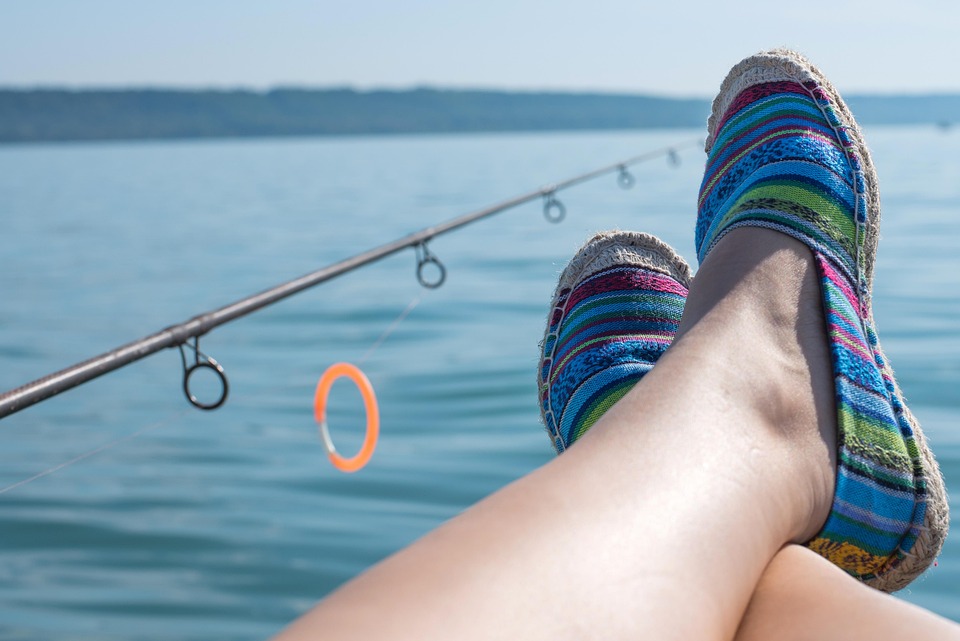


Jigging is an age-old fishing technique that continues to captivate anglers around the world. It is a dynamic method that involves the use of a jig, a type of fishing lure, to entice fish into striking. The technique’s versatility allows it to be adapted for various species and water conditions, making it essential knowledge for both novice and expert fishermen alike.
The Fundamentals of Jigging
At its core, jigging involves a vertical motion that simulates the movement of prey. This method can be employed in both freshwater and saltwater environments. The basic concept is simple: a heavy lure is dropped to the desired depth, and then quick, jerking movements are used to make it bounce off the bottom or swim through the water column.
Understanding the types of jigs available is crucial for mastering this technique. Jigs come in various weights, sizes, colors, and designs. Each one serves a specific purpose. For example, a heavier jig may be ideal for deep waters, while a lighter jig might be utilized in shallower areas. Selecting the right jig can make all the difference in your success rate.
Choosing the Right Gear
The effectiveness of jigging greatly depends on the gear you use. Here are some essential components to consider:
Rods
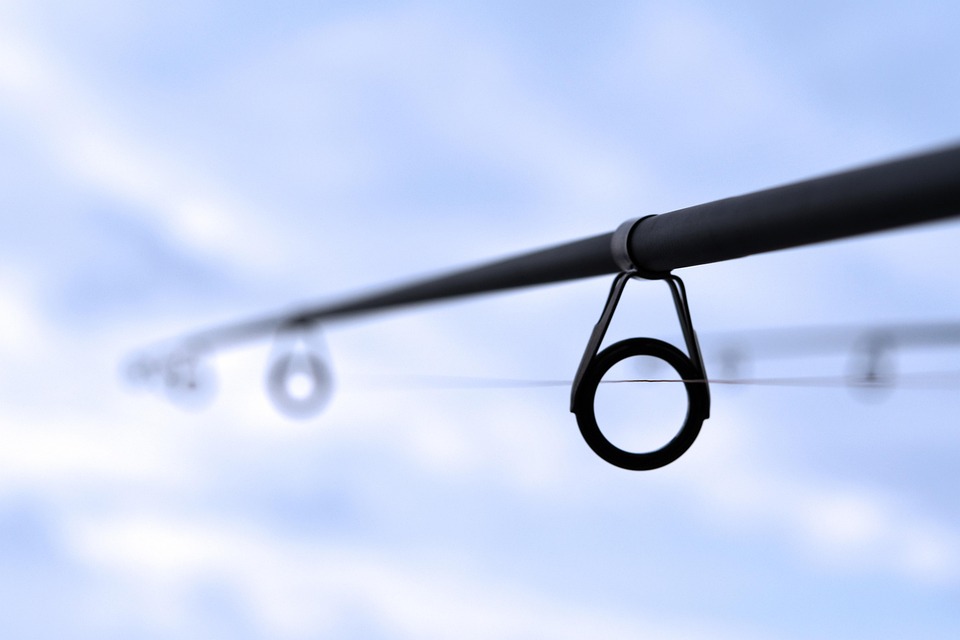
A jigging rod should typically be a bit shorter and more sensitive than standard fishing rods. Look for one that has a fast action—a rod that bends mostly at the tip—allowing for quick hook sets as fish strike.
Reels
Pairing your rod with a suitable reel is also vital. Spinning reels and baitcasting reels are both popular options, depending on your comfort and preference. Ensure that your reel has a smooth drag system to handle the sudden dives and runs of larger fish.
Lines
The choice of fishing line can greatly influence your success. Braided fishing line is often preferred due to its strength and low visibility under water. However, a monofilament line may be used in certain conditions where stretch is required.
Effective Jigging Techniques
While the basic jigging action is straightforward, mastering it takes practice. Here are several techniques to enhance your jigging skills:
Vertical Jigging
Vertical jigging is the core of this technique. It requires dropping the jig straight down into the water and employing a series of upward jerks. The key is to maintain a rhythm that mimics a wounded baitfish. Use your rod tip to move the jig upwards, allowing it to fall back down naturally. This “yo-yo” action is known to be especially effective for species like bass and walleye.
Cast and Retrieve Jigging
This method combines traditional casting with jigging techniques. After casting your jig, allow it to sink to the desired depth. Then, retrieve it using a series of lifts and pauses. This technique can provoke predatory strikes as it represents a struggling baitfish trying to escape.
Slow Pitch Jigging
Originating from Japan, slow pitch jigging is a more subtle approach that focuses on imparting slow and deliberate movements to entice larger fish. Using lighter jigs, the technique utilizes the natural buoyancy of the lure to create an enticing fluttering action. This technique works well for deep-sea species such as tuna and snapper.
High-Speed Jigging
In contrast to slow pitch jigging, high-speed jigging is all about speed and energy. It involves using heavier jigs that can be retrieved quickly to create a fast, aggressive action. This method is highly efficient for pelagic species like mackerel and bluefin tuna.
Reading the Water
A successful jigging session goes beyond just technique; it’s also about understanding your environment. Key factors include:
Current and Tides
The movement of the water — whether it’s a strong current or tide — greatly affects fish behavior. In areas with strong currents, fish are likely to be holding onto structure or in calmer pockets.
Structure and Depth
Fish tend to congregate around underwater structures like rocks, reefs, and drop-offs. Knowing how to identify these areas can improve your chances of landing your target species.
Seasonal Patterns
Understanding seasonal patterns is critical to jigging success. Fish will often migrate depending on the time of year, affecting where they can be found. Researching seasonal trends can provide you insights into their feeding habits and movements.
Advanced Jigging Strategies
Once you have a firm grasp of the basics, exploring advanced strategies can further elevate your jigging success. Here are a few to consider:
Color and Design Matching
Fish can be sensitive to color, especially in clear waters. Utilizing bright or contrasting colors can help your jig stand out. Additionally, mimicking the local fauna—like local baitfish—can improve your chances of mistaken identity.
Utilizing Electronics
Sonar technologies can provide valuable insights into the underwater world. Fish finders can help you locate schools and structures, enhancing your effectiveness. Use these tools to guide your jigging strategy to optimal locations.
Experimenting with Jigging Styles
Don’t hesitate to experiment with different jigging styles and cadences. Fish behavior can be unpredictable, so adjusting your approach mid-session can yield success.
Conclusion
Mastering the art of jigging is no small feat, but with the right knowledge and techniques, anyone can become proficient. Whether you are aiming for freshwater species or venturing into the depths of the ocean, jigging provides a dynamic and engaging fishing experience. Remember to stay adaptable, continually refine your skills, and most importantly, enjoy the process. Fishing is as much about the journey as it is about the catch.
FAQs
What is the best type of jig for beginners?
For beginners, a simple lead head jig combined with a soft plastic bait is easy to work with and versatile. Start with a medium weight that can handle various depths.
How do I know what color jig to use?
Choosing the right color can depend on water clarity and the local baitfish. In murky waters, go for brighter colors, while in clear water, more natural colors are preferable.
Can jigging be done from shore?
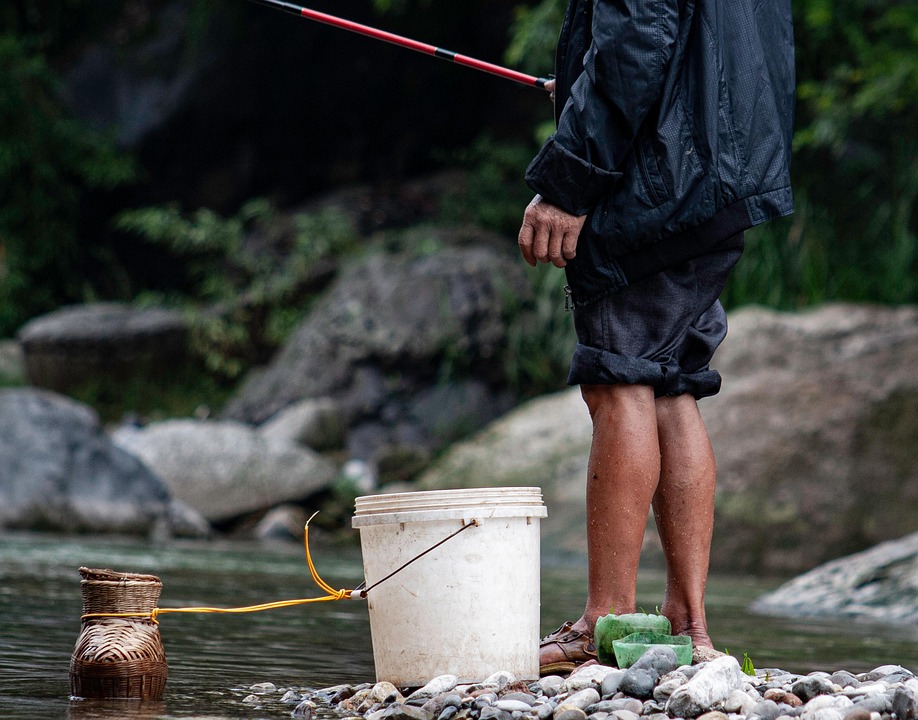
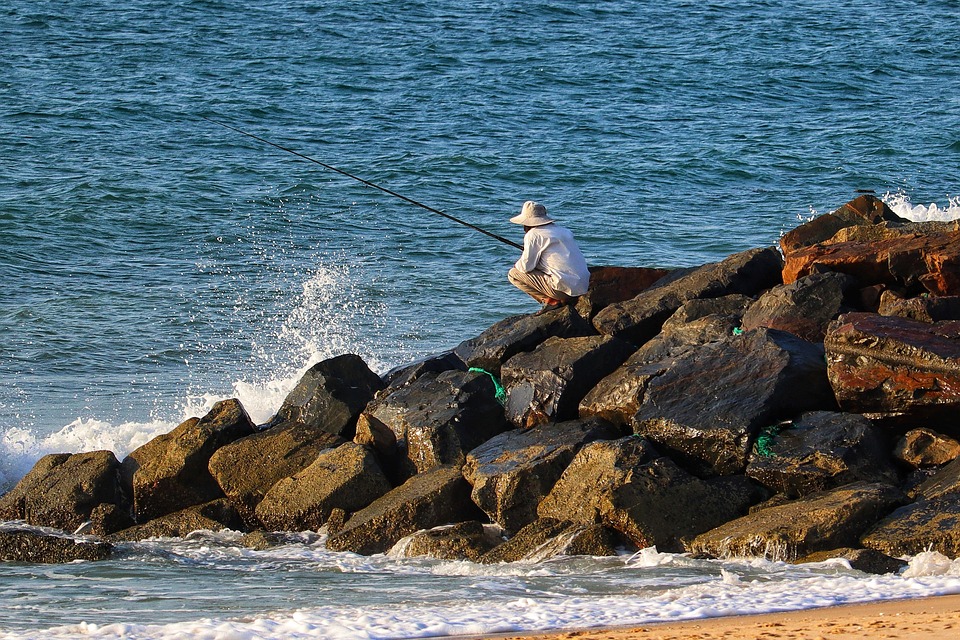
Yes, jigging can be effective from shore, particularly in areas with access to deeper waters or near structures. Use heavier jigs and practice your casting technique.
What types of fish can I catch using jigs?
Jigs can attract a variety of fish species, including bass, walleye, pike, tuna, snapper, and many more depending on your location and technique.
Do I need special hooks for jigging?
While regular hooks can work, jigs typically come with specially designed hooks that are sharp and strong enough to handle the strikes from predatory fish.
- barracuda fishing
- beach fishing
- big game fishing
- bluewater fishing
- boat fishing
- coastal fishing
- deep ocean fishing
- deep sea fishing
- drift fishing
- grouper fishing
- jigging fishing
- kingfish fishing
- mahi mahi fishing
- marlin fishing
- ocean fishing
- offshore fishing
- pier fishing
- reef fishing
- sailfish fishing
- saltwater angling
- saltwater fishing
- saltwater fishing guides
- shark fishing
- shore fishing
- snapper fishing
- sport fishing
- surf fishing
- trolling fishing
- tuna fishing












Leave a comment