












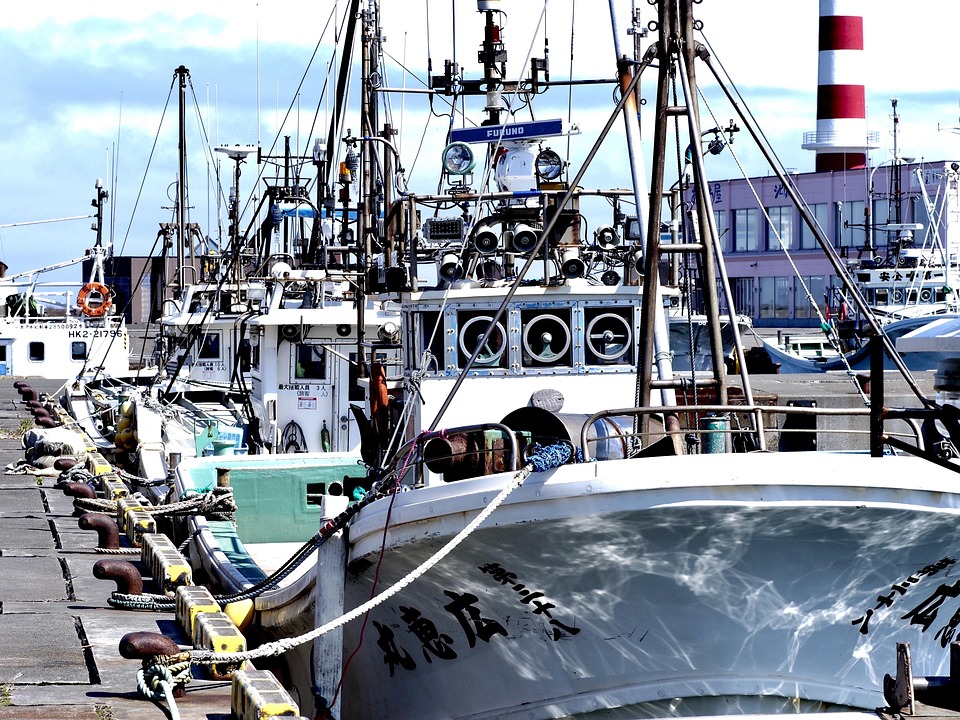
The allure of kingfish fishing, often considered the holy grail for anglers, is not just about the thrill of the chase but also the challenge posed by these magnificent fish. Known for their speed, strength, and aggressive nature, kingfish (or king mackerel) are deserving of the royal nickname. In this comprehensive guide, we will navigate through the intricacies of kingfish fishing—from understanding the species, to choosing the right gear, to mastering the techniques that will give you an edge on the water.
Understanding the Kingfish
Before you set out on a fishing expedition, it’s essential to understand the species you are targeting. The kingfish, scientifically known as *Scomberomorus cavalla*, is a large, streamlined fish that can weigh up to 90 pounds and grow over six feet in length. These fish are primarily found in the tropical and subtropical waters of the Atlantic Ocean and the Gulf of Mexico. Their distinctive features include:
- Streamlined Body: This helps them reach speeds up to 40 mph, making them formidable opponents.
- Coloration: They have a dark blue-green back and silver sides, which provide camouflage against predators and prey.
- Diet: Kingfish are carnivorous and primarily feed on smaller fish such as menhaden and sardines.
Where to Find Kingfish
Kingfish are pelagic, meaning they inhabit the open ocean rather than coastal waters. Here are some prime locations to consider:
- Gulf Stream: Areas where cold and warm water currents collide are hotspots for kingfish.
- Reefs and Wrecks: These structures create habitats for smaller fish, attracting larger predators.
- Nearshore and Offshore: Kingfish can be found both close to shore and up to 40 miles offshore.
Best Times to Fish for Kingfish
Timing is critical in fishing, especially for kingfish. They are most active during warmer months, typically from late spring to early fall. The best times of day to target them are:
- Morning and Evening: Kingfish are often more aggressive during these cooler parts of the day.
- Slack Tide: Fishing during periods of little current can increase your chances of success.
Essential Gear for Kingfish Fishing
Choosing the right equipment can significantly impact your fishing success. Here’s a recommended gear list:
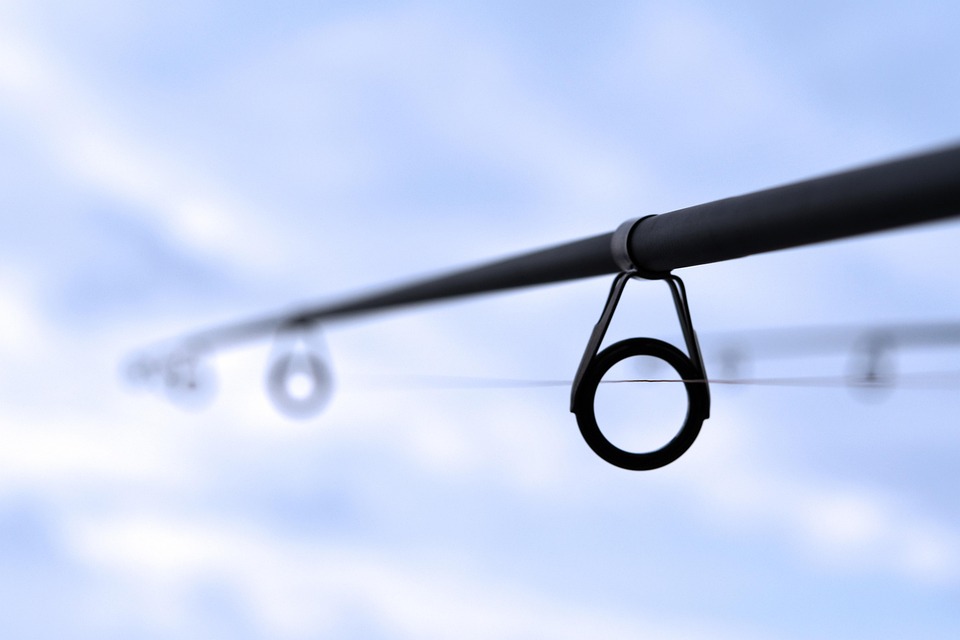
- Rod and Reel: A medium to heavy action rod paired with a reel capable of handling high drag forces is ideal. Look for reels with a minimum capacity of around 300 yards of 30-50 lb test line.
- Line: Braided line is preferred for its sensitivity and strength. A mono or fluoro leader of around 30-60 lb test is recommended to prevent bite-through.
- Hooks: Circle hooks are great for live bait, while treble hooks work well with lures.
- Terminal Tackle: Swivels, sinkers (if needed), and leaders are crucial elements in your tackle box.
Baiting Techniques
Kingfish can be caught using both live bait and lures, and each technique has its merits:
Live Bait
Using live bait is often the most effective method. Common choices include:
- Menhaden: A popular choice due to its oily scent and movement.
- Sardines: Easy to catch and perfect for attractants.
- Blue Runners: Excellent for larger kingfish.
Hook your bait through the back or the nose to allow it to swim naturally, increasing its appeal.
Artificial Lures
If you prefer lures, consider using:
- Jigging Spoons: Can be effective when fished at various depths.
- Trolling Lures: Create noise and disruption in the water, mimicking a distressed fish.
- Topwater Plugs: These can be thrilling, as you oftentimes witness kingfish explode on the surface.
Techniques for Catching Kingfish
Mastering fishing techniques will greatly increase your odds on the water. Here are a few recommended strategies:
Trolling
Trolling is a popular method for targeting kingfish, especially in open waters. Use multiple lines at different depths to increase your chances of a strike.
Drift Fishing
This technique involves allowing your bait or lure to move with the current. It’s particularly effective near structures, where kingfish are known to hide.
Jigging
If you prefer a more hands-on approach, try vertical jigging. Drop your lure to the bottom and retrieve it with quick upward jerks, imitating a fleeing baitfish.
Safety and Conservation
While the thrill of fishing is paramount, it’s essential to prioritize safety and conservation:
- Wear Personal Flotation Devices: Always ensure that your boat is equipped with life jackets.
- Follow Local Regulations: Be aware of fishing seasons and size limits regarding kingfish.
- Catch and Release: Consider releasing larger fish to maintain a sustainable population.
Conclusion
Kingfish fishing is more than just a sport; it’s a rite of passage for anglers who seek the thrill of battling one of the ocean’s fastest predators. With the right knowledge, gear, and techniques, you can enhance your fishing experience while also contributing to environmental sustainability. As you embark on this exhilarating journey, remember, the sea offers both challenges and rewards, and no story is complete without its fair share of adventure. So, gather your gear, respect the waters, and don’t forget to relish every moment spent reeling in royalty.
Frequently Asked Questions
1. What is the best time of year to catch kingfish?
The best time for kingfish fishing is typically from late spring to early fall, with peak activity during the warmer months.
2. What size tackle do I need for catching kingfish?
Use medium to heavy action rods and reels with a minimum capacity of 300 yards of 30-50 lb test line for optimal success.
3. Can I catch kingfish from shore?
Yes, while most prefer offshore fishing, kingfish can also be caught from piers and jetties, especially during migrations.
4. What is the best bait for kingfish?
Live bait such as menhaden, blue runners, or sardines are highly effective. Artificial lures also produce significant results if used correctly.
5. Are kingfish good for eating?
Yes, kingfish are considered good table fare, though due to higher mercury levels, it’s advisable to consume them in moderation.
- barracuda fishing
- beach fishing
- big game fishing
- bluewater fishing
- boat fishing
- coastal fishing
- deep ocean fishing
- deep sea fishing
- drift fishing
- grouper fishing
- jigging fishing
- kingfish fishing
- mahi mahi fishing
- marlin fishing
- ocean fishing
- offshore fishing
- pier fishing
- reef fishing
- sailfish fishing
- saltwater angling
- saltwater fishing
- saltwater fishing guides
- shark fishing
- shore fishing
- snapper fishing
- sport fishing
- surf fishing
- trolling fishing
- tuna fishing








Leave a comment