














Fishing is often regarded as a peaceful pastime, a chance to unwind while connecting with nature. However, beneath the placid surface lies an intricate world of techniques, tactics, and strategies that can mean the difference between coming home with dinner or just a great story. Whether you’re a novice or a seasoned angler, understanding the core secrets of effective fishing can enhance your experience and increase your catch rates. This article delves into the most effective fishing techniques, from baiting strategies to understanding fish behavior.
Understanding Fish Behavior
Before diving into specific techniques, it’s essential to grasp the fundamental aspects of fish behavior. Fish are affected by various environmental factors, including water temperature, light level, and weather conditions. Each of these plays a role in their feeding habits and movement.
- Water Temperature: Fish are cold-blooded and react to changes in water temperature. Understanding the optimal temperature ranges for different species can significantly impact your fishing success.
- Light Levels: Fish are generally more active during dawn and dusk. This is when they feed more aggressively, providing ideal conditions for anglers.
- Weather Conditions: Overcast days can often increase fish activity as they feel safer from predators. Additionally, barometric pressure changes can affect fish feeding patterns.
Essential Fishing Techniques
Now that we have a basic understanding of fish behavior, let’s explore some of the most effective fishing techniques. Each method requires attention to detail and practice to master.
1. Choose the Right Bait
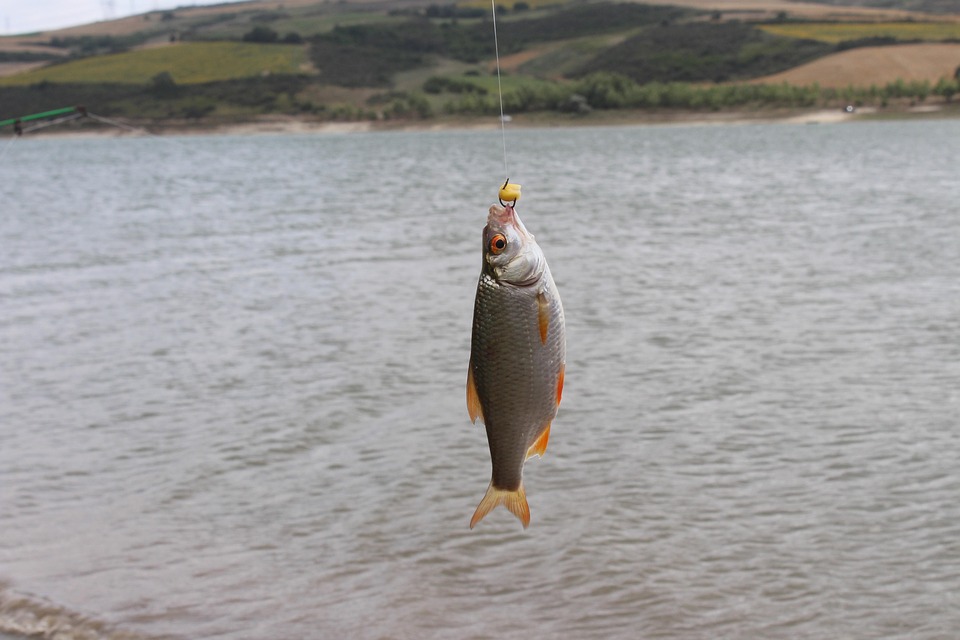
Choosing the right bait is perhaps the most vital step in fishing. It should resemble the natural food source of the fish species you’re targeting.
- Live Bait: Worms, minnows, and leeches can be incredibly effective. Live bait swims and moves like natural prey, enticing predators.
- Artificial Lures: Choosing the right lure often depends on the species. For example, crankbaits mimic small fish, while spinnerbaits create vibrations in the water that attract fish.
2. Master the Art of Casting
Improper casting can lead to tangles or missed opportunities. Mastering casting techniques can significantly improve your fishing experience.
- Overhead Cast: This is the most common casting technique. Hold the rod vertically, pull back on the rod tip and then launch it forward while releasing the line at the right moment.
- Sidearm Cast: Ideal for casting in tight spots. This technique allows more accuracy and minimizes splash.
3. Understanding Retrieval Techniques
Once you’ve cast your line, the next step is retrieval. The speed and manner in which you reel in your bait can determine whether or not you entice a fish.
- Stop-and-Go: This technique involves reeling in the bait, then pausing, which can mimic the behavior of struggling prey.
- Constant Retrieval: Steady reeling can work well with lures that create vibration and action, drawing fish to them.
4. Know Your Fishing Location
The location of your fishing outing is just as important as your technique. Certain bodies of water hold specific fish types and can be more fruitful based on various factors.
- Structures: Fish often congregate around underwater structures like rocks, fallen trees, and weeds.
- Current: Fish may hold in areas where current is present, such as eddies or seams in rivers.
5. Be Patient and Observant
Perhaps the most underrated aspect of fishing is patience. Being observant about your surroundings and the behaviors of the fish can lead to better outcomes.
- Watch for jumping fish or disturbances on the water’s surface that indicate feeding activity.
- Keep note of where you’re finding success and adapt your strategies accordingly.
Seasonal Considerations
Each season presents different challenges and opportunities for anglers. Understanding how fish behave during various seasons is crucial for planning successful fishing trips.
Spring
As the water warms in the spring, fish become more active. They often move closer to shore for spawning. This is an excellent time for anglers to find fish in shallow waters.
Summer
During summer months, fish may seek cooler, deeper waters to escape the heat. Early morning or late evening fishing is often most effective.
Fall
As temperatures begin to drop, fish start feeding aggressively in preparation for winter. This is a prime time for larger catches as they bulk up.
Winter
In cold months, many anglers turn to ice fishing. Fish are less active, making fishing techniques slow and methodical.
Conclusion
Effective fishing is more than simply casting a line and waiting for a bite; it involves understanding fish behavior, employing the right techniques, and being adaptable based on seasonal changes and environmental factors. By mastering the art of bait selection, casting, retrieval, and location scouting, you can elevate your fishing experience from a casual outing to a productive adventure. So grab your rod, embrace the spirit of adventure, and get ready to unlock the secrets of fishing that turn a simple pastime into an art form.
FAQs
1. What is the best time of day to go fishing?
Early morning and late evening are generally considered the most successful times for fishing due to increased fish activity during dawn and dusk.
2. What type of bait is best for beginners?
Live bait like worms is often recommended for beginners because it’s more effective and easier to manage.
3. How can I tell if I’m using the right lure?
If you’re not getting bites, consider switching your lure to one that mimics the natural prey of the fish you’re trying to catch.
4. Do I need a fishing license?
Yes, most regions require a fishing license. It’s essential to check local regulations to ensure compliance.
5. What do I do if I catch a fish but don’t want to keep it?
Practice catch-and-release by handling the fish carefully and minimizing its time out of the water, then gently release it back into the water.
- advanced fishing techniques
- artificial bait fishing
- bait fishing
- boat fishing methods
- casting fishing
- deep sea fishing techniques
- drift fishing
- fishing knots techniques
- fishing methods
- fishing methods for beginners
- fishing rigs methods
- fishing strategy tips
- fishing techniques
- fly fishing techniques
- freshwater fishing techniques
- inshore trolling
- jigging fishing
- live bait fishing
- lure fishing methods
- modern fishing techniques
- offshore trolling
- popping fishing
- professional fishing methods
- saltwater fishing techniques
- shore fishing methods
- slow jigging
- spinning fishing
- topwater popping
- trolling fishing
- vertical jigging













Leave a comment