














Largemouth bass (Micropterus salmoides) are one of the most sought-after freshwater fish in North America. Known for their size, aggressive nature, and fighting spirit, these fish have created a culture around them that is both passionate and competitive. For anglers seeking to catch trophy bass, understanding the behavior, habitats, and techniques is essential. This article serves as your definitive guide to landing that elusive trophy Largemouth bass.
The Allure of Largemouth Bass
The Largemouth bass is not just another fish; it’s a symbol of achievement for many anglers. With the potential to grow over 20 pounds and lengths surpassing 30 inches, these fish offer a thrilling challenge. Their prevalence throughout lakes, rivers, and ponds makes them accessible to anglers at all skill levels. Moreover, they are known for their striking appearance with dark green markings, creating a visually appealing catch.
Understanding Largemouth Bass Behavior
Feeding Habits
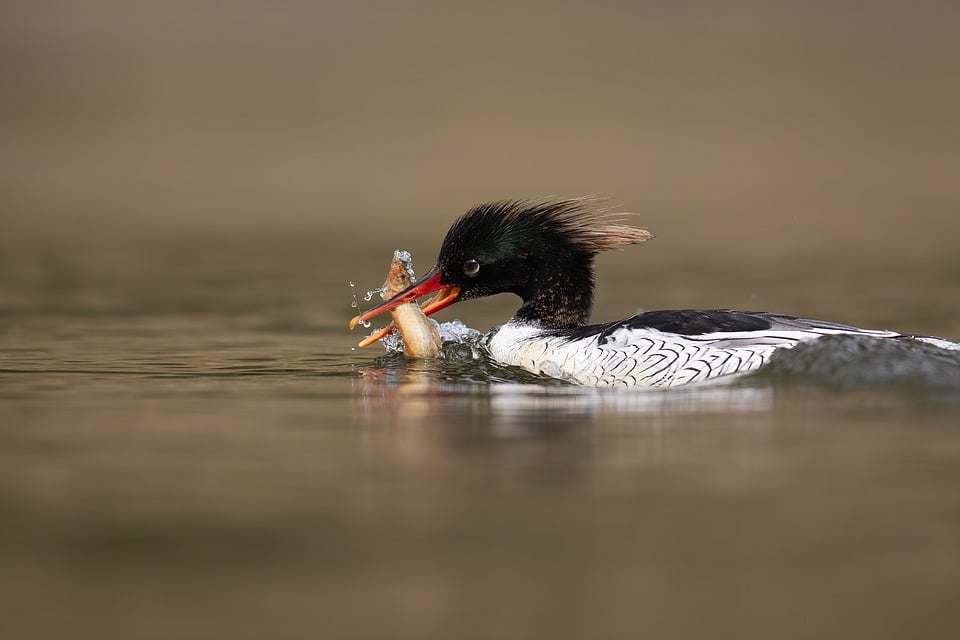
Largemouth bass are opportunistic feeders, which means they will consume whatever prey is available. Their diet primarily consists of:
- Shad
- Bluegill
- Crawfish
- Small fish
Understanding their feeding habits can greatly enhance your chances of catching them. For instance, early mornings and late afternoons typically see increased activity as they hunt for food.
Habitat Preferences
These bass prefer warm, shallow water with plenty of structure, which provides cover for hunting and breeding. Look for:
- Weed beds
- Standing timber
- Rock piles
- Underwater drop-offs
Strategically positioning yourself near these habitats can dramatically increase your chances of hooking a trophy-sized fish.
Essential Gear and Equipment
Rods and Reels
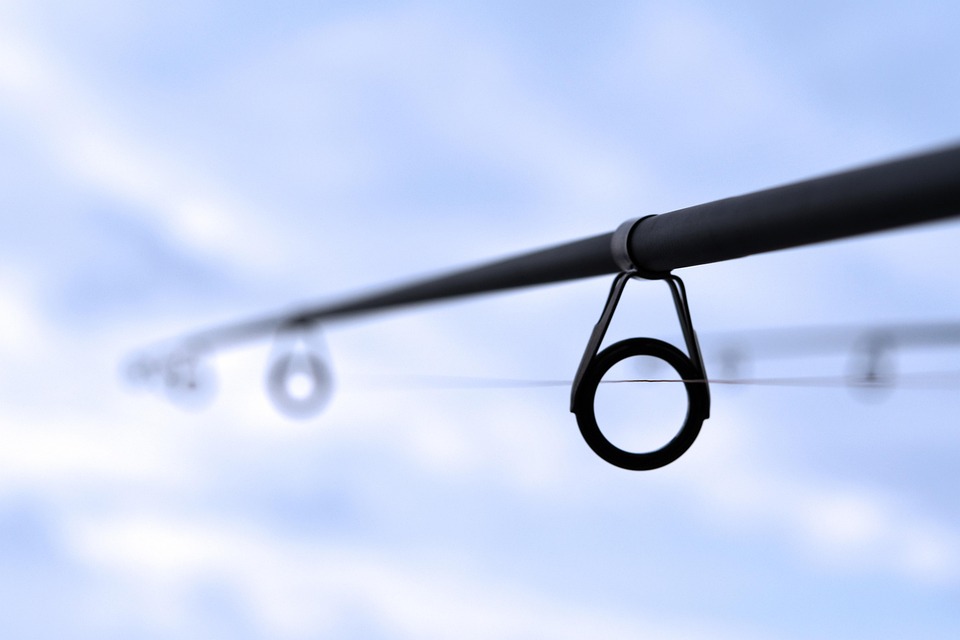
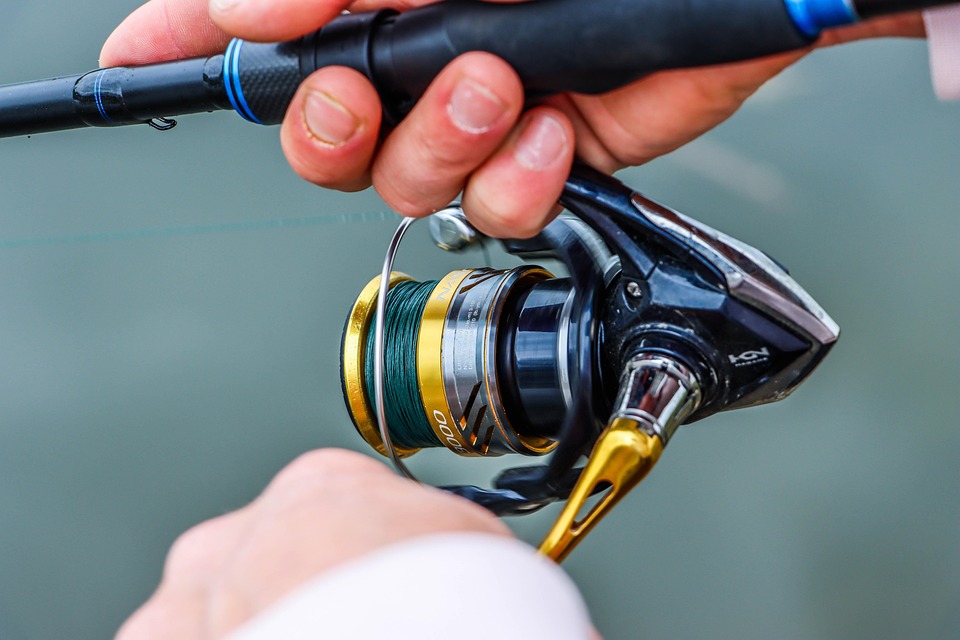
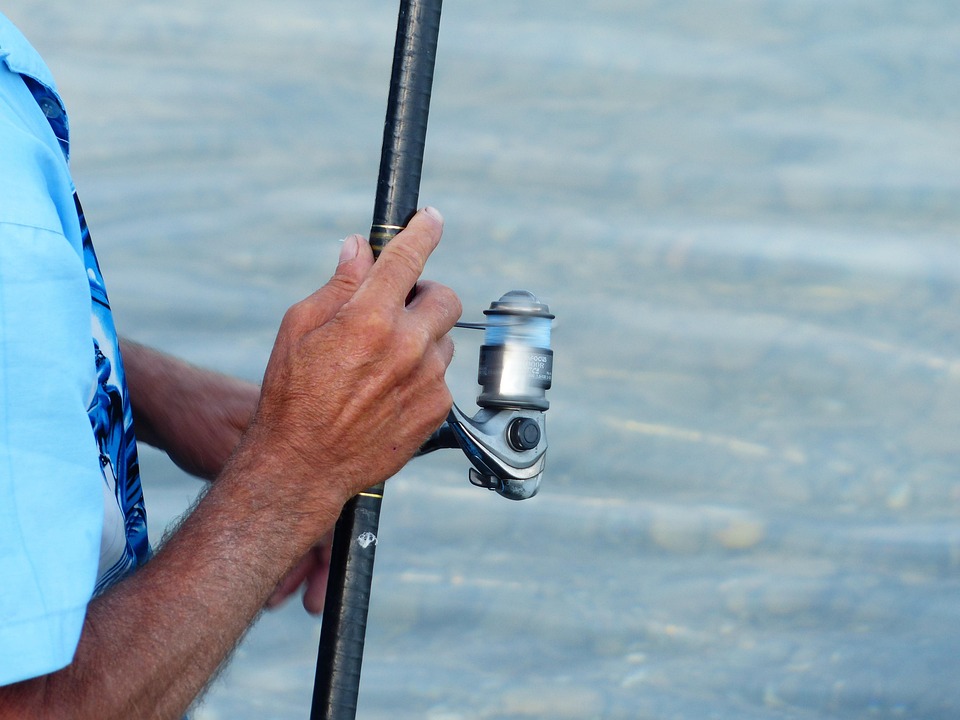
Choosing the right rod and reel is paramount. A medium to heavy-power rod with a fast action works well for targeting Largemouth bass. Pair it with a high-quality baitcasting reel that can handle heavy lines (12-20 lb test is recommended).
Line Selection
Monofilament, fluorocarbon, and braided lines each have their advantages. Fluorocarbon is almost invisible underwater, while braided lines offer excellent sensitivity and strength. Consider using a leader line, especially when fishing in clear waters.
Baits and Lures
When it comes to lures, versatility is the key. Here are a few types to consider:
- Topwater Lures: Ideal for morning and evening fishing, these lures create surface disturbances that spark interest.
- Crankbaits: Perfect for covering large areas quickly, crankbaits are a go-to for active fish.
- Soft Plastics: Use them for a more subtle approach; worms and lizards can be effective near cover.
- Spinnerbaits: Great for fishing in murky water, their flash and vibration help attract bass.
Techniques for Success
Casting and Retrieving
The technique you use often determines your success rate. Practice a smooth casting motion that allows for accurate placement near structure. Vary your retrieval speed and pattern until you find what works best for the day.
Fishing During Seasonal Changes
Understanding the seasons can be the difference between landing a trophy bass and going home empty-handed. Here’s how the seasons affect Largemouth bass behavior:
- Spring: During spawning season, male bass will guard nests. This is an opportune time to target them.
- Summer: Focus on deeper water and early or late fishing hours when temperatures are cooler.
- Fall: As water cools, bass will move to shallower areas to feed—perfect for surface lures.
- Winter: Look for bass in deeper waters and use slower presentations.
The Thrill of Catching Trophy Bass
Landing a trophy bass is a combination of skill, technique, and a bit of luck. The excitement when a large Largemouth bass strikes is unmatched. Make sure to take care while reeling your catch in, using smooth, steady pressure to avoid breaking your line. Once landed, having a proper catch-and-release technique is essential to ensure the sustainability of this majestic species. Always wet your hands before touching the fish to protect their slime coating and use hook removers to minimize damage.
Record-Setting Largemouth Bass
The current world record for Largemouth bass was set in 1932 when George Perry caught a stunning 22 pounds, 4 ounces fish in Montgomery Lake, Georgia. Since then, countless anglers have aimed to either beat or share in the glory of catching one of these magnificent creatures. State records abound, with the potential for countless local legends to surface.
Conclusion
Catching trophy Largemouth bass is a rewarding challenge that combines knowledge, skill, and respect for nature. By understanding their behavior, utilizing the right tools, and employing effective techniques, you can enhance your fishing experience. Remember, patience and persistence are key. As you embark on your journey in search of Largemouth legends, keep the spirit of fishing alive—cherish every moment on the water, and take part in protecting this beloved species for generations to come.
FAQs
What is the best time of year to catch Largemouth bass?
The best time to catch Largemouth bass is typically in the spring and fall when they are more active and feeding aggressively.
What is the minimum size to qualify as a trophy bass?
While definitions for “trophy” vary, most anglers consider Largemouth bass over 8 pounds as trophy-worthy. Some may use length, noting fish over 24 inches as significant.
Are there legal limits on catching Largemouth bass?
Yes, most states have regulations regarding size and bag limits for Largemouth bass, so it is vital to check local fishing regulations before heading out.
Do Largemouth bass prefer certain types of lures?
Yes, bass can be picky; however, they generally respond well to a variety of topwater, crankbaits, and soft plastics. Adjust your lure type based on water conditions and clarity.
What is the best way to release a caught Largemouth bass?
To properly release a Largemouth bass, always wet your hands first, gently remove the hook with pliers, and return the fish to the water quickly so it can recover adequately.
- advanced bass fishing
- bass angling
- bass fishing
- bass fishing baits
- bass fishing destinations
- bass fishing for beginners
- bass fishing guides
- bass fishing lakes
- bass fishing lures
- bass fishing patterns
- bass fishing reels
- bass fishing rigs
- bass fishing rods
- bass fishing seasons
- bass fishing tactics
- bass fishing techniques
- bass fishing tips
- crankbait bass fishing
- deep water bass fishing
- jig bass fishing
- largemouth bass fishing
- reservoir bass fishing
- river bass fishing
- shallow water bass fishing
- smallmouth bass fishing
- soft plastic bass fishing
- spinnerbait bass fishing
- spotted bass fishing
- topwater bass fishing
- tournament bass fishing














Leave a comment