
















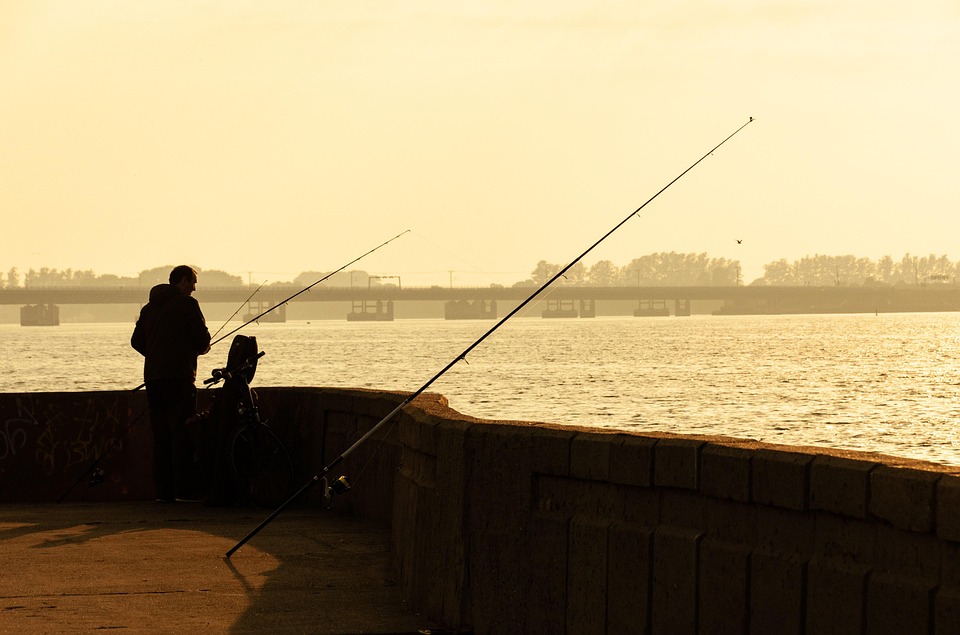
Fishing for catfish can be an exhilarating experience, embodying both the thrill of the catch and the artistry of bait selection. Renowned for their keen sense of smell, catfish are notorious for being attracted to strong odors, making the right bait essential. This article explores various baits, techniques, and tips to help you become a master at catfish fishing.
Understanding Catfish Behavior
Before we delve into the world of bait, it’s essential to understand catfish behavior. They are predominantly bottom feeders and have a well-developed sense of smell, which they use to locate food, especially in murky waters. Catfish can detect scents from nearly a mile away, making their diet largely influenced by the scents in their environment.
Anatomy of Catfish
Catfish possess whisker-like appendages called barbels that enhance their sensory perception. These barbels are critical in helping them navigate and forage, particularly at night when they are most active. Understanding this behavior can give anglers a competitive edge, especially when deciding what bait to use and when to fish.
The Perfect Bait for Catfish
Choosing the right bait for catfish is an art form in itself. While preferences may vary by region and specific species of catfish, there are several types of bait that consistently prove successful.
1. Stink Bait
True to its name, stink bait is often a preferred choice by catfish anglers. It is specifically designed to emit a pungent aroma that catfish can’t resist. You can purchase commercial stink baits or make your own using ingredients like:
- Chicken liver
- Sour milk
- Cheese
- Fish guts
When preparing stink bait, the goal is to create a mixture that will spoil slightly, amplifying its smell without becoming inedible.
2. Cut Bait
Cut bait, often made from fish like shad or bluegill, provides a strong scent trail in the water. Fresh cut bait is more appealing, but it is crucial to ensure the cut pieces are of appropriate size; generally, 1-2 inches works well. This bait also tends to attract larger catfish and should be placed on the hook securely to withstand the antics of eager fish.
3. Live Bait
For anglers who prefer a more natural approach, live bait is a superb option. Small live fish such as minnows, shad, or worms can be irresistible to catfish. The movement of live bait in the water adds an element of attraction that’s hard to replicate with dead bait. Remember to check local regulations regarding the use of live bait in your fishing area.
4. Dough Bait
Dough bait is another popular choice, especially for those who want something easy to make at home. A basic recipe might include:
- Plain flour
- Cornmeal
- Chicken liver juice
- Garlic powder
Mix these ingredients, form them into balls or nuggets, and allow them to dry slightly before use. The smell and texture will appeal greatly to catfish.
Techniques for Baiting Your Hook
Having the right bait is only part of the equation; how you present that bait can significantly influence your success rate. Here are some specialized techniques for effectively using different types of bait:
Tip 1: Use the Right Hook Size
Matching the hook size to your bait is crucial. For larger gobs of cut bait, use a larger hook (size 3/0 to 8/0), while smaller baits may require a smaller hook (size 1 to 4). Ensuring proper hook size increases your chances of a solid hookset.
Tip 2: Utilize a Bait Holder Rig
For cut bait, using a bait holder hook can help secure the bait better. These hooks have tiny barbs along the shank to keep the bait in place, preventing it from spinning and scattering in the current.
Tip 3: Rod and Reel Setup
Your rig should be strong enough to handle a large catfish. A medium to heavy fishing rod and a reel capable of holding at least 150 yards of 30-65 lb test line are ideal. Pair this with a sinker to keep your bait on the bottom where catfish are likely to be feeding.
Timing and Location: The Fisherman’s Advantage
Timing plays a vital role in catfish fishing success. Catfish tend to feed more actively during overcast days, evenings, and at night. Moreover, certain locations are more likely to hold catfish:
- Deep holes in rivers or lakes
- Areas near log jams or submerged structures
- Points where tributaries feed into a larger body of water
Areas with active baitfish populations can also bring hungry catfish in search of a meal, increasing your chances of a successful catch.
Respecting Nature
While mastering the art of catfish fishing, it’s imperative to prioritize conservation and respect for the ecosystem. Always follow local fishing regulations and practice catch and release when appropriate, especially with trophy-sized catfish. This helps sustain fish populations for future generations of anglers.
Conclusion
Mastering the art of catfish fishing involves understanding both the behavior of the fish and the science of bait selection. Whether you opt for stink bait, cut bait, or live bait, the right choice coupled with effective fishing techniques can lead to fruitful days on the water. By applying these strategies and maintaining a respect for our natural resources, you’ll enhance your fishing experience and contribute positively to the fishing community. So grab your gear, choose your bait wisely, and head out to explore the waters where these crafty prey await!
FAQs
What’s the best time of year to fish for catfish?
The best time to fish for catfish is during late spring and early summer when water temperatures rise, as catfish are more active during this period. However, they can be caught year-round, especially during warmer weather.
How do I store catfish bait?
Most catfish baits, like stink bait and dough bait, can be stored in airtight containers in a refrigerator to maintain freshness. Live bait should be kept in aerated containers and provided with proper care to ensure their vitality.
How can I improve my chances of catching bigger catfish?
To catch larger catfish, consider using larger baits and fishing in deeper waters where bigger fish often reside. Paying attention to seasonal patterns and focusing on areas with substantial structure can also help.
Should I use circle hooks for catfishing?
Yes, circle hooks are highly recommended for catfishing as they can increase hook-up rates and minimize harm to the fish. They allow for a more natural bait presentation and decrease deep hooking.
Can I combine different baits?
Yes, many anglers use a combination of baits, such as pairing live bait with stink bait. Experimenting with different combinations can sometimes yield better results depending on the conditions and catfish feeding patterns.
- advanced catfish fishing
- blue catfish fishing
- catfish angling
- catfish bait
- catfish fishing
- catfish fishing for beginners
- catfish fishing gear
- catfish fishing guides
- catfish fishing reels
- catfish fishing rods
- catfish fishing seasons
- catfish fishing spots
- catfish fishing tactics
- catfish fishing techniques
- catfish fishing tips
- catfish hooks
- catfish rigs
- catfish species
- channel catfish fishing
- cut bait catfish fishing
- deep water catfish fishing
- flathead catfish fishing
- lake catfish fishing
- live bait catfish fishing
- monster catfish fishing
- night catfish fishing
- river catfish fishing
- shallow water catfish fishing
- stink bait catfish fishing
- trophy catfish fishing














Leave a comment