








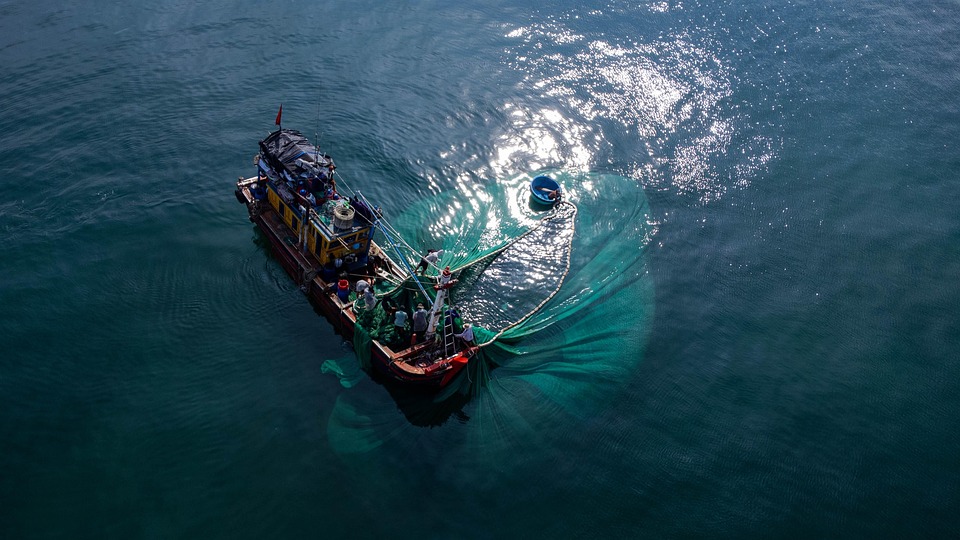
Carp fishing has long been a beloved pursuit for anglers across the globe. What once started as a way to catch food has evolved into a popular sport, drawing in enthusiasts eager to master the art of catching the elusive carps. Among the various bait options available, carp boilies have risen to prominence as one of the most effective and versatile baits for this noble fish. In this guide, we delve into everything you need to know about boilies, from their composition to tips for maximizing their effectiveness.
What Are Carp Boilies?
At their core, carp boilies are round fishing baits made from a blend of ingredients that provide both nutrition and attraction to fish. The process of making boilies involves cooking a mixture of ingredients, which causes them to harden and form rounded shapes. These boilies are not just appealing to carp; they also offer significant nutritional advantages, making them an excellent choice for long sessions on the water.
The Science Behind Carp Boilies
Understanding the science behind carp boilies can greatly enhance your fishing experience. Here’s a breakdown of the critical components that make these baits highly effective:
- Base Mix: This is the foundation of your boilie and typically consists of a blend of protein meal, flours, and carbohydrates. Ingredients like fish meal, chicken meal, or soy protein are often included for their high nutritional value.
- Additives: For enhanced attraction, various additives such as flavors, sweeteners, and colorings are added. This boost in sensory appeal is crucial for drawing in carp from a distance.
- Binders: Ingredients like egg albumen or liquid egg serve as binders, holding all other components together during the boiling process.
- Attractants: These can include natural ingredients such as garlic, anise, or shrimp which help to create a distinct smell and flavor profile that can entice carp to bite.
Types of Carp Boilies
Different types of boilies cater to varying fishing conditions and specific carp behaviors. Here’s a glance at some popular types:
- Fishmeal Boilies: High in protein and designed to appeal to larger carp, these are made primarily from fish meals. They’re ideal for cold waters.
- Bird Food Boilies: Often lighter in composition, these boilies utilize ingredients like birdseed to cater to spawners and carp in warmer waters.
- Sweet Boilies: Enhanced with sweeteners, these boilies attract fish with their sugary appeal. They’re particularly effective in the warmer months.
- Nut-Based Boilies: Made from ground nuts, these boilies offer a unique texture and flavor that can appeal to wary carp.
How to Make Your Own Carp Boilies
Creating your own carp boilies can be rewarding and allows you to customize them for specific waters. Here’s a basic recipe to get you started:
Ingredients:
- 500g base mix (fish meal, bird food, etc.)
- 200g semolina or cornmeal
- 3 eggs (or egg albumen)
- 50ml liquid flavoring (such as strawberry or garlic)
- Optional: 50g of sweetener
Instructions:
- Combine the base mix and semolina in a large bowl.
- Beat the eggs and add them to the dry mix along with the liquid flavoring.
- Knead the mixture until it forms a dough.
- Roll the dough into small balls, approximately 15mm in diameter.
- Boil the balls in salted water for about 2-3 minutes until they float to the surface.
- Dry them out in a cool, dark place for 24-48 hours for the best results.
Best Practices for Using Carp Boilies
Maximizing the effectiveness of your carp boilies requires attention to detail and knowledge of various fishing strategies. Here’s how you can up your carp fishing game:
1. Choose the Right Spot
Location matters. Look for spots known for carp activity, such as near vegetation, drop-offs, or underwater structures. Conducting pre-fishing scouting can help identify prime locations.
2. Timing is Key
Certain times of the day can yield better results. Early mornings and late afternoons are often the most productive times for carp fishing.
3. Prepare and Feed
Before you start fishing, consider baiting your chosen area with a handful of boilies. This pre-baiting technique can attract carp and encourage them to stay around the baited area.
4. Use a PVA Bag
PVA bags allow for a highly concentrated amount of bait to be presented where you want it most, creating a more attractive environment for carp.
5. Experimenting with Flavors and Colors
Carps can be choosy. Don’t hesitate to try different flavors and colors of boilies until you find the combination that works best for your fishing location and season.
The Importance of Seasonality
Seasonality plays a critical role in the effectiveness of carp boilies. Here’s a rundown of what you should know:
- Spring: As carp become more active, sweet and fruity boilies can be particularly effective.
- Summer: Low-viscosity, lighter boilies are preferred as fish feed more aggressively.
- Fall: Fishmeal-based and nut-based boilies can be fruitful as carp prepare for winter.
- Winter: Focus on heavier, protein-rich boilies, as carp become lethargic.
Conclusion
Mastering the use of carp boilies can drastically improve your chances of hooking that trophy carp you’ve always dreamt of. With a combination of the right ingredients, strategic location choices, and an understanding of seasonal patterns, you’re well on your way to success. Remember, fishing is not just about the catch; it’s about enjoying the experience and connecting with nature. So equip yourself with knowledge, be patient, and enjoy the adventure that is carp fishing.
FAQs
1. How long do homemade boilies last?
Homemade boilies can last about 2-3 days in a cool, dry place. If frozen, they can last several months.
2. Can I use boilies for other types of fish?
Yes, boilies can be effective for various species, but they are primarily designed for carp.
3. Are there specific brands of boilies you recommend?
Quality brands include Mainline, Nutrabaits, and Sticky Baits. However, personal preference and fishing conditions always come into play.
4. What is the best size of boilies to use?
A standard size of 15mm is often effective, but experimenting with sizes between 10mm to 20mm based on conditions can yield better results.
5. Should I boil my boilies for longer for better durability?
Boiling them too long can make them too hard and less attractive. Stick to the recommended boiling time for optimal results.
- big carp fishing
- carp angling
- carp boilies
- carp feeder fishing
- carp fishing
- carp fishing bait
- carp fishing destinations
- carp fishing gear
- carp fishing guides
- carp fishing holidays
- carp fishing lakes
- carp fishing methods
- carp fishing reels
- carp fishing rigs
- carp fishing rods
- carp fishing techniques
- carp fishing tips
- carp groundbait
- carp hair rig
- carp pellets
- European carp fishing
- France carp fishing
- margin carp fishing
- method feeder carp fishing
- monster carp fishing
- river carp fishing
- Spain carp fishing
- stalking carp
- trophy carp fishing
- UK carp fishing








Leave a comment