










For many anglers, the thrill of fishing comes not just from the act itself, but from the excitement of pursuing predator fish. Whether it’s the speed of a pike slicing through the water or the fierce strike of a bass, fishing for these formidable creatures offers both challenge and reward. If you’re new to this exhilarating sport, you’ve come to the right place. This beginner’s guide will walk you through what you need to know to get hooked on predator fishing.
Understanding Predator Fish
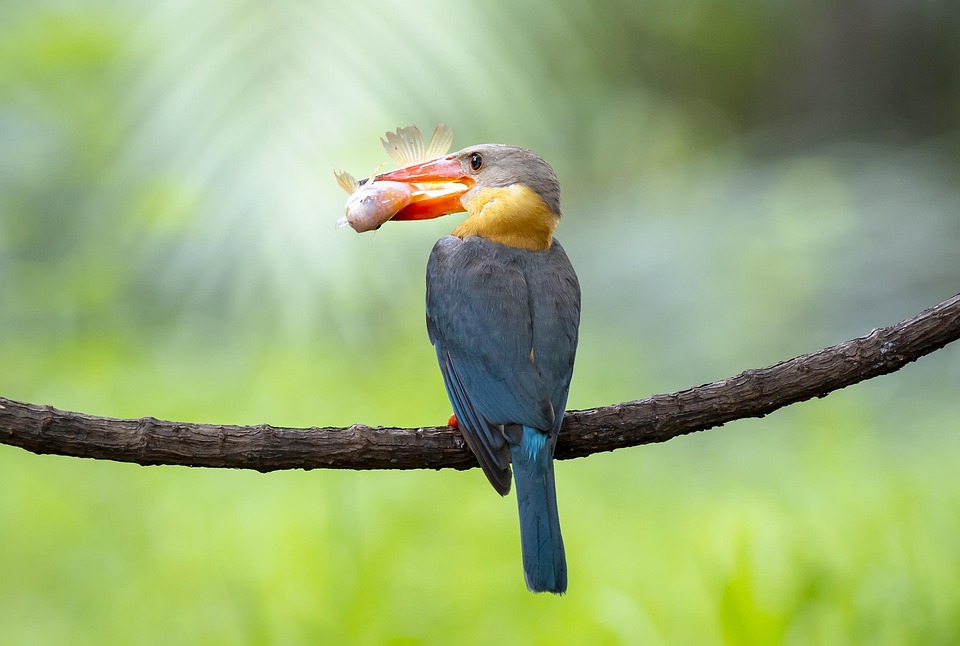
Predator fish are species that feed primarily on other fish or aquatic organisms. They possess unique physical characteristics and behaviors that make them effective hunters. Popular predator fish include:
- Pike: Known for their long, streamlined bodies and sharp teeth, pike are prevalent in freshwater lakes and rivers.
- Bass: With various species like largemouth and smallmouth, bass are sought after for their fighting ability and willing bite.
- Walleye: Recognized for their sharp dorsal fins and nocturnal feeding habits, they are a favorite among many anglers.
- Catfish: Often lurking at the bottom of rivers and lakes, they are known for their size and tenacity.
- Trout: While not traditionally viewed as predator fish, larger species like the brown trout often feed on smaller fish.
The Gear You’ll Need
To embark on your predator fishing journey, having the right gear is essential. Here are some basics to get you started:
1. Rod and Reel
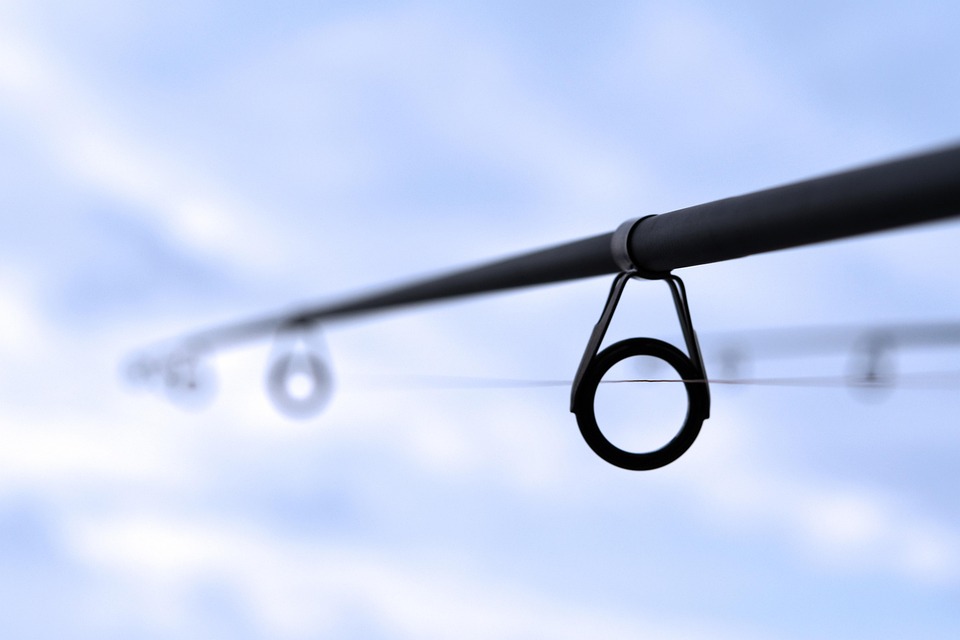
Your choice of rod and reel is crucial. A medium to heavy action spinning or baitcasting rod is typically ideal for predator fishing. Look for a reel that can handle heavier lines, as many predator species can fight hard.
2. Fishing Line
For predator fish, consider using braided line which is strong, sensitive, and offers better casting distance. A line with a test strength of 20-50 pounds is usually optimal.
3. Lures and Baits
Predator fish are attracted to various types of lures and baits. Some effective options include:
- Plastics: Soft plastic swimbaits and jerkbaits are popular for bass and pike.
- Crankbaits: Ideal for mimicking smaller fish, crankbaits are versatile for targeting different species.
- Spinnerbaits: These lures create vibrations and flash in the water, perfect for enticing predatory strikes.
- Live Bait: Minows, shad, and worms can be effective in attracting larger predator fish.
4. Tackle and Accessories
Don’t forget your tackle box, which should include hooks, sinkers, swivels, and pliers. A fish finder can also be a helpful tool for locating predators underwater.
Understanding the Habitat
Knowing where to find predator fish is as important as having the right gear. Here are some popular habitats:
1. Lakes and Ponds
Look for shallow areas, structure like rocks, and submerged vegetation where fish can hide.
2. Rivers and Streams
Predatory fish often congregate in deeper holes and near current breaks where they can ambush prey.
3. Brackish Areas
Coastal estuaries and river deltas are excellent habitats for predator species such as striped bass and tarpon.
Best Times to Fish
Timing your fishing trip can greatly increase your success. Generally, early morning and late afternoon are the most productive times as predator fish are more active during these periods. Seasonal changes also affect fishing conditions:
- Spring: As temperatures rise, predator fish become more active and can be found in shallower waters.
- Summer: Fish tend to move deeper during the heat of the day, so targeting early morning or late evening is key.
- Fall: Many predator fish feed aggressively as they prepare for winter, making this an excellent time to fish.
- Winter: Ice fishing is popular for pike, perch, and walleye. Look for deep holes and structure under the ice.
Techniques for Success
Understanding fishing techniques can make a significant difference. Here are some popular methods for predator fishing:
1. Casting
This involves casting your lure or bait and retrieving it at varied speeds. Experiment with pauses and twitches to mimic prey behavior.
2. Trolling
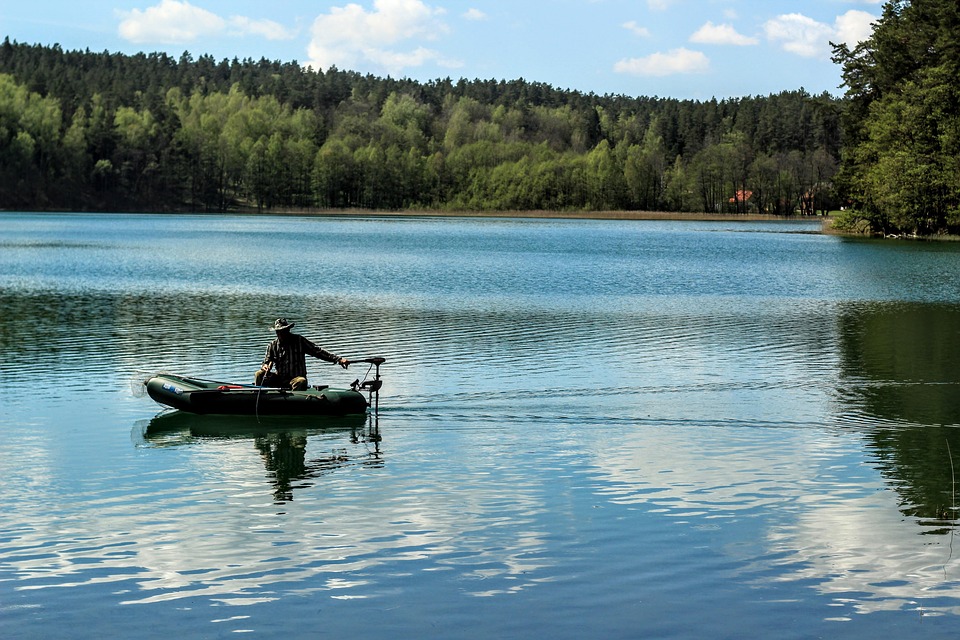
Use a boat to drag lures at different depths and speeds. Trolling can cover larger areas and is effective in locating active fish.
3. Drift Fishing
Anchoring your boat and letting your bait drift with the current can be an excellent way to present your bait naturally to lurking predators.
Conclusion
Predator fishing combines excitement with technique, making it a rewarding endeavor for newcomers and experienced anglers alike. As you gather your gear, learn the habitats, and refine your techniques, you’ll find yourself not only catching fish but also enjoying the serenity of the great outdoors. Remember that patience and practice are key elements to success. Before long, you’ll be hooked on adventure, ready to share your tales with fellow anglers and perhaps even inspire the next generation of fishers.
FAQs
1. What is the best time of year to fish for predator species?
Spring and fall are typically the best seasons for targeting predator species as fish are more active and feeding aggressively during these times.
2. Do I need a fishing license to fish for predator species?
Yes, a fishing license is required in most regions. Always check local regulations before heading out.
3. What is the best bait for bass fishing?
Soft plastics, crankbaits, and spinnerbaits are all effective for bass. Live bait such as shad and worms can also yield good results.
4. Can I fish for predator species from the shore?
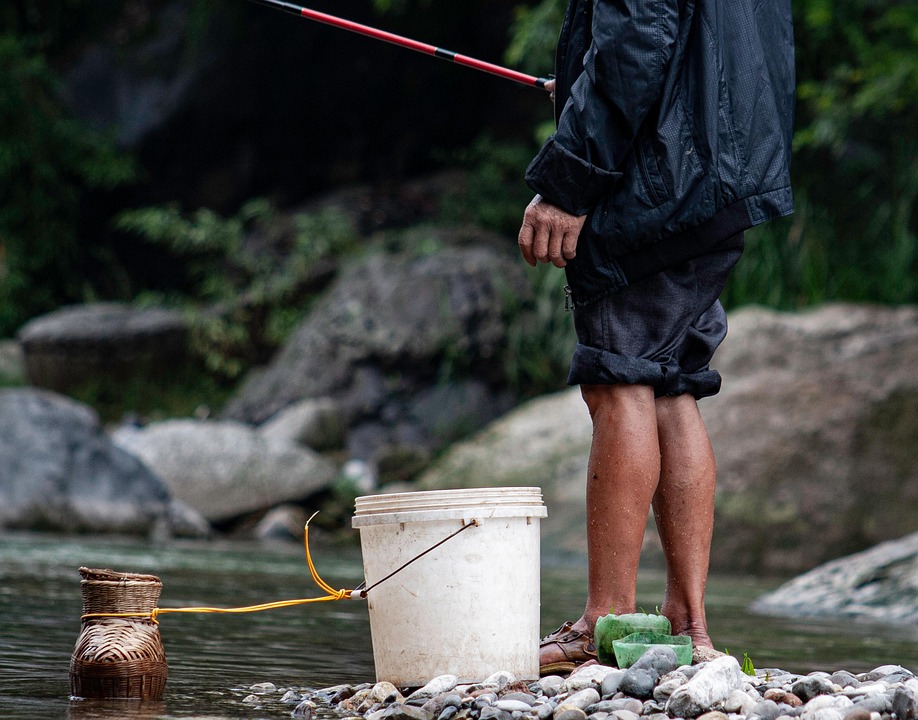
Absolutely! Many predator fish can be caught from the shore, especially in lakes and rivers. Focus on structure and feeding areas close to the bank.
5. What safety precautions should I take while fishing?
Always wear a life jacket if you’re on a boat, stay hydrated, and if fishing in remote areas, ensure someone knows your location and expected return time.
- advanced predator fishing
- aggressive fish fishing
- barracuda fishing
- barracuda lure fishing
- freshwater predator fishing
- large predator fishing
- muskie fishing
- muskie lure fishing
- pike fishing
- pike lure fishing
- predator angling
- predator fishing
- predator fishing baits
- predator fishing destinations
- predator fishing for beginners
- predator fishing gear
- predator fishing guides
- predator fishing lures
- predator fishing reels
- predator fishing rigs
- predator fishing rods
- predator fishing seasons
- predator fishing spots
- predator fishing tactics
- predator fishing techniques
- predator fishing tips
- predatory fish fishing
- saltwater predator fishing
- zander fishing
- zander jigging









Leave a comment