











For many anglers, few experiences can rival the exhilarating thrill of battling a barracuda. Known for their striking appearance and ferocious nature, these fish are often the stars of saltwater fishing adventures. Whether you’re a seasoned angler or a novice looking to try your hand at barracuda fishing, mastering the techniques involved in catching these impressive predators can lead to unforgettable memories and stories worth sharing.
Understanding Barracuda
The barracuda, a member of the Sphyraenidae family, is renowned for its elongated body and razor-sharp teeth. Found in tropical and subtropical oceans worldwide, these fish are characterized by their silver skin and distinctive lateral line, which aids in detecting prey. While they can grow up to six feet in length, most caught by recreational fishers typically range from 3 to 5 feet.
Species Varieties
While fishing enthusiasts often refer to “barracuda” in general terms, it’s essential to note the variety of species available. The most common species include:
- Great Barracuda (Sphyraena barracuda): The largest and most formidable species, often found in deeper waters.
- Yellowtail Barracuda (Sphyraena ostentatio): Smaller and commonly caught near reefs.
- Pickhandle Barracuda (Sphyraena jello): Recognizable by its unique markings, this species is abundant in shallow waters.
The Barracuda’s Habitat
Barracuda typically inhabit warm coastal areas, favoring locations rich in coral reefs and seagrass beds. They can often be found lurking near underwater structures where they can ambush unsuspecting prey. Understanding the barracuda’s environment is crucial for successful fishing expeditions.
Best Locations for Barracuda Fishing
Some of the best locations for targeting barracuda include:
- Coral Reefs: These structures provide ample hiding spots for barracuda to ambush prey.
- Estuaries: The nutrient-rich waters attract a variety of baitfish, providing an ideal hunting ground.
- Wrecks: Sunken boats or structures often serve as artificial reefs, drawing barracuda and other gamefish.
Essential Gear and Equipment
Equipping yourself with the right tools is fundamental to mastering barracuda fishing. Here’s what you’ll need:
Rods and Reels
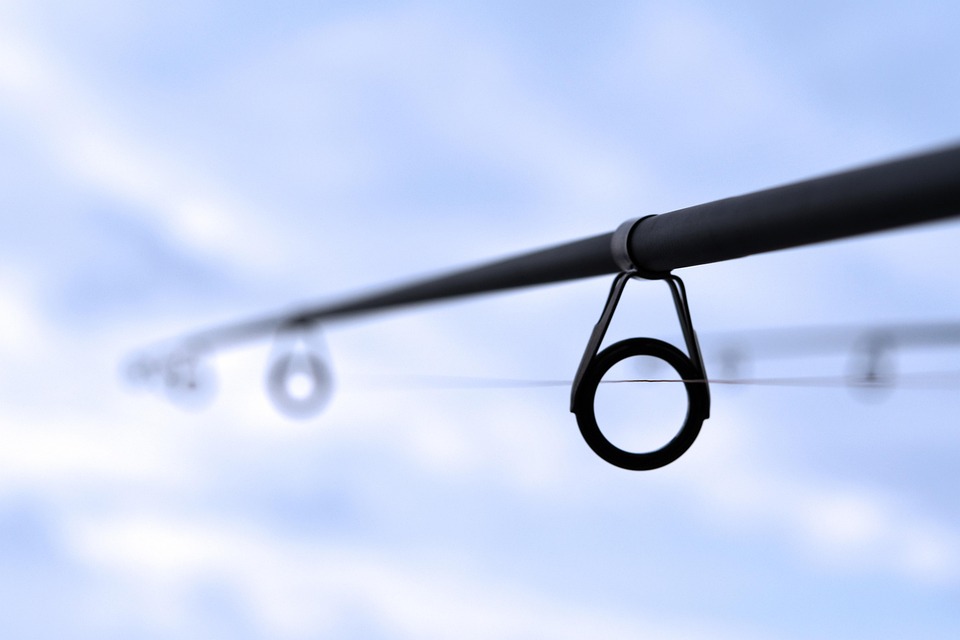
A medium to heavy spinning or baitcasting rod, paired with a durable reel, is recommended for barracuda fishing. A drag system that can withstand sudden, powerful runs is essential.
Lines and Leaders
Using a braided line of 30-50 lb test is advisable due to barracuda’s sharp teeth. Additionally, a wire leader or fluorocarbon leader (at least 80 lb test) is essential to prevent breakage during the fight.
Baits and Lures
Barracuda are opportunistic feeders, making them susceptible to various bait options. Here are popular choices:
- Live Bait: Small fish such as mackerel, herring, or ballyhoo are exceptionally effective.
- Artificial Lures: Jigs, spoons, and surface poppers can trigger barracuda’s predatory instincts. Bright colors tend to attract their attention.
Fishing Techniques for Barracuda
Mastering the following techniques can significantly improve your chances of landing a barracuda:
Topwater Fishing
Using topwater lures can produce some of the most exhilarating strikes. When employing this technique, use fast retrieves to mimic fleeing prey. The explosive strikes from barracuda striking at surface lures provide high-adrenaline moments.
Bottom Fishing
For anglers preferring deeper waters, bottom fishing with live bait or heavy jigs can be effective. This technique allows you to target barracuda lurking near the seabed, particularly near underwater structures.
Drifting Techniques
Drifting with live bait can be effective in catching barracuda. Ensure the bait is at different depths, as barracuda may be located near the surface or further down.
Tips for a Successful Catch
Here are some additional tips to help ensure a successful barracuda fishing trip:
- Time Your Trip: Early morning or late afternoon often yields better results when barracuda are most active.
- Stay Patient: Barracuda can be wary, and it may take time to catch their interest.
- Be Mindful of Weather Conditions: Changes in weather can affect fish behavior. Always check forecasts before heading out.
Handling and Safety Precautions
As exhilarating as catching barracuda can be, it’s crucial to handle them with care. With their sharp teeth and aggressive nature, barracuda can pose risks, especially when unhooking. Use pliers and gloves when handling them, and always watch for sudden movements. Additionally, be mindful of their size as they can thrash and cause injury.
Conclusion
Mastering the techniques of barracuda fishing opens up a thrilling chapter in any angler’s adventures. With the right knowledge of their habitat, behavior, and effective fishing tactics, you can elevate your fishing game to new heights. Each catch can be a unique experience, imparting not just a sense of achievement but a deeper connection to the natural world. So gather your gear, study these techniques, and set sail for your next great adventure on the water!
FAQs
1. What is the best time of year for barracuda fishing?
The best time for barracuda fishing is typically during warmer months when water temperatures rise and baitfish are more abundant.
2. Are barracuda safe to eat?
Yes, barracuda are edible; however, caution should be exercised due to their potential to carry ciguatera toxin, which can cause food poisoning. It’s best to check local advisories before consuming.
3. What are the regulations surrounding barracuda fishing?
Regulations vary by region. Always check local fishing regulations to ensure compliance with size limits, catch restrictions, and licensing requirements.
4. Can I catch barracuda from shore?
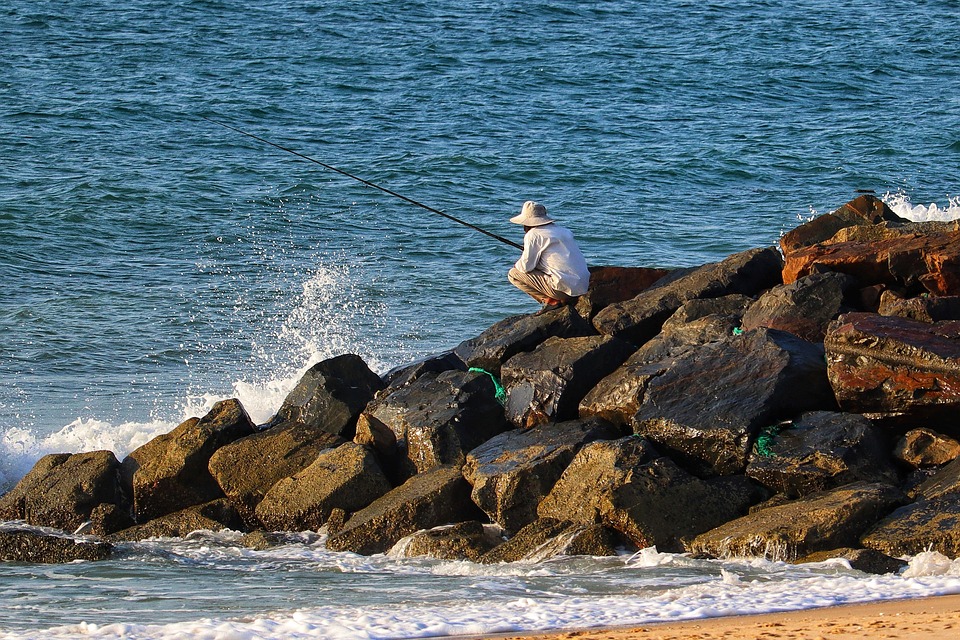
Yes, barracuda can be caught from shore, particularly near rocky outcrops and beaches where baitfish gather. However, better chances are often found from boats in deeper waters.
5. What is the average size of barracuda caught by anglers?
Most barracuda caught by anglers range from 3 to 5 feet in length, although larger specimens do exist.
- advanced predator fishing
- aggressive fish fishing
- barracuda fishing
- barracuda lure fishing
- freshwater predator fishing
- large predator fishing
- muskie fishing
- muskie lure fishing
- pike fishing
- pike lure fishing
- predator angling
- predator fishing
- predator fishing baits
- predator fishing destinations
- predator fishing for beginners
- predator fishing gear
- predator fishing guides
- predator fishing lures
- predator fishing reels
- predator fishing rigs
- predator fishing rods
- predator fishing seasons
- predator fishing spots
- predator fishing tactics
- predator fishing techniques
- predator fishing tips
- predatory fish fishing
- saltwater predator fishing
- zander fishing
- zander jigging









Leave a comment