


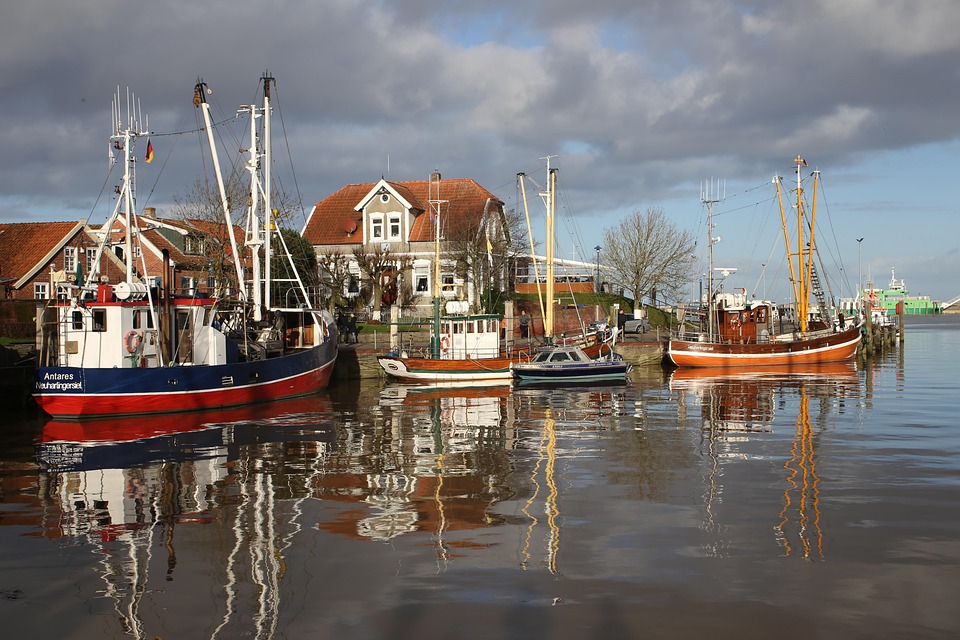






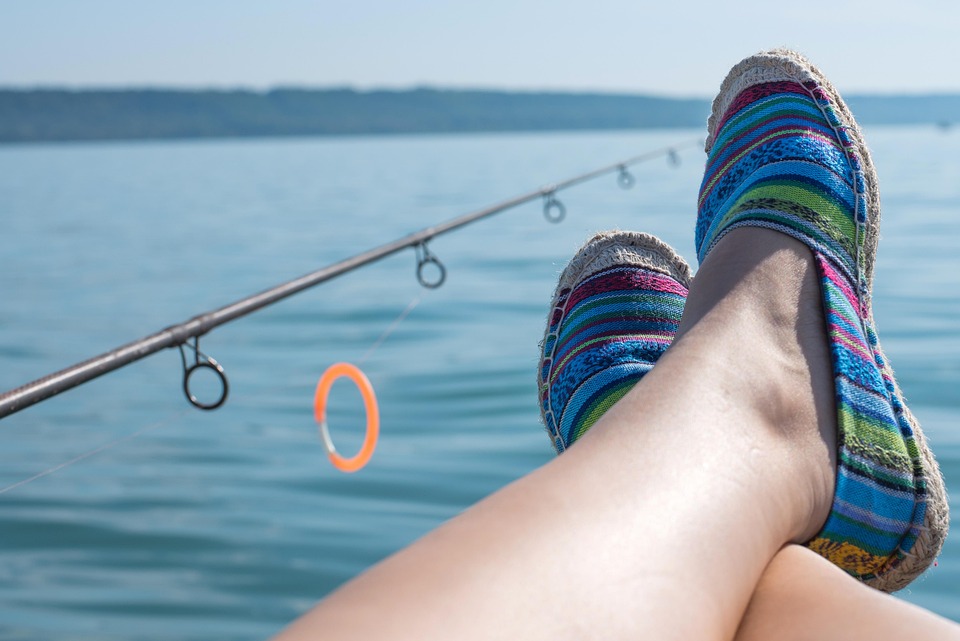


Fishing is more than a pastime; it’s an experience that blends patience, skill, and connection with nature. For new anglers, getting started can feel overwhelming, but with the right techniques and knowledge, you can enhance your fishing adventures and increase your chances of a successful catch. This article highlights essential tips and techniques for novice anglers looking to reel in the fun.
The Essentials of Fishing Gear
Before setting off on your fishing journey, it is crucial to equip yourself with the right gear. Here’s a breakdown of the essentials:
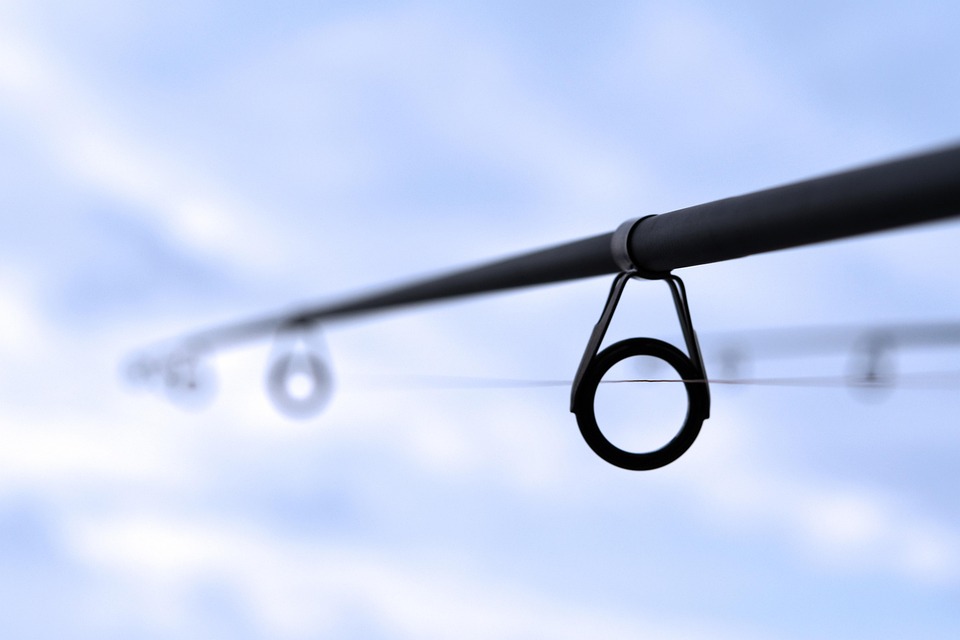
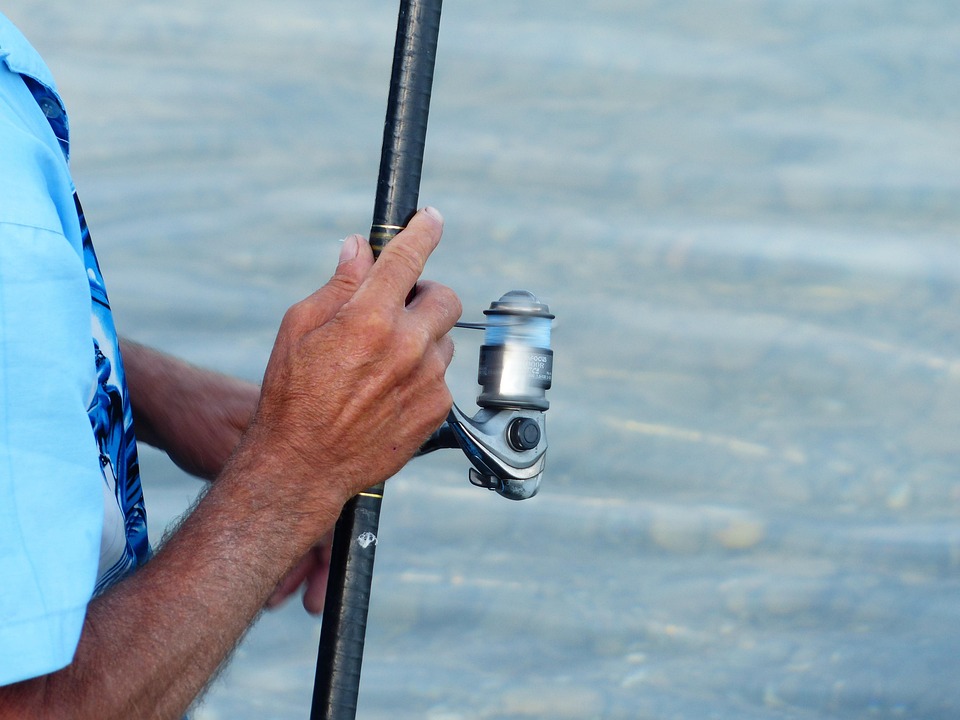
- Rod and Reel: Choose a combination suited for your target fish species. Spinning reels are user-friendly for beginners, while baitcasting reels offer more control for experienced anglers.
- Fishing Line: Monofilament line is a good choice for beginners due to its flexibility and ease of use. Fluorocarbon is nearly invisible underwater, while braided line offers superior strength.
- Hooks: Familiarize yourself with various hooks; for instance, offset hooks are great for soft plastic baits, while circle hooks are excellent for catch-and-release fishing.
- Bait and Lures: Live bait, such as worms or minnows, is effective and simple for beginners. Lures can offer a more engaging experience, with options varying widely in color, size, and action.
- Safety Gear: Always wear a life jacket when fishing from a boat and bring sunscreen, insect repellent, and a first-aid kit.
Understanding Fishing Locations
Finding the right location can be a game-changer in your fishing experience. Here are some tips to locate the best fishing spots:
- Research Local Water Bodies: Check out lakes, rivers, ponds, and coastal areas in your vicinity. Local fishing guides, forums, and even social media groups can provide valuable information.
- Look for Structures: Fish often gather near structures like rocks, fallen trees, or weeds. These locations provide cover and food, making them prime spots for fishing.
- Observe Water Conditions: Murky water might signal low fish activity, while clear waters often indicate higher visibility, attracting different types of fish.
- Time of Day: Fish are more active during dawn and dusk. Plan your outings during these hours to improve your chances of landing a catch.
Mastering Basic Fishing Techniques
Whether you are casting your line for the first time or trying to improve your technique, mastering the basics is vital:
1. Casting
Proper casting technique maximizes your bait’s distance and accuracy. Practice the following steps:
- Hold the rod at a 45-degree angle with the line taut but not too tight.
- Press the button on your reel (if applicable) to release the line while smoothly swinging the rod back.
- Let the rod tip come forward, allowing the line to unfurl in the desired direction, then release the button to cast.
2. Retrieving
Retrieving your line correctly can entice fish. Experiment with various retrieval techniques:
- Slow Retrieving: Retrieve your line slowly with occasional pauses. This can mimic injured prey, triggering bites.
- Jerk Baits: Mimic the erratic movements of injured fish by giving your lure sharp, quick jerks while reeling in.
Patience and Observation
Fishing often requires patience and careful observation:
- Stay Quiet: Fish are sensitive to noise, so maintaining silence can improve your chances of a catch.
- Watch for Activity: Pay attention to jumping fish or ripples in the water, indicating fish feeding. Adjust your technique and bait accordingly.
Connect with Fellow Anglers
Joining local fishing clubs or online communities can provide invaluable support for new anglers. These groups often share:
- Tips and Techniques: Learn from the experience of others, getting recommendations on gear, bait, and local hot spots.
- Group Outings: Participate in group fishing trips to learn new skills and build lasting friendships.
Catch and Release
As a responsible angler, it is essential to practice catch and release methods:
- Use Barbless Hooks: These make removing the hook easier for both you and the fish.
- Handle Fish Carefully: Wet your hands before handling fish to protect their slime coating and minimize stress.
- Minimize Air Exposure: Keep the fish in water as much as possible and limit the time it’s out of the water for best survival rates.
Conclusion
Fishing is a rewarding and enjoyable activity that fosters patience, skill, and appreciation for nature. As a new angler, remember that practice is key—each trip to the water helps you refine your techniques and gain confidence. Embrace the learning process, respect the environment, and, most importantly, have fun! Whether you catch the big one or simply enjoy a day in nature, the memories made will last a lifetime.
FAQs
1. What is the best time of year to start fishing?
Spring and fall are generally considered the best times for fishing. The weather is milder, and fish are more active during these seasons.
2. Do I need a fishing license?
Yes, most places require a fishing license. Check local regulations to ensure compliance.
3. What fish should I target as a beginner?
Species such as bluegill, catfish, and trout are excellent for beginners due to their availability and willingness to bite.
4. How can I learn more about fishing techniques?
Consider taking a local fishing class, reading books, or watching instructional videos online to learn more about techniques and gear.
5. Is fishing expensive?
Fishing can be as affordable or as expensive as you make it. Start with basic gear and upgrade as you gain experience.
- beginner bass fishing
- beginner carp fishing
- beginner catfish fishing
- beginner fishing advice
- beginner fishing baits
- beginner fishing gear
- beginner fishing guides
- beginner fishing guides online
- beginner fishing knots
- beginner fishing lures
- beginner fishing mistakes
- beginner fishing reels
- beginner fishing rods
- beginner fishing strategies
- beginner fishing techniques
- beginner fishing tips
- beginner fishing trips
- beginner fishing tutorials
- beginner fishing videos
- beginner fly fishing
- beginner freshwater fishing
- beginner muskie fishing
- beginner panfish fishing
- beginner pike fishing
- beginner saltwater fishing
- beginner trout fishing
- fishing basics
- fishing for beginners
- how to fish
- new anglers tips









Leave a comment