








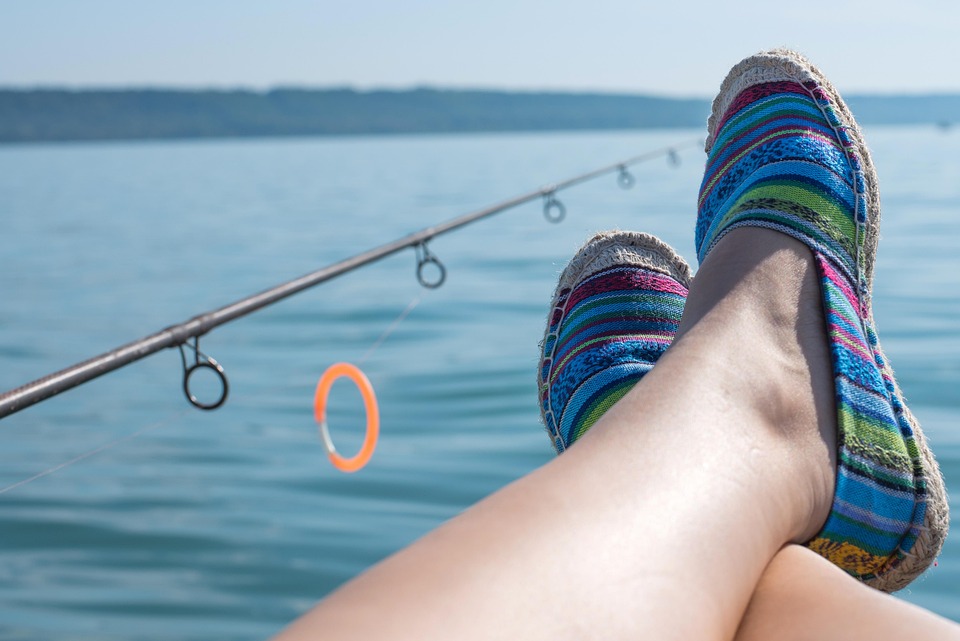

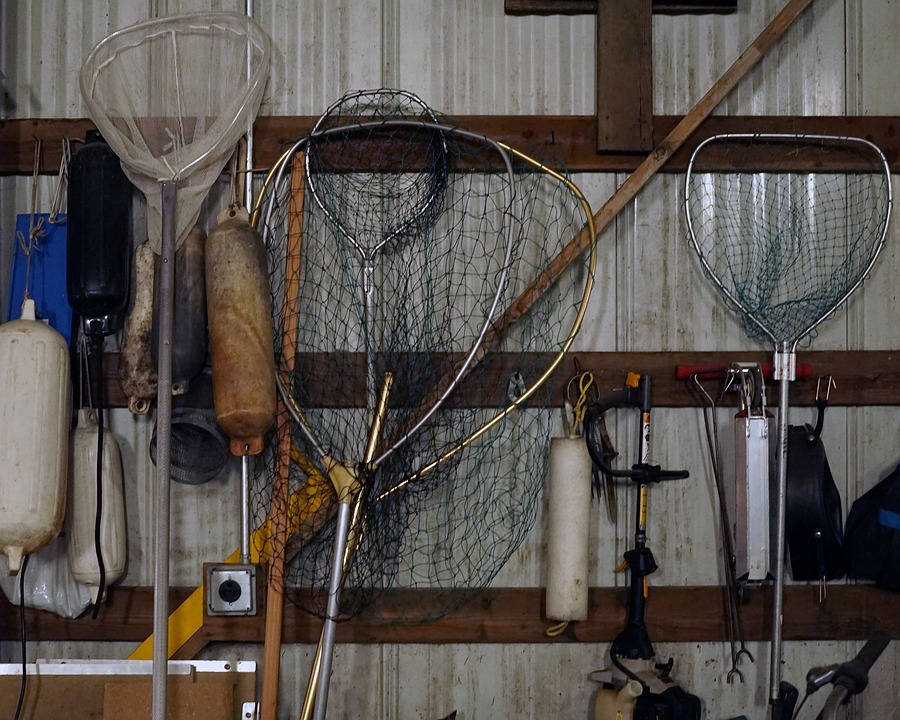
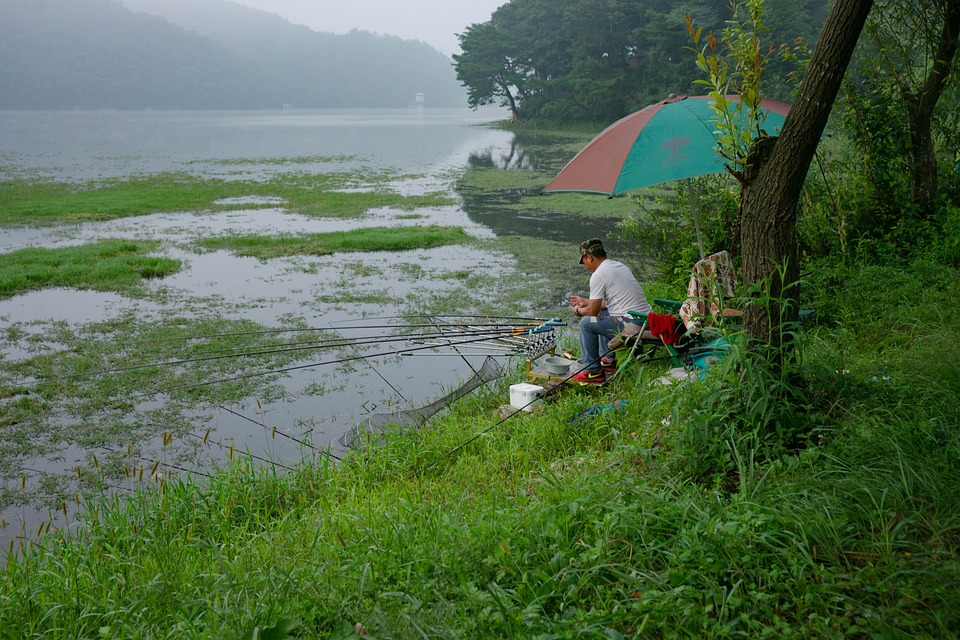
Imagine standing knee-deep in a serene lake, the sun rising behind the mist, casting golden rays across an untouched expanse of water. Suddenly, the stillness breaks—your line tightens, adrenaline surges through your veins, and within moments, you’re battling a large predator, one of nature’s most formidable creatures. This is the essence of large predator fishing, a pursuit that connects adrenaline junkies with nature’s raw power.
The Allure of Predator Fishing
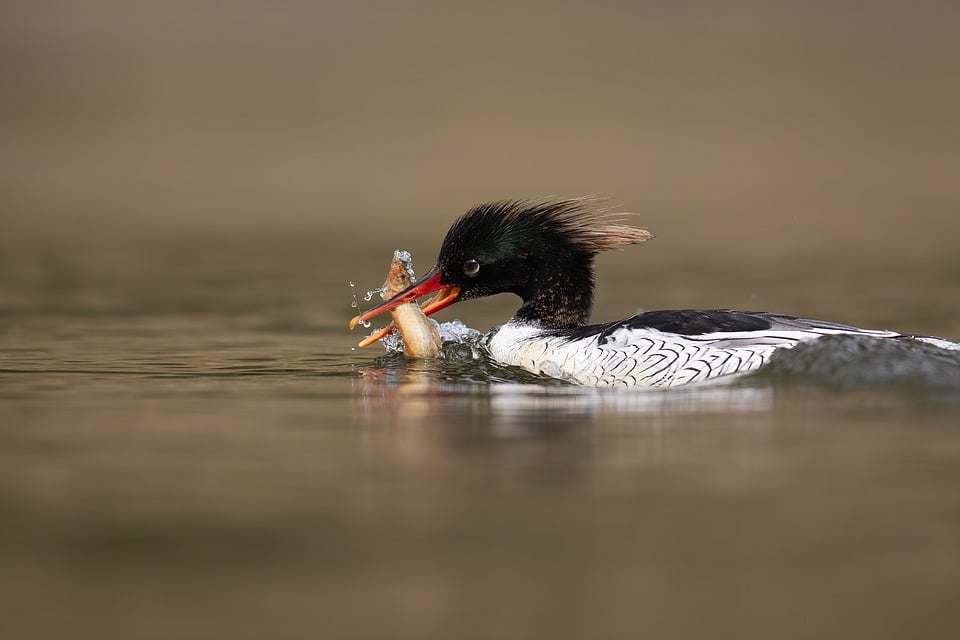
The existence of apex predators in water bodies exemplifies the sheer thrill of fishing as a sport. Species like the northern pike, tiger muskellunge, marlin, and more recently, the colossal Mekong giant catfish captivate anglers worldwide. The chance to catch these titans isn’t just about filling a cooler; it’s an adrenaline-driven adventure—a blend of strategy, skill, and respect for the environment.
Understanding Predator Behavior
To effectively target large predators, anglers must first grasp their behavior and habitats. Predators are opportunistic feeders, often employing patience as they hunt for prey. Understanding their patterns can significantly increase an angler’s chances of making a catch.
Feeding Patterns
Most apex predators exhibit certain feeding patterns dictated by time of day and environmental conditions. Early morning and late evening are prime times for fishing, as many predators become more active during these hours. Additionally, changing weather patterns—such as rising barometric pressure—can influence predation.
Habitat Preference
Different predator species thrive in varied habitats. While some prefer the deep water of lakes, others may be found in weedy shallows or near structures like fallen trees or rocks. Knowledge of the habitat and the associated prey species is crucial for a successful outing.
Techniques and Tackle for Large Predator Fishing
Once an angler understands the behavior and habitats of predator fish, selecting the right techniques and tackle becomes pivotal. Here’s a breakdown of some popular methods:
1. Trolling
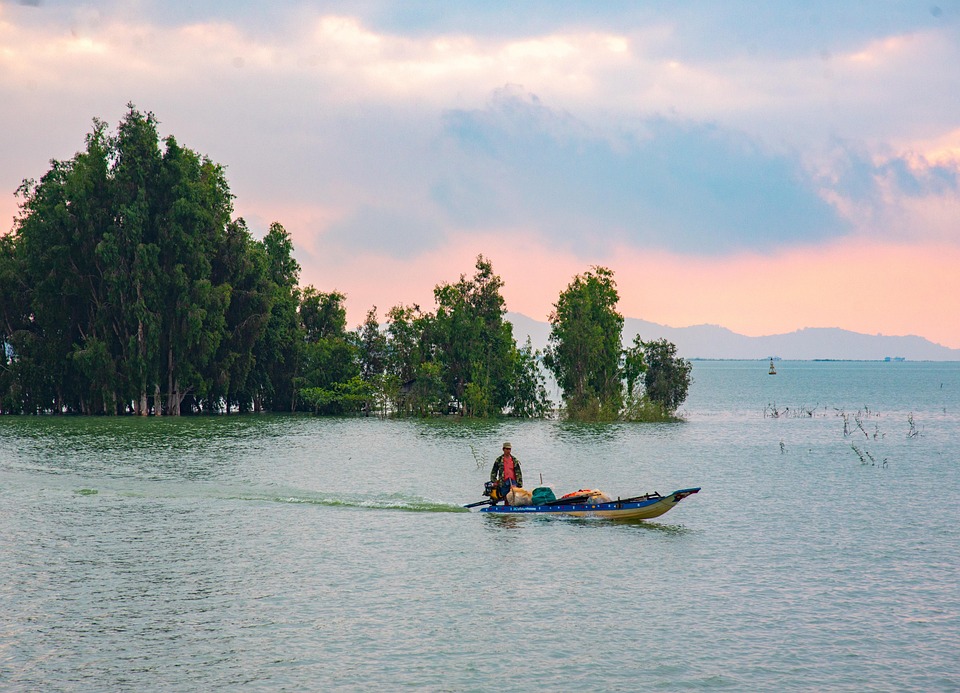
Trolling involves dragging lures or bait behind a moving boat. This method is particularly effective for targeting species like pike and muskie, as it covers a wide area and mimics natural prey movement. Anglers often use large, flashy lures to attract these predators from considerable distances.
2. Casting
For those who prefer a more hands-on approach, casting can be incredibly rewarding. This method requires precision, as the aim is to present the lure as naturally as possible in locations where predators are likely to ambush their prey.
3. Fly Fishing
While fly fishing is typically associated with freshwater trout, there is a growing subculture focusing on large predators like bass and pike. Specialized flies that mimic baitfish can lead to exhilarating surface strikes.
4. Ice Fishing
In the colder months, ice fishing becomes a popular option for targeting species like pike and walleye. Drilling holes in the ice and using jigs or live bait can yield impressive results, allowing anglers to experience the thrill of the chase even in frigid temperatures.
The Environmental Impact of Large Predator Fishing
As thrilling as large predator fishing may be, it also raises important questions about sustainable practices and conservation efforts. The demand for these species, often sought after for their size and challenge, can lead to overfishing and ecological imbalance if not managed properly.
Sustainable Practices
- Catch and Release: Emphasizing catch and release can significantly help preserve fish populations while enabling anglers to enjoy the sport.
- Use of Barbless Hooks: These hooks minimize injury to the fish and allow for easier release.
- Adhering to Regulations: Following local fishing guidelines regarding size limits and seasonal restrictions is crucial in maintaining balanced ecosystems.
Conservation Initiatives
Organizations worldwide are establishing conservation programs aimed at preserving apex predators and their habitats. These initiatives provide resources for responsible fishing practices and raise awareness about the importance of maintaining healthy aquatic ecosystems.
Connecting with a Community
One of the most rewarding aspects of large predator fishing is the sense of community it fosters. Anglers often share their experiences, tips, and even their catches on social media platforms and dedicated fishing forums. This connection enhances both learning and camaraderie while nourishing a shared passion for the sport.
Gear Up for Your Adventure
For those about to embark on their large predator fishing journey, investing in the right gear is essential. Here’s a list of some crucial equipment considerations:
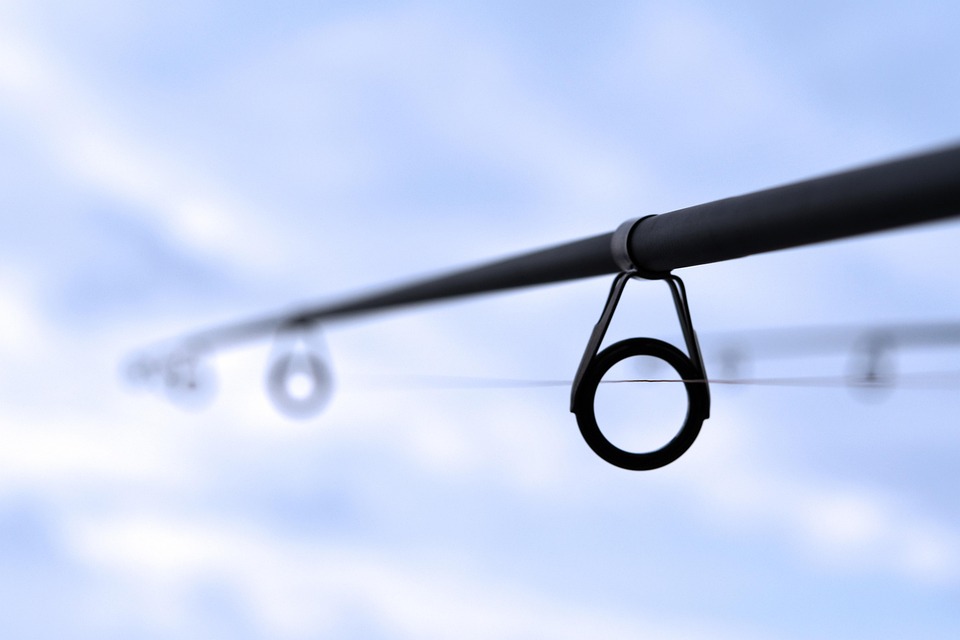
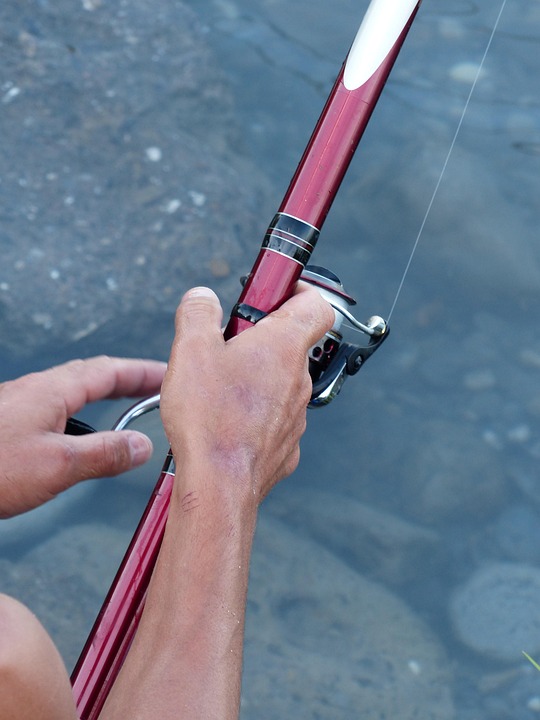
- Rods and Reels: Opt for durable rods and robust reels capable of handling the strain of large fish.
- Line: Use heavy-duty fishing lines, especially braided options, to withstand the sudden jerks and pulls from a large catch.
- Lures: Invest in a variety of lures—topwater, swimbaits, and spoons—to target different species and conditions.
- Electronics: Consider using fish finders to locate predators beneath the surface, particularly in larger bodies of water.
The Personal Journey in Pursuit of Giants
Every angler has a unique story. Some reminisce about their first catch, while others recount the one that got away—a tale of a monstrous fish that eluded their grasp, igniting the fire to chase giants again. For many, this sport transcends mere pastime; it’s a journey filled with lessons, memories, and unyielding respect for the grand tapestry of nature.
Conclusion
The thrill of large predator fishing lies not just in the inevitable battle between angler and fish but in the unparalleled connection to nature experienced during each expedition. Understanding fish behavior, utilizing the right tactics, and advocating for sustainable fishing practices enrich the pursuit, ensuring that future generations can also relish this exhilarating challenge. Whether you’re a seasoned angler or a novice just starting, chasing giants offers a blend of excitement, respect, and community that is truly unmatched.
FAQs
What’s the best time of year for large predator fishing?
Spring and early summer are generally the most productive times for large predator fishing, as fish become more active post-winter. However, different species may have specific peak seasons.
What safety precautions should I take?
Always wear a life jacket, check local weather conditions, and ensure your tackle is in good condition. If fishing in deeper waters, be aware of other boaters and use navigational aids.
Is fly fishing effective for large predators?
Absolutely! Many anglers have success with fly fishing for species like pike, bass, and even some saltwater species. It often adds another level of challenge to the sport.
Are there any regulations I should be aware of?
Yes, familiarize yourself with local fishing regulations regarding size limits, season openings, and closed areas, as these laws are in place to protect fish populations and habitats.
How can I contribute to conservation efforts?
Practicing catch and release, participating in local clean-up events, and supporting organizations focused on aquatic conservation can all make a significant difference in preserving these ecosystems.
- advanced predator fishing
- aggressive fish fishing
- barracuda fishing
- barracuda lure fishing
- freshwater predator fishing
- large predator fishing
- muskie fishing
- muskie lure fishing
- pike fishing
- pike lure fishing
- predator angling
- predator fishing
- predator fishing baits
- predator fishing destinations
- predator fishing for beginners
- predator fishing gear
- predator fishing guides
- predator fishing lures
- predator fishing reels
- predator fishing rigs
- predator fishing rods
- predator fishing seasons
- predator fishing spots
- predator fishing tactics
- predator fishing techniques
- predator fishing tips
- predatory fish fishing
- saltwater predator fishing
- zander fishing
- zander jigging











Leave a comment